
Overview
Seborrhoeic Dermatitis is a common chronic inflammatory skin condition characterized by red, flaky, and itchy patches, primarily affecting areas rich in oil-producing glands such as the scalp, face, and upper chest. It can cause discomfort and cosmetic concerns. In Korea, dermatologists use a combination of topical treatments and advanced therapies to effectively manage this condition.
What is Seborrhoeic Dermatitis?
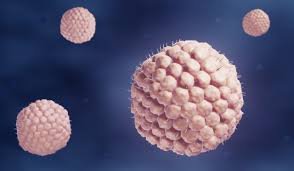
Seborrhoeic Dermatitis is caused by an inflammatory reaction to Malassezia yeast that naturally lives on the skin, combined with increased oil production and an abnormal immune response. It is not contagious but tends to be recurrent and can vary in severity.
Symptoms
- Red, inflamed skin with greasy or waxy scales
- Flaking or dandruff, especially on the scalp
- Itching or burning sensation
- Crusty patches around the nose, eyebrows, ears, and chest
- Temporary hair thinning in severe scalp cases
Causes
- Overgrowth of Malassezia yeast
- Excessive sebum (oil) production
- Genetic predisposition
- Stress and fatigue
- Cold, dry weather worsening symptoms
- Certain neurological or immune conditions (e.g., Parkinson’s disease, HIV)
Risk Factors
- Age (common in infants as cradle cap and adults aged 30–60)
- Oily skin type
- Immunosuppression or HIV infection
- Neurological disorders
- Use of harsh soaps or detergents
- Stress or hormonal changes
Complications
- Secondary bacterial or fungal infections due to scratching
- Persistent itching and discomfort affecting quality of life
- Social and psychological impact from visible skin lesions
Prevention
- Regular gentle cleansing with medicated shampoos or soaps
- Avoiding harsh skin products and excessive washing
- Managing stress levels
- Maintaining a healthy lifestyle and diet
- Avoiding known triggers like cold weather or irritants
Treatment Options in Korea
South Korea offers comprehensive dermatological care with access to effective topical and systemic treatments for seborrhoeic dermatitis.
- Diagnosis
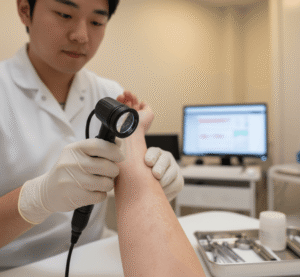
- Clinical examination by dermatologists
- Skin scrapings or cultures in unclear cases
- Assessment of underlying conditions (e.g., immune status)
- Topical Treatments
- Antifungal shampoos containing ketoconazole or selenium sulfide
- Mild corticosteroid creams or lotions for inflammation
- Calcineurin inhibitors (e.g., tacrolimus) as steroid alternatives
- Emollients to soothe and moisturize skin
- Systemic Treatments
- Oral antifungal agents for severe or resistant cases
- Treatment of any associated infections or underlying conditions
- Adjunct Therapies
- Phototherapy for persistent or extensive disease
- Patient education on skincare routines