
Overview
Sarcoidosis is a rare inflammatory disease that affects multiple organs, most commonly the lungs and lymph nodes. It causes the formation of tiny clusters of inflammatory cells known as granulomas, which can interfere with normal organ function. While the exact cause remains unknown, it is believed to involve an abnormal immune response. In South Korea, early diagnosis and treatment are accessible through advanced imaging and specialist care.
What is Sarcoidosis?
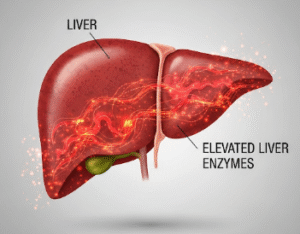
Sarcoidosis is a multisystem inflammatory disease characterized by the growth of granulomas—small nodules of immune cells—in organs. The lungs and lymphatic system are most commonly affected, but it can also impact the eyes, skin, liver, heart, and brain.
The disease may resolve on its own or become chronic, requiring ongoing treatment. In many cases, sarcoidosis is discovered incidentally through imaging for unrelated issues.
Symptoms
Symptoms vary depending on which organs are affected, but may include:
General Symptoms:
- Fatigue
- Fever
- Weight loss
- Night sweats
Lung Symptoms (most common):
- Persistent dry cough
- Shortness of breath
- Chest pain
Skin Symptoms:
- Red or purple bumps (especially on the shins)
- Skin lesions or nodules
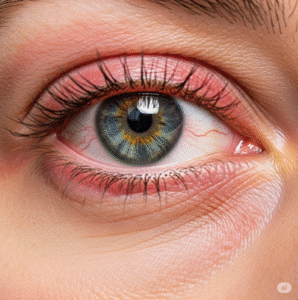
Eye Symptoms:
- Redness
- Blurred vision
- Eye pain or sensitivity to light
Other possible symptoms:
- Swollen lymph nodes
- Joint pain
- Heart rhythm abnormalities
- Neurological symptoms (in rare cases)
Causes
The exact cause of sarcoidosis is unknown, but it is thought to involve an overactive immune system reacting to an unknown trigger. Possible factors include:
- Infections (viral or bacterial, such as mycobacteria)
- Environmental exposures (e.g., mold, chemicals, dust)
- Genetic predisposition (family history of sarcoidosis)
The condition is not contagious.
Risk Factors
- Age: Most common between ages 20 and 40
- Sex: Slightly more common in women
- Genetics: Family history increases risk
- Ethnicity: Rare in East Asia, but occasionally reported in Korean populations
- Occupational exposure: Healthcare workers, firefighters, and agricultural workers may have slightly elevated risks due to dust or chemical exposure
Complications
- Lung scarring (pulmonary fibrosis)
- Persistent lung damage or reduced lung function
- Eye damage or blindness
- Heart complications (arrhythmias, heart failure)
- Nervous system involvement (neurosarcoidosis)
- Chronic fatigue and psychological effects
Prevention
There is currently no known way to prevent sarcoidosis. However, certain practices may help manage or reduce risk:
- Avoiding environmental and occupational irritants
- Early medical consultation if symptoms arise
- Routine health checks for individuals with family history
- Smoking cessation to protect lung health
Korea’s healthcare system supports early detection with accessible diagnostic tools and respiratory specialists.
Treatment Options in Korea
Treatment in Korea focuses on monitoring and managing inflammation. Many patients with mild sarcoidosis do not need treatment and experience spontaneous remission.
1. Monitoring (Watchful Waiting)
- Regular check-ups and imaging if symptoms are mild
- Lung function tests and blood markers for inflammation
- No medication if there is no organ dysfunction
2. Corticosteroids
- Prednisolone is the most common first-line treatment
- Reduces inflammation and granuloma formation
- Used for lung involvement, eye issues, and skin lesions
- Monitored closely for side effects like weight gain, blood pressure, and diabetes
3. Immunosuppressive Drugs
If corticosteroids are ineffective or cause side effects, doctors may prescribe:
- Methotrexate
- Azathioprine
- Hydroxychloroquine (for skin or joint symptoms)
These are available at most large hospitals and university medical centers in Korea.
4. Biologics and Advanced Therapies
For severe or resistant cases:
- Anti-TNF agents like infliximab may be considered
- Available in tertiary hospitals with rheumatology or immunology departments
5. Multidisciplinary Care
Sarcoidosis patients in Korea may be managed by teams including pulmonologists, dermatologists, ophthalmologists, and rheumatologists. Hospitals like Severance Hospital, Samsung Medical Center, and Asan Medical Center offer comprehensive care.
6. Pulmonary Rehabilitation and Lifestyle
- Breathing exercises and physical therapy for lung function
- Nutritional support and psychological counseling when needed