Overview
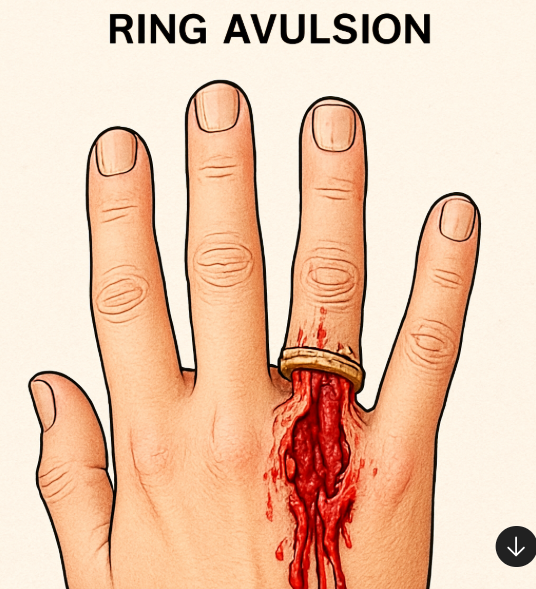
Ring avulsion is a traumatic injury where a finger is severely damaged or partially/completely amputated due to a ring catching on an object and pulling forcefully. This injury can cause damage to skin, soft tissue, blood vessels, nerves, tendons, and even bone. In Korea, microsurgical and reconstructive hand surgery specialists provide advanced treatment to preserve function and appearance.
What is Ring Avulsion?
Ring avulsion occurs when a ring on the finger is forcibly pulled, causing severe injury ranging from skin laceration to complete amputation of the finger. The severity depends on the force and extent of tissue damage. It is considered an emergency requiring prompt medical attention.
Symptoms
- Severe pain and swelling in the affected finger
- Bleeding and tissue damage around the ring area
- Loss of finger mobility or sensation
- Visible deformity or partial/complete amputation
- Pale or bluish discoloration due to impaired blood flow
Causes
- Ring caught and pulled forcibly on objects such as machinery, doors, or sports equipment
- Sudden, strong traction force on the finger
Risk Factors
- Wearing rings during physical labor or sports
- Activities involving machinery or moving parts
- Lack of awareness about ring hazards
Complications
- Severe tissue damage requiring amputation
- Infection if wounds are not properly treated
- Loss of finger function or sensation
- Scarring and deformity
Prevention
- Remove rings before engaging in manual labor or risky activities
- Use protective gloves or safety measures in hazardous environments
- Awareness and education about the risks of wearing rings during certain activities
Treatment Options in Korea
Korean hand surgery and trauma centers offer specialized care for ring avulsion injuries:
- Emergency Care: Immediate wound cleaning, pain management, and stabilization of the injured finger.
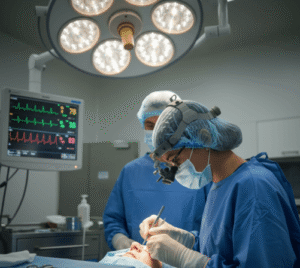
- Surgical Intervention: Microsurgical repair of blood vessels, nerves, tendons, and bones to restore circulation and function.
- Replantation Surgery: In cases of amputation, reattachment of the finger using advanced microsurgery.
- Rehabilitation: Physical and occupational therapy to restore mobility and strength.
- Infection Prevention: Antibiotics and wound care to avoid complications.