Overview
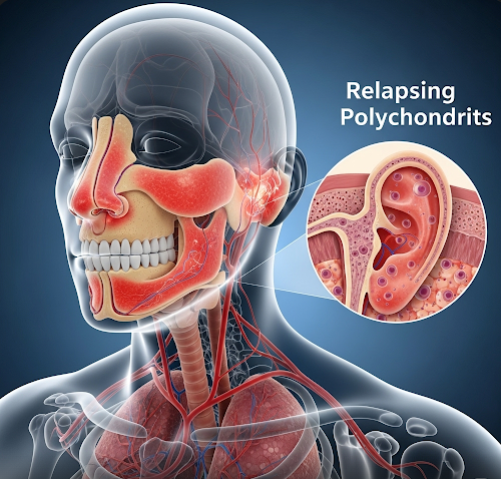
Relapsing polychondritis (RP) is a rare, chronic autoimmune disorder characterized by recurrent inflammation and progressive deterioration of cartilage throughout the body, including the ears, nose, joints, and respiratory tract. In Korea, rheumatologists and immunologists provide diagnosis and multidisciplinary treatment to manage symptoms and prevent complications.
What is Relapsing Polychondritis?
RP is an inflammatory condition targeting cartilage, leading to swelling, pain, and destruction of cartilage tissue. The disease course is unpredictable, with periods of flare-ups and remission.
Symptoms
- Painful, swollen, and red ears (auricular chondritis)
- Nasal cartilage inflammation causing a “saddle nose” deformity
- Joint pain and swelling (arthritis)
- Respiratory symptoms including cough, wheezing, and breathing difficulty due to airway cartilage involvement
- Eye inflammation (episcleritis, scleritis)
- Hearing loss or dizziness in some cases
Causes
- Autoimmune response against cartilage components
- Exact cause unknown; likely a combination of genetic and environmental factors
Risk Factors
- Middle-aged adults, though it can affect any age
- Family history of autoimmune diseases
- Other autoimmune conditions
Complications
- Airway collapse due to tracheal cartilage damage
- Hearing loss
- Cardiovascular complications such as aortic aneurysm
- Chronic pain and disability
Prevention
- No known prevention due to autoimmune nature
- Early diagnosis and treatment to minimize damage
Treatment Options in Korea
Diagnosis
Diagnosis involves clinical evaluation, imaging (CT or MRI), biopsy of affected cartilage, and blood tests to rule out other diseases.
Medical Treatments
- Corticosteroids to reduce inflammation
- Immunosuppressive drugs such as methotrexate or azathioprine
- Biologic agents for refractory cases
Surgical or Advanced Therapies
- Surgery may be needed for airway stabilization or reconstructive procedures
- Tracheal stenting in severe airway involvement
Rehabilitation and Support
- Physical therapy for joint mobility
- Regular monitoring for complications
- Psychological support for chronic illness management