Overview
Pars planitis is a rare, idiopathic form of intermediate uveitis, which refers to inflammation in the middle part of the eye. It specifically affects the pars plana—a part of the ciliary body in the eye. Pars planitis most commonly occurs in children, adolescents, and young adults, and often presents with blurry vision, floaters, or even vision loss if left untreated.
Korea’s advanced ophthalmic care system provides world-class diagnosis and treatment options, including immunomodulatory therapies, for individuals with pars planitis.
What is Pars Planitis?
Pars planitis is a subtype of intermediate uveitis, an inflammation of the uveal tract that affects the vitreous, ciliary body (particularly the pars plana), and peripheral retina. The condition is considered idiopathic when no underlying systemic disease (like sarcoidosis or multiple sclerosis) is identified.
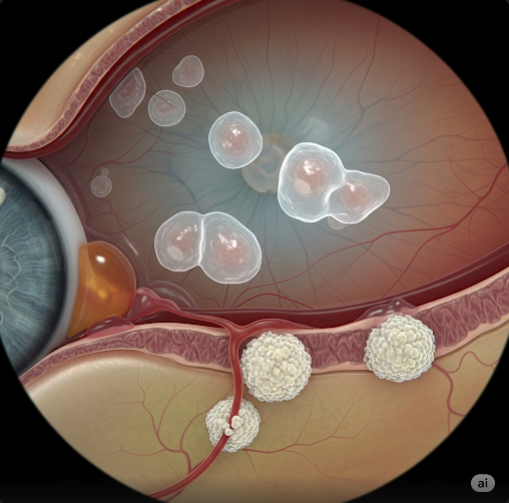
It is typically bilateral (affects both eyes) and has a chronic, relapsing course. White inflammatory deposits, often referred to as “snowballs” or “snowbanking,” are common signs observed during an eye exam.
Symptoms
Common symptoms of pars planitis include:
- Blurred vision
- Floaters (dark spots or shapes in vision)
- Mild eye discomfort or pain
- Decreased visual acuity
- Light sensitivity (photophobia)
- Redness (less common)
In many cases, symptoms are mild and progress gradually, which can delay diagnosis.
Causes
Pars planitis is often labeled as idiopathic, meaning the specific cause is unknown. However, it is believed to have an autoimmune or immune-mediated origin. Some suspected contributors include:
- Abnormal immune response
- Genetic predisposition
- Viral infections (as potential triggers)
- Association with systemic diseases (in a minority of cases)
Risk Factors
While pars planitis can occur in anyone, certain groups are more commonly affected:
- Age: Commonly seen in children and young adults (ages 5–30)
- Gender: Slightly more prevalent in males
- Autoimmune history: May co-occur with autoimmune disorders
- Family history: Genetic susceptibility may play a role
- Geographic factors: More frequently reported in certain populations
Complications
If not properly treated or monitored, pars planitis can lead to serious eye-related complications:
- Cystoid macular edema (CME) – swelling of the macula, leading to vision loss
- Cataracts – clouding of the eye lens
- Glaucoma – increased intraocular pressure damaging the optic nerve
- Retinal detachment
- Permanent vision loss in severe cases
Early intervention helps reduce the risk of long-term vision damage.
Prevention
Because the exact cause is unknown, there is no guaranteed way to prevent pars planitis. However, some actions may help reduce risk and severity:
- Routine eye exams, especially for those with autoimmune disorders
- Early treatment of uveitis symptoms
- Avoiding known immune system triggers, such as infections or allergens
- Compliance with follow-up care to prevent complications
Timely diagnosis is key to preserving vision.
Treatment Options in Korea
South Korea’s ophthalmology clinics and hospitals are well-equipped with cutting-edge diagnostic and treatment options for managing pars planitis.
1. Diagnosis
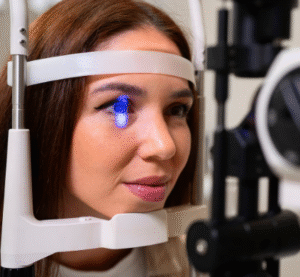
- Slit-lamp examination to detect anterior eye inflammation
- Fundus photography to assess the retina
- Optical coherence tomography (OCT) to detect macular edema
- Fluorescein angiography to monitor retinal blood vessels
- Blood tests and imaging to rule out systemic diseases
2. Medical Management
- Topical corticosteroids (eye drops) to reduce inflammation
- Oral corticosteroids for more severe or persistent inflammation
- Immunosuppressive drugs (e.g., methotrexate, azathioprine) if long-term control is needed
- Biologic therapies for refractory cases
3. Surgical Interventions
- Vitrectomy may be required in cases of persistent vitreous opacities or complications
- Cataract or glaucoma surgery if secondary conditions arise
4. Advanced Treatment Centers
Top Korean hospitals like Severance Eye Hospital, Samsung Medical Center, and Seoul National University Bundang Hospital provide expert ophthalmologic care, combining immunology, diagnostics, and long-term monitoring.
5. Vision Support
- Low vision aids
- Vision therapy or rehabilitation
- Psychological counseling for young patients coping with chronic conditions