Overview
Osteomyelitis is an infection of the bone caused by bacteria or, less commonly, fungi. It can affect any bone in the body and often results in severe inflammation, pain, and sometimes permanent bone damage if not promptly treated. In Korea, modern diagnostic methods and advanced antibiotic and surgical treatments are widely available to effectively manage osteomyelitis and reduce complications.
What is Osteomyelitis?
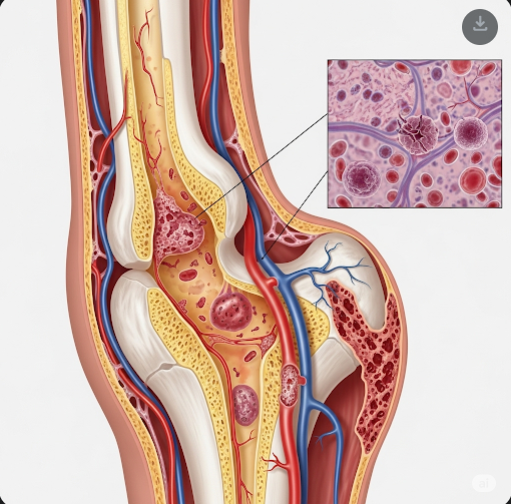
Osteomyelitis is a serious bone infection that occurs when microorganisms invade bone tissue, causing inflammation and destruction of bone. It may develop after an injury, surgery, or spread through the bloodstream from other infection sites. The infection can be acute or chronic, with chronic cases posing a greater treatment challenge.
Symptoms
Symptoms of osteomyelitis include:
- Localized bone pain and tenderness
- Swelling, redness, and warmth over the affected area
- Fever and chills
- Fatigue and malaise
- Limited movement of nearby joints
- Drainage of pus if an abscess forms and breaks through the skin
Causes
Osteomyelitis is most commonly caused by bacterial infection, especially Staphylococcus aureus. Other causes include:
- Direct contamination from open fractures or surgery
- Spread of infection through the bloodstream (hematogenous osteomyelitis)
- Infection from nearby soft tissue infections or ulcers
- Infections in people with weakened immune systems
Risk Factors
Risk factors that increase susceptibility to osteomyelitis include:
- Diabetes mellitus and peripheral vascular disease
- Recent bone injury or surgery
- Presence of prosthetic joints or implants
- Chronic skin infections or ulcers
- Immunosuppressive conditions or therapies
- Intravenous drug use
Complications
If untreated, osteomyelitis can lead to:
- Chronic bone infection and abscess formation
- Bone necrosis (death of bone tissue)
- Spread of infection to adjacent joints or soft tissues
- Sepsis and systemic infection
- Growth disturbances in children if growth plates are affected
Prevention
Prevention strategies include:
- Prompt treatment of wounds and infections
- Maintaining good hygiene and wound care after surgery or injury
- Controlling chronic diseases such as diabetes
- Using prophylactic antibiotics when appropriate in surgeries
- Avoiding intravenous drug use
Treatment Options in Korea
Treatment of osteomyelitis in Korea involves a multidisciplinary approach:
- Antibiotic therapy tailored to the causative organism, often prolonged for several weeks
- Surgical debridement to remove infected and dead bone tissue
- Use of advanced imaging (MRI, CT) to assess infection extent and guide treatment
- Hyperbaric oxygen therapy in some cases to enhance healing
- Rehabilitation to restore function and mobility post-treatment
Korean medical centers are equipped with cutting-edge diagnostic tools and experienced infectious disease and orthopedic specialists to provide effective and comprehensive care for osteomyelitis patients.