Overview
Lichen sclerosus is a chronic inflammatory skin condition that primarily affects the genital and anal areas but can also occur on other parts of the body. It causes thin, white, patchy skin that can lead to itching, discomfort, and scarring. Early diagnosis and treatment are important to prevent complications.
What Is Lichen Sclerosus?
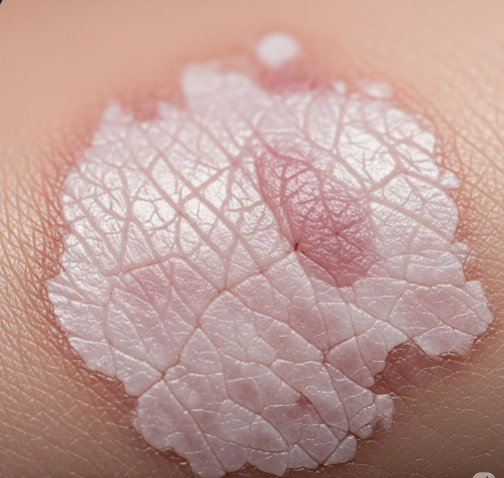
Lichen sclerosus is a long-term skin disorder characterized by white, atrophic patches often seen in the genital region. It is believed to be an autoimmune condition where the body’s immune system attacks healthy skin cells, leading to inflammation and skin changes.
Symptoms
- White, shiny, smooth patches of skin
- Severe itching and discomfort, especially in the genital area
- Skin thinning and fragility, leading to easy bruising or tearing
- Painful intercourse or difficulty urinating in genital cases
- Scarring and shrinkage of affected areas in chronic cases
- Possible bleeding or blistering
Causes
- Exact cause is unknown
- Considered an autoimmune disorder
- Possible genetic predisposition
- Hormonal factors and skin trauma may contribute
Risk Factors
- Women, especially postmenopausal
- History of autoimmune diseases such as thyroid disorders or vitiligo
- Family history of lichen sclerosus or other autoimmune conditions
- Chronic irritation or trauma to the skin
Complications
- Scarring causing deformity of genital structures
- Increased risk of skin cancer in affected areas (though rare)
- Sexual dysfunction due to pain and scarring
- Urinary problems if urethra is involved
Prevention
- Early diagnosis and consistent treatment to prevent scarring
- Avoiding irritants such as harsh soaps or tight clothing
- Maintaining good hygiene without excessive washing
- Regular monitoring by healthcare professionals for any changes
Treatment Options in Korea
Korea offers effective management of lichen sclerosus with:
- Topical Corticosteroids: High-potency steroids to reduce inflammation and itching.
- Calcineurin Inhibitors: Alternatives for long-term management in sensitive areas.
- Moisturizers and Barrier Creams: To protect fragile skin and reduce irritation.
- Phototherapy: For extensive skin involvement in some cases.
- Regular Follow-up: Monitoring for complications and skin cancer screening.
- Complementary Medicine: Herbal treatments and acupuncture offered in some clinics to support symptom relief.
Korean dermatology specialists provide personalized care plans to control symptoms, prevent progression, and maintain quality of life.