Overview
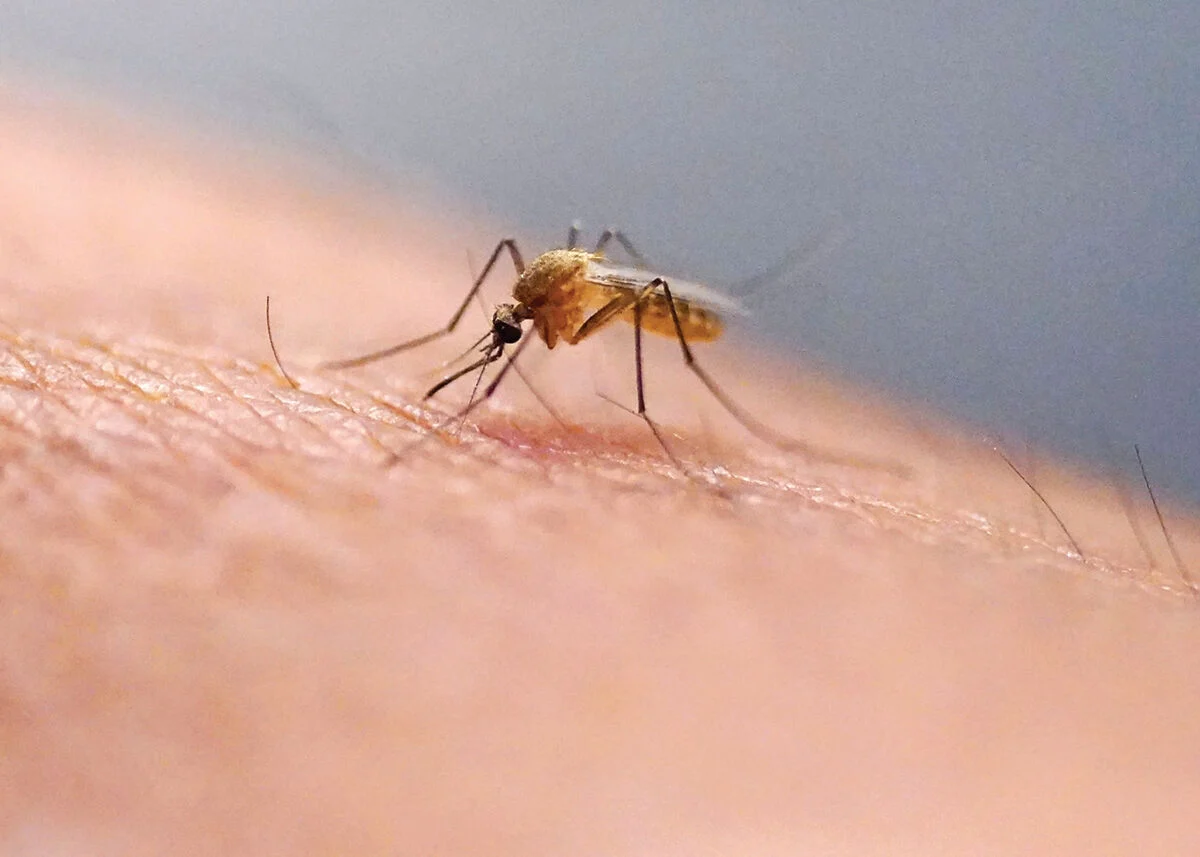
Jamestown Canyon Virus (JCV) is a rare mosquito-borne virus belonging to the California serogroup of viruses. It can cause mild to severe illness in humans, ranging from flu-like symptoms to encephalitis (brain inflammation). While cases are uncommon in South Korea, global travel and climate changes have increased the importance of awareness, prevention, and prompt medical care.
What is Jamestown Canyon Virus?
JCV is transmitted primarily through the bite of infected mosquitoes. Once in the human body, it can replicate and occasionally invade the central nervous system, leading to neurological symptoms. Most infections are asymptomatic or mild, but severe cases may require hospitalization.
Symptoms
- Fever and chills
- Headache
- Muscle aches and fatigue
- Nausea and vomiting
- Rash in some cases
- Neurological involvement (rare):
- Stiff neck
- Confusion or disorientation
- Seizures
- Meningitis or encephalitis
Causes
- Bite from an infected mosquito (usually Aedes or Culex species)
- Contact with environments where mosquitoes breed, such as stagnant water or marshes
- Rarely, possible transmission through blood transfusion (extremely rare and not well-documented)
Risk Factors
- Living or traveling in areas with high mosquito populations
- Spending time outdoors during mosquito peak activity (dusk and dawn)
- Lack of mosquito protection (repellents, nets, protective clothing)
- Immunocompromised individuals may have higher risk of severe disease
Complications
- Encephalitis or meningitis
- Neurological deficits in severe cases
- Prolonged fatigue or weakness after infection
- Rarely, hospitalization or intensive care for severe neurological involvement
Prevention
- Use mosquito repellents containing DEET, picaridin, or IR3535
- Wear long-sleeved clothing and pants during peak mosquito hours
- Remove standing water around homes to reduce mosquito breeding
- Ensure window and door screens are intact
- Travel advisories and vaccination (if available in future) for high-risk regions
Treatment Options in Korea
- Diagnosis
- Blood tests to detect antibodies (IgM, IgG) against JCV
- PCR testing for viral RNA in specialized laboratories
- Neurological imaging and lumbar puncture if CNS involvement is suspected
- Supportive Care
- There is no specific antiviral treatment for JCV
- Hospitalization for severe cases with intravenous fluids and supportive care
- Management of fever, pain, and neurological symptoms
- Neurological Support
- Monitoring in neurology or infectious disease units for encephalitis or meningitis
- Physical therapy and rehabilitation if neurological deficits occur
- Public Health Measures
- South Korea has mosquito control programs and public awareness campaigns to prevent mosquito-borne infections
- Travelers returning from areas with JCV are advised to monitor symptoms and seek medical care promptly