Overview
An infected pimple is a common skin condition where a clogged pore or hair follicle becomes inflamed and infected by bacteria, leading to redness, swelling, pain, and sometimes pus formation. Pimples are a hallmark of acne vulgaris but can become secondarily infected if bacteria such as Staphylococcus aureus invade the lesion. In Korea, dermatologists employ a combination of topical and systemic treatments to effectively manage infected pimples, reducing discomfort and preventing scarring.
What is an Infected Pimple?
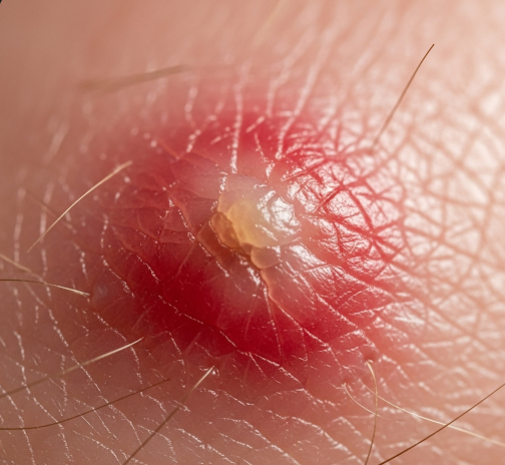
A pimple develops when pores become blocked with excess oil, dead skin cells, and bacteria, causing inflammation. When this inflammation worsens due to bacterial infection, the lesion can become an infected pimple, characterized by increased pain, swelling, and pus accumulation. This can range from mild papules to painful nodules or cysts.
Symptoms
- Red, swollen bump on the skin
- Pain or tenderness at the site
- Presence of pus or yellowish discharge
- Warmth over the affected area
- Possible formation of a whitehead or pustule
- Surrounding skin may be red and inflamed
Causes
- Overproduction of sebum (skin oil)
- Accumulation of dead skin cells blocking hair follicles
- Colonization by Cutibacterium acnes (formerly Propionibacterium acnes) and other bacteria
- Secondary infection by Staphylococcus aureus or other skin flora due to scratching or manipulation
- Hormonal changes, stress, or certain medications
Risk Factors
- Teenagers and young adults with acne-prone skin
- Poor facial hygiene or excessive touching of the face
- Use of comedogenic cosmetics or skin products
- Underlying skin conditions such as eczema or rosacea
- Immunocompromised individuals
Complications
- Spread of infection causing cellulitis
- Formation of abscesses requiring drainage
- Scarring and pigmentation changes after healing
- Recurrence of infected pimples if underlying acne is uncontrolled
Prevention
- Maintain good skin hygiene with gentle cleansing
- Avoid picking, squeezing, or scratching pimples
- Use non-comedogenic skin products
- Manage underlying acne with appropriate medical treatment
- Seek early treatment for inflamed or infected lesions
Treatment Options in Korea
Diagnosis
- Clinical evaluation based on lesion appearance and symptoms
- Swab and culture in cases of severe or recurrent infection
Medical Treatments
- Topical antibiotics such as clindamycin or erythromycin
- Oral antibiotics like doxycycline or minocycline for moderate to severe cases
- Topical retinoids to prevent pore blockage
- Anti-inflammatory agents to reduce swelling and pain
- Analgesics for pain relief
Surgical or Advanced Therapies
- Incision and drainage for large abscesses or cystic lesions
- Laser and light therapies to reduce acne severity and bacterial load
- Chemical peels and other dermatological procedures for scar prevention
Rehabilitation and Support
- Patient education on skin care routines and acne management
- Psychological support for patients affected by acne-related self-esteem issues
- Regular follow-up to monitor treatment response and adjust therapy
Top Hospitals or Clinics in Korea
- Seoul National University Hospital – Dermatology Department
- Samsung Medical Center – Acne and Skin Infection Clinic
- Asan Medical Center – Dermatology and Cosmetic Dermatology Unit
- Yonsei Severance Hospital – Dermatology and Skin Care Clinic