Overview
Infected eczema, also known as infected atopic dermatitis, occurs when the skin affected by eczema becomes colonized or invaded by bacteria, viruses, or fungi, leading to secondary infection. This complication can worsen the symptoms of eczema, causing increased redness, pain, oozing, and crusting. In Korea, dermatologists use advanced diagnostic tools and comprehensive treatment approaches to manage infected eczema effectively and prevent recurrence, improving patient quality of life.
What is Infected Eczema?
Eczema is a chronic inflammatory skin condition characterized by dry, itchy, and inflamed skin. When the skin barrier is compromised due to scratching or inflammation, it becomes vulnerable to infection by pathogens such as Staphylococcus aureus, herpes simplex virus, or fungi. Infected eczema refers to the presence of such secondary infections complicating the eczema lesions.
Symptoms
- Increased redness and swelling of eczema patches
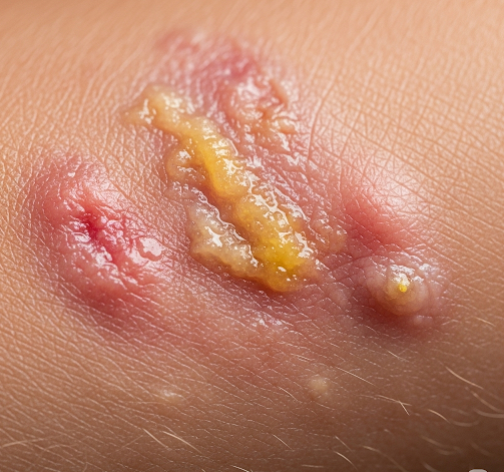
- Pus-filled blisters or yellow crusts over lesions
- Weeping or oozing skin
- Increased itching and pain
- Fever or malaise in severe infections
- Rapid spreading of affected areas
- Formation of painful sores or ulcers
Causes
- Breaks in the skin barrier from eczema-associated dryness and scratching
- Colonization by bacteria such as Staphylococcus aureus, which commonly inhabit eczema skin
- Viral infections such as eczema herpeticum caused by herpes simplex virus
- Fungal infections in chronic cases or humid environments
Risk Factors
- Severe or poorly controlled eczema
- Frequent scratching or skin trauma
- Use of topical corticosteroids or immunosuppressants without proper monitoring
- Living in warm, humid climates that favor microbial growth
- Young children and infants with delicate skin barriers
Complications
- Spread of infection leading to cellulitis or abscess
- Systemic infection or sepsis in severe cases
- Post-inflammatory hyperpigmentation or scarring
- Increased eczema severity and chronicity
Prevention
- Proper eczema management to maintain skin hydration and reduce inflammation
- Avoiding triggers and minimizing scratching
- Regular use of moisturizers and barrier repair creams
- Prompt treatment of early signs of infection
- Maintaining good hygiene and avoiding exposure to infected individuals
Treatment Options in Korea
Diagnosis
- Clinical examination noting changes in eczema lesions suggestive of infection
- Skin swabs and cultures to identify bacterial, viral, or fungal pathogens
- Blood tests if systemic infection is suspected
Medical Treatments
- Topical or oral antibiotics targeting Staphylococcus aureus for bacterial infections
- Antiviral medications such as acyclovir for eczema herpeticum
- Antifungal treatments if fungal infection is present
- Continued use of emollients and gentle skin care products
- Careful use of topical steroids to control eczema inflammation without worsening infection
Surgical or Advanced Therapies
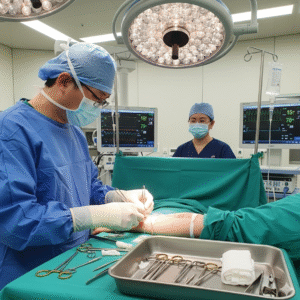
- Drainage of abscesses if formed
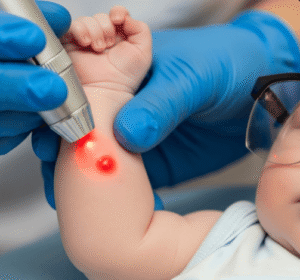
- Phototherapy for chronic eczema under specialist supervision
Rehabilitation and Support
- Patient education on skin care and infection prevention
- Monitoring for recurrence or complications
- Psychological support for patients dealing with chronic skin conditions
Top Hospitals or Clinics in Korea
- Seoul National University Hospital – Dermatology Department
- Samsung Medical Center – Skin and Allergy Clinic
- Asan Medical Center – Department of Dermatology
- Yonsei Severance Hospital – Dermatology and Immunology Clinic