Overview
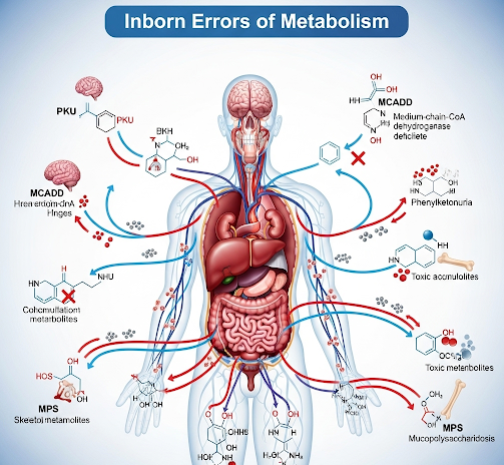
Inborn Errors of Metabolism (IEM) are a large group of rare genetic disorders caused by defects in specific enzymes or biochemical pathways involved in the body’s metabolism. These defects lead to the accumulation of toxic substances or the deficiency of critical compounds necessary for normal growth and development. IEMs often present early in life but can manifest at any age. In Korea, advanced genetic testing and metabolic clinics offer early diagnosis and specialized treatment to manage these conditions effectively.
What are Inborn Errors of Metabolism?
IEMs are inherited metabolic disorders caused by mutations in genes coding for enzymes that facilitate chemical reactions in the body. When these enzymes are deficient or malfunctioning, it disrupts normal metabolism, leading to harmful buildup of substances or lack of essential molecules. Over 500 different IEMs have been identified, ranging from amino acid, carbohydrate, lipid, to mitochondrial metabolism disorders.
Symptoms
- Poor feeding and vomiting in infants
- Failure to thrive and developmental delays
- Hypotonia (low muscle tone) and seizures
- Episodes of metabolic crisis with lethargy and coma
- Unusual odors in urine or body
- Organ enlargement (liver, spleen)
- Abnormal blood tests including metabolic acidosis, hypoglycemia, or elevated ammonia
Causes
- Genetic mutations inherited typically in an autosomal recessive manner
- Enzyme deficiencies affecting specific metabolic pathways
- Defects in mitochondrial function in some cases
Risk Factors
- Family history of metabolic disorders
- Consanguineous marriages increasing recessive gene inheritance
- Certain ethnic populations with higher prevalence of specific IEMs
Complications
- Neurological impairment or intellectual disability
- Organ damage including liver failure or cardiomyopathy
- Recurrent metabolic crises potentially life-threatening
- Growth retardation and failure to thrive
- Premature death if untreated
Prevention
- Newborn screening programs to detect common IEMs early
- Genetic counseling for families with known mutations
- Avoidance of triggers like fasting or certain medications in diagnosed cases
Treatment Options in Korea
Diagnosis
- Newborn metabolic screening using tandem mass spectrometry
- Genetic testing and enzyme assays
- Blood and urine metabolic profiling
- Imaging and neurological assessments
Medical Treatments
- Dietary management restricting specific substrates (e.g., phenylalanine in PKU)
- Supplementation with missing enzymes or cofactors (e.g., biotin, vitamin B12)
- Medications to manage symptoms and prevent complications
- Emergency management of metabolic crises
Surgical or Advanced Therapies
- Liver transplantation for some enzyme deficiencies
- Experimental gene therapies under research
Rehabilitation and Support
- Multidisciplinary care including metabolic specialists, nutritionists, and neurologists
- Developmental support and physical therapy
- Family education and psychological support
Top Hospitals or Clinics in Korea
- Seoul National University Hospital – Metabolic Disease Clinic
- Samsung Medical Center – Genetics and Metabolism Department
- Asan Medical Center – Pediatric Metabolic Disorders Unit
- Yonsei Severance Hospital – Genetics and Rare Diseases Clinic