Overview
Fructose intolerance is a metabolic disorder where the body cannot properly digest or absorb fructose, a sugar found in fruits, honey, and some vegetables. It includes two main types: Hereditary Fructose Intolerance (HFI) and Fructose Malabsorption (FM).
In Korea, awareness of fructose intolerance is increasing due to growing concerns over dietary health and gastrointestinal disorders. Pediatricians and gastroenterologists often diagnose children with HFI early to prevent severe liver and kidney complications, while FM is commonly managed in adults with dietary modifications.
What is Fructose Intolerance?
- Hereditary Fructose Intolerance (HFI): A rare genetic disorder caused by mutations in the ALDOB gene, leading to deficiency of aldolase B enzyme, which is critical for fructose metabolism in the liver.
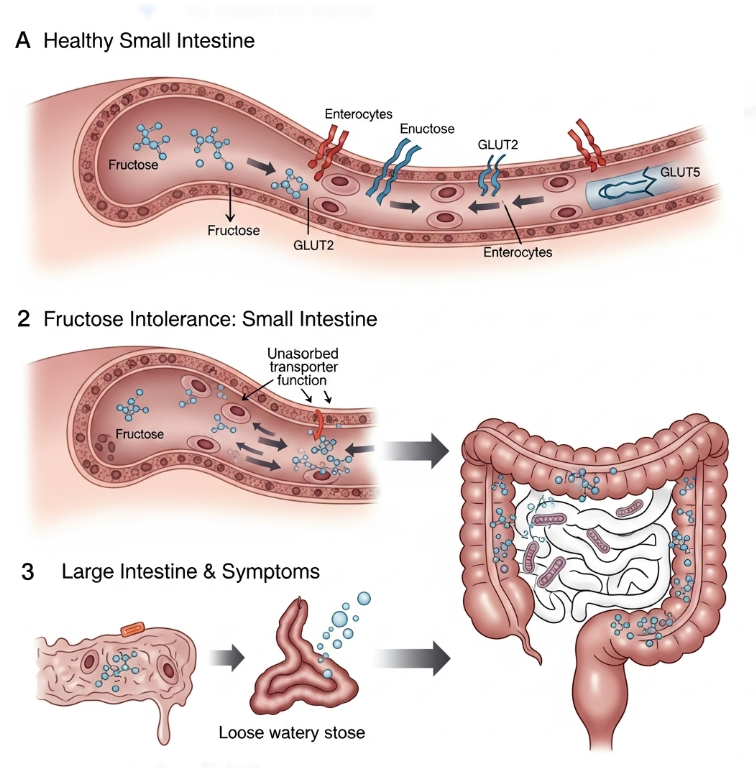
- Fructose Malabsorption (FM): Impaired absorption of fructose in the small intestine due to defective fructose transporters, causing gastrointestinal symptoms.
Both conditions result in the accumulation of fructose or its byproducts, leading to symptoms ranging from mild digestive discomfort to serious metabolic complications in HFI.
Symptoms
Hereditary Fructose Intolerance (HFI):
- Nausea and vomiting after fructose intake
- Abdominal pain and bloating
- Hypoglycemia (low blood sugar)
- Jaundice in severe cases
- Growth retardation if untreated
Fructose Malabsorption (FM):
- Bloating and abdominal cramps
- Gas and flatulence
- Diarrhea or constipation
- Nausea
- Irritable bowel syndrome-like symptoms
Causes
- HFI: Genetic mutations in the ALDOB gene (autosomal recessive inheritance)
- FM: Reduced activity of fructose transporters (GLUT5) in the small intestine
- Dietary intake of fructose, sucrose, and sorbitol can trigger symptoms in both types
Risk Factors
- Family history of hereditary fructose intolerance
- High dietary intake of fructose-rich foods
- Other gastrointestinal disorders (IBS, celiac disease) may worsen FM symptoms
- Genetic predisposition in certain populations
Complications
- HFI: Liver failure, kidney damage, hypoglycemia, and developmental delays if untreated
- FM: Chronic gastrointestinal discomfort, nutrient deficiencies, poor quality of life
- Risk of misdiagnosis leading to unnecessary medications or restrictive diets
Prevention
- Genetic counseling for families with HFI history
- Early dietary management to avoid fructose in HFI patients
- Monitoring dietary intake of fruits, sweeteners, and processed foods
- Patient education on reading food labels and avoiding hidden fructose sources
Treatment Options in Korea
Diagnosis
- Blood and urine tests to detect hypoglycemia and abnormal metabolites (HFI)
- Genetic testing for ALDOB mutations (HFI)
- Hydrogen breath test to diagnose Fructose Malabsorption
- Dietary challenge tests under supervision in specialized centers
Medical Treatments
- Strict fructose-free diet for HFI patients (avoid honey, fruits, sucrose, and high-fructose corn syrup)
- Symptomatic management for FM using:
- Dietary fructose restriction
- Probiotics to improve gut microbiome
- Fiber adjustments to reduce bloating and gas
Surgical or Advanced Therapies
- Surgery is not usually required, except in rare gastrointestinal complications (intestinal obstruction due to severe FM)
- Ongoing research in Korea explores enzyme replacement therapies and gut microbiome modulation for future treatments
Rehabilitation and Support
- Dietitian support for personalized meal planning
- Regular monitoring of growth and nutritional status in children
- Patient and family education for long-term dietary management
- Support groups for individuals with rare metabolic disorders