- Sports injuries (cycling, running, wrestling, judo, taekwondo)
- Road accidents (motorcycle, bicycle, skating accidents)
- Exercise equipment accidents (treadmill friction injuries are common in children in Korea)
- Household accidents (carpet burns, rope burns, playground slides)
- Industrial or workplace injuries involving machinery or conveyor belts
Risk Factors
- Children (treadmill and playground injuries are common in Korea)
- Athletes (high contact with surfaces and frequent falls)
- Motorcyclists and cyclists
- Outdoor workers (construction, delivery riders)
- Lack of protective gear (helmets, gloves, pads)
Complications
If not treated properly, friction burns may lead to:
- Infection (bacterial contamination from dirt and debris)
- Delayed wound healing
- Scarring and skin pigmentation changes
- Keloid or hypertrophic scars (common in Asian skin types, including Koreans)
- Joint stiffness if burns occur over elbows, knees, or hands
- Sepsis in severe untreated cases
Prevention
- Wearing protective clothing and gear (helmets, gloves, pads for athletes and riders)
- Using safety measures with treadmills and gym equipment
- Educating children about safe play around moving belts and rough surfaces
- Using skin barriers (long sleeves, tights, sports gear) during high-risk activities
- Practicing road and workplace safety
Treatment Options in Korea
Diagnosis
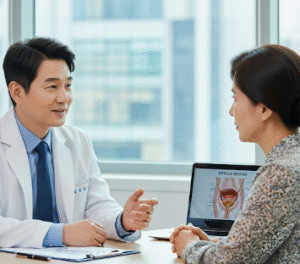
- Physical examination by a doctor to assess burn depth and area
- Wound culture (if infection suspected)
- Imaging (rare, unless underlying fractures or severe trauma present)
Medical Treatments
- Initial Care:
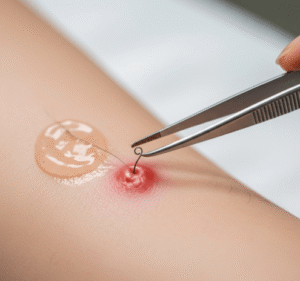
- Gentle cleaning with sterile saline
- Removal of dirt, gravel, or foreign bodies
- Application of antibiotic ointments (mupirocin, silver sulfadiazine)
- Pain Management: Analgesics (acetaminophen, ibuprofen)
- Dressings:
- Hydrocolloid dressings
- Silicone dressings
- Antimicrobial dressings (silver-coated) to prevent infection
- Oral/IV antibiotics if infection develops
Surgical or Advanced Therapies
In Korea, advanced burn care centers provide cutting-edge options:
- Debridement (surgical removal of dead tissue for faster healing)
- Skin grafting (for deep burns that cannot heal naturally)
- Laser therapy (fractional CO2 laser, pulsed dye laser) to minimize scars and pigmentation
- Stem cell and regenerative medicine (applied in advanced clinics for wound healing)
- Negative pressure wound therapy (NPWT) for large or infected wounds
Rehabilitation and Support
- Scar management with silicone gels, compression garments, and laser treatment
- Physical therapy to maintain joint mobility in burns over joints
- Psychological support for patients with visible scars or disfigurement
- Regular dermatology follow-ups to monitor healing and prevent long-term complications