Overview
Freckle disorders are a group of skin pigmentation conditions characterized by the appearance of small, flat, brownish spots, usually on sun-exposed areas of the body, such as the face, arms, and shoulders. While freckles are generally harmless and not considered a medical disease, they can be a cosmetic concern for many people.
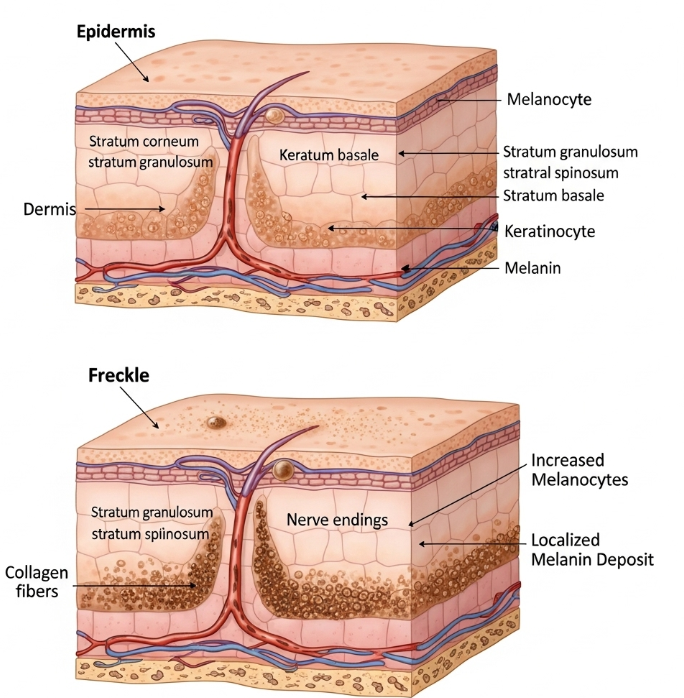
In dermatology, freckles fall under pigmentary skin disorders and are medically known as ephelides. They result from increased melanin production, not an increase in the number of melanocytes. Freckle disorders can include simple freckles, sun-induced freckles, and conditions that resemble freckles, such as lentigines, melasma, or café-au-lait spots.
In Korea, freckles are a common reason for dermatology visits due to the cultural emphasis on clear and even-toned skin. Korean dermatology clinics and cosmetic hospitals offer highly advanced treatments for freckles, including laser therapy, chemical peels, microneedling, and medical-grade skin care products. Many patients seek treatment not only for cosmetic reasons but also to differentiate freckles from more serious conditions like skin cancers.
What are Freckle Disorders?
Freckles are small, flat, circular spots of pigmentation that form due to overactive melanocytes producing excess melanin in response to sunlight. Freckle disorders include:
- Ephelides (true freckles): Light brown spots, most common in lighter skin tones, appearing in childhood and fading in winter.
- Lentigines (sun spots or age spots): Darker, more persistent, often associated with aging and chronic sun exposure.
- Freckle-like lesions in conditions such as Peutz-Jeghers Syndrome or Neurofibromatosis: Important to distinguish for medical reasons.
Symptoms
- Flat, round spots (1–5 mm in diameter)
- Tan, light brown, or dark brown in color
- More prominent after sun exposure
- Commonly appear on the face, neck, arms, and shoulders
- Usually asymptomatic (no itching or pain)
- May fade in winter and darken in summer
Causes
- Genetic predisposition (mutations in the MC1R gene are linked to freckle formation)
- Ultraviolet (UV) radiation exposure from sunlight or tanning beds
- Skin type: More common in fair-skinned individuals with light eyes and red or blonde hair
- Hormonal changes: Can worsen during pregnancy or with contraceptive use
- Aging and cumulative sun damage
Risk Factors
- Family history of freckles or pigmentation disorders
- Fair skin with low melanin protection
- Excessive sun exposure without sunscreen
- History of tanning bed use
- Presence of other pigmentation disorders
Complications
Freckles themselves are harmless, but complications include:
- Cosmetic distress (psychological impact due to appearance)
- Differentiation from serious conditions such as:
- Melanoma
- Actinic keratosis
- Lentigo maligna
- Increased sun sensitivity leading to higher risk of skin cancer
Prevention
- Sun protection (broad-spectrum sunscreen SPF 30 or higher)
- Protective clothing such as hats and long sleeves
- Avoiding tanning beds
- Regular dermatology checkups to rule out malignant lesions
- Use of antioxidant-rich skincare products to reduce pigmentation
Treatment Options in Korea
Diagnosis
- Dermatological examination with dermatoscope
- Wood’s lamp test to assess depth of pigmentation
- Skin biopsy (if malignancy is suspected)
Medical Treatments
Korean dermatologists use a combination of topical and systemic therapies:
- Topical creams:
- Hydroquinone (skin lightening agent)
- Retinoids (tretinoin)
- Corticosteroid creams for inflammation
- Vitamin C serums for pigmentation reduction
- Oral treatments: Antioxidants and supplements (glutathione, tranexamic acid)
Surgical or Advanced Therapies
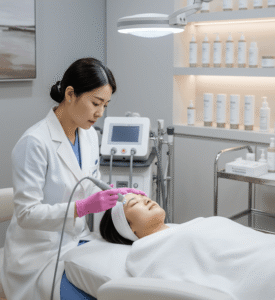
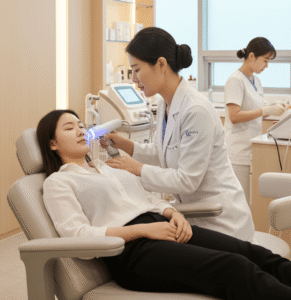
Korea is internationally recognized for its advanced cosmetic dermatology. Treatments include:
- Laser therapy:
- Q-switched Nd:YAG laser
- Alexandrite laser
- PicoSure laser (ultra-fast for pigmentation removal)
- Chemical peels: Glycolic acid, salicylic acid, and TCA peels
- Cryotherapy: Liquid nitrogen application (less common for freckles)
- Microneedling with PRP (platelet-rich plasma) for skin rejuvenation
Rehabilitation and Support
- Long-term skincare routine with sunscreen and brightening products
- Follow-up dermatology visits to monitor skin health
- Psychological counseling for patients with appearance-related anxiety
- Education programs about sun safety and skin cancer awareness