Overview
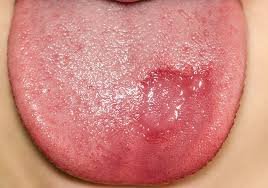
Fissured tongue is a benign condition characterized by deep grooves or fissures on the surface of the tongue. While usually asymptomatic, it can sometimes cause discomfort, especially if food debris or bacteria accumulate in the grooves, leading to bad breath or mild irritation.
In Korea, fissured tongue is commonly diagnosed during routine dental or medical check-ups. Treatment primarily focuses on oral hygiene and preventive care, as the condition itself rarely requires medical intervention.
What is Fissured Tongue?
Fissured tongue is a structural variation of the tongue, sometimes associated with genetic factors or other conditions such as Melkersson-Rosenthal syndrome. The tongue surface develops grooves of varying depth and width, which may increase with age.
It affects people of all ages and is generally harmless. Most cases are incidental findings during oral examinations.
Symptoms
- Visible grooves or fissures on the top or sides of the tongue
- Mild burning sensation in some cases
- Food particles getting stuck in the grooves
- Bad breath (halitosis) if grooves are not cleaned properly
- Occasionally, sensitivity to spicy or acidic foods
Causes
- Genetic predisposition – often runs in families
- Associated syndromes (e.g., Melkersson-Rosenthal syndrome, Down syndrome)
- Aging – fissures tend to deepen over time
- Vitamin deficiencies (rarely, vitamin B complex deficiency)
Risk Factors
- Family history of fissured tongue
- Certain genetic syndromes
- Poor oral hygiene
- Age-related changes in the tongue
- Chronic irritation from dental appliances or habits
Complications
- Food and debris accumulation leading to irritation
- Halitosis (bad breath)
- Rarely, secondary infection if hygiene is poor
- Minor discomfort when eating certain foods
Prevention
- Maintain good oral hygiene (brush tongue gently)
- Use tongue scrapers to remove debris from grooves
- Avoid spicy or acidic foods if irritation occurs
- Stay hydrated to prevent dry mouth, which can worsen irritation
- Regular dental check-ups to monitor tongue health
Treatment Options in Korea
Diagnosis
- Physical examination by a dentist or physician
- Medical history review to identify associated conditions
Medical Treatments
- Generally, no medical treatment is needed
- Topical antiseptics or mouth rinses if irritation occurs
- Address associated conditions (vitamin deficiencies, oral infections)
Therapies in Korea
- Dental care for hygiene education
- Consultation with oral medicine specialists if fissured tongue is part of a syndrome
- Regular follow-up for patients with recurring irritation or discomfort
Rehabilitation & Support
- Instruction on tongue cleaning techniques
- Guidance for dietary adjustments to prevent irritation