Overview
Fever, also known as pyrexia, is a temporary rise in body temperature, often in response to an infection, inflammation, or other underlying medical condition. It is one of the most common reasons for seeking medical care. In Korea, fever is managed with a combination of modern diagnostic tools, advanced hospital facilities, and accessible clinics, ensuring timely identification of its cause and appropriate treatment. Since fever can be a symptom of various illnesses, from mild viral infections to serious conditions like meningitis or sepsis, Korean hospitals use state-of-the-art laboratory and imaging services to determine the root cause quickly.
What is Fever?
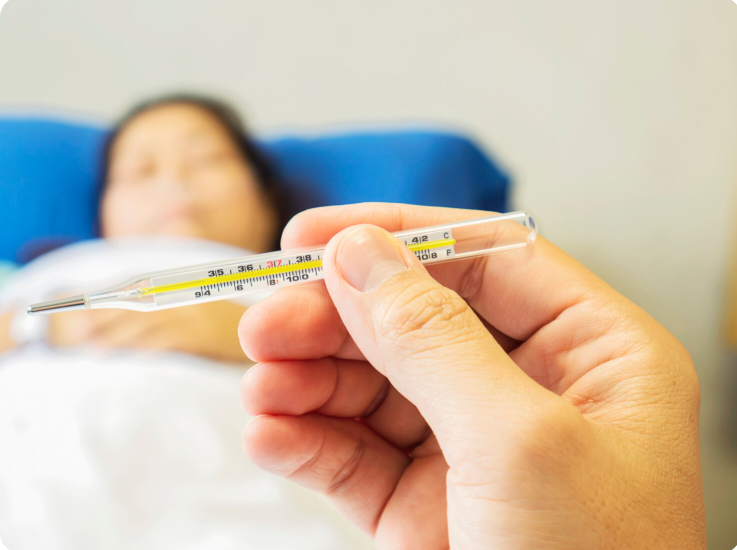
Fever is defined as a body temperature above 38°C (100.4°F). It is not a disease itself but rather a symptom of an underlying condition, often reflecting the body’s natural defense mechanism against infections or inflammation.
Symptoms
- Elevated body temperature (≥38°C)
- Sweating and chills
- Headache
- Fatigue and weakness
- Muscle aches
- Loss of appetite
- Dehydration
- Rapid heart rate
Causes
- Infections: viral (influenza, COVID-19, dengue), bacterial (pneumonia, urinary tract infections), fungal, or parasitic
- Inflammatory conditions: rheumatoid arthritis, inflammatory bowel disease
- Cancers: leukemia, lymphoma, or metastatic cancers
- Heat-related illness: heatstroke or heat exhaustion
- Drug reactions: antibiotics, anti-seizure medications
- Vaccinations: temporary mild fever after immunization
Risk Factors
- Children under 5 years old
- Elderly individuals
- Weakened immune system (HIV/AIDS, chemotherapy patients)
- Chronic illnesses (diabetes, kidney disease)
- Recent surgeries or invasive procedures
Complications
- Febrile seizures (common in children)
- Severe dehydration
- Organ failure (in untreated severe infections)
- Heatstroke-related complications
- Death (in extreme, untreated cases)
Prevention
- Good hygiene (regular handwashing, mask-wearing)
- Timely vaccinations (influenza, COVID-19, etc.)
- Safe food and water consumption
- Avoiding prolonged exposure to extreme heat
- Managing chronic illnesses with regular medical care
Treatment Options in Korea
Diagnosis
- Blood tests to detect infection or inflammation
- Urine analysis to rule out urinary tract infection
- Chest X-ray or CT scan for pneumonia or other respiratory infections
- COVID-19 and influenza tests
- Lumbar puncture (spinal tap) in suspected meningitis
Medical Treatments
- Antipyretics (paracetamol, ibuprofen)
- Antibiotics for bacterial infections
- Antiviral or antifungal drugs (if applicable)
- IV fluids to prevent dehydration
- Oxygen therapy in severe respiratory infections
Surgical & Advanced Interventions
- Abscess drainage (if fever is due to localized infection)
- Removal of infected medical devices (e.g., catheters)
- Advanced critical care in cases of sepsis or heatstroke
Rehabilitation and Support in Korea
- Pediatric fever clinics for children
- Continuous monitoring in hospitals for high-risk patients
- Public health programs for infectious disease control
- Nutritional counseling for faster recovery