Overview
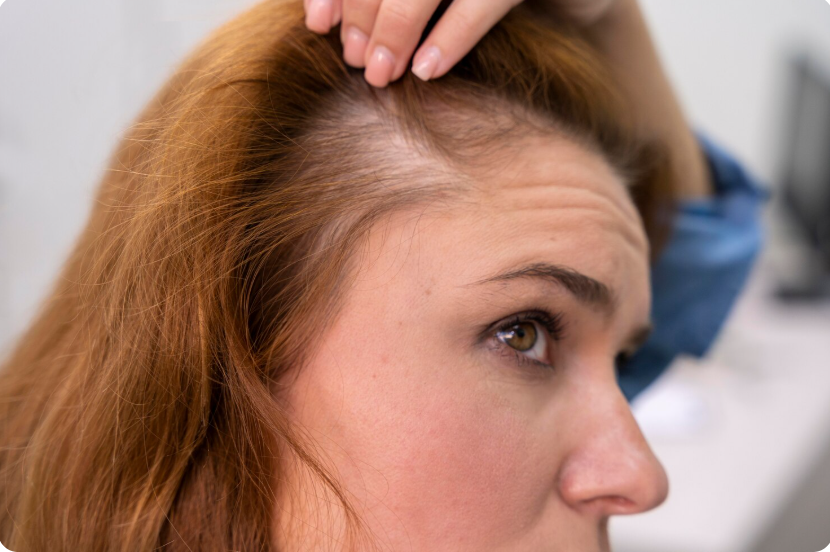
Female pattern hair loss (FPHL), also known as androgenetic alopecia in women, is a common condition characterized by gradual thinning of hair on the scalp. Unlike male pattern baldness, it usually does not cause complete baldness but results in noticeable hair density reduction, especially around the crown and parting line. In Korea, hair loss is a major concern for women, leading to strong demand for dermatology treatments, advanced hair restoration procedures, and scalp care clinics. Korean medical centers combine modern dermatology, regenerative medicine, and cosmetic techniques to manage this condition effectively.
What is Female Pattern Hair Loss?
Female pattern hair loss is a genetically influenced hair thinning condition where hair follicles shrink over time due to hormonal and hereditary factors, leading to shorter, finer, and fewer hairs.
Symptoms
- Gradual thinning of hair, especially at the top or crown
- Widening of the hair part line
- Noticeable reduction in hair volume
- Hair shedding more than usual during washing or brushing
- Rarely, receding hairline (more common in men)
Causes
- Genetic predisposition
- Hormonal changes (e.g., menopause, PCOS, thyroid disorders)
- High levels of androgens (male hormones)
- Aging and reduced estrogen levels
- Nutritional deficiencies (iron, zinc, vitamin D, biotin)
- Chronic illnesses or medications (chemotherapy, blood thinners)
Risk Factors
- Family history of hair loss
- Women over 40 or postmenopausal
- Polycystic ovary syndrome (PCOS)
- Stress and poor lifestyle habits
- Autoimmune conditions (alopecia areata may coexist)
Complications
- Low self-esteem and body image issues
- Anxiety, stress, and depression
- Social withdrawal due to cosmetic concerns
- Scalp sensitivity from thinning
Prevention
- Early consultation with dermatologists when hair thinning begins
- Balanced nutrition with adequate protein, iron, and vitamins
- Stress management and good sleep
- Avoiding harsh hair treatments, chemical dyes, and heat styling
- Regular scalp care and gentle shampooing
Treatment Options in Korea
Diagnosis
- Dermatoscopy and scalp imaging to evaluate hair follicle density
- Blood tests to assess hormone levels, thyroid function, and nutrient deficiencies
- Scalp biopsy in unclear cases to differentiate from other hair loss conditions
Medical Treatments
- Topical minoxidil (2% or 5%) to stimulate hair regrowth
- Oral medications (spironolactone, finasteride, dutasteride – sometimes prescribed cautiously in women)
- Nutritional supplements (iron, vitamin D, biotin, zinc)
- Hormone therapy for women with PCOS or menopausal symptoms
Surgical or Advanced Therapies
- Platelet-rich plasma (PRP) therapy for scalp rejuvenation
- Low-level laser therapy (LLLT) for hair follicle stimulation
- Hair transplant surgery using follicular unit extraction (FUE) or FUT techniques
- Stem cell-based therapies (offered in advanced Korean clinics)
Rehabilitation and Support
- Scalp care programs in dermatology clinics
- Cosmetic camouflage (hair fibers, wigs, scalp micropigmentation)
- Counseling for psychological support
- Long-term follow-up to monitor treatment progress