Overview
Erythromelalgia is a rare vascular disorder that causes episodes of burning pain, redness, and warmth, usually in the hands and feet. The condition can significantly impact daily life due to pain and discomfort, often triggered by heat, exercise, or minor trauma. South Korea provides specialized care for managing symptoms and addressing any underlying causes of erythromelalgia.
What is Erythromelalgia?
Erythromelalgia is characterized by abnormal dilation of blood vessels, leading to increased blood flow and inflammation in extremities. It can be classified as primary (genetic or idiopathic) or secondary (caused by underlying conditions such as myeloproliferative disorders, autoimmune diseases, or neuropathies). The disorder is chronic, and severity can vary among patients.
Symptoms
- Burning pain in hands, feet, or occasionally ears and face
- Reddened and warm skin in affected areas
- Swelling of hands or feet during flare-ups
- Symptoms aggravated by heat, exercise, or standing
- Relief often occurs with cooling of affected areas
- Episodes can last from minutes to hours, and in severe cases, daily episodes occur
Causes
- Primary erythromelalgia: Genetic mutations affecting sodium channels in nerve cells
- Secondary erythromelalgia: Often linked to underlying conditions such as:
- Myeloproliferative disorders (polycythemia vera, essential thrombocythemia)
- Autoimmune diseases (lupus, rheumatoid arthritis)
- Peripheral neuropathies
- Diabetes or vascular disorders
- Certain medications (e.g., calcium channel blockers)
Risk Factors
- Age: Can occur at any age, but primary forms often present in childhood or adolescence
- Family history of erythromelalgia
- Existing blood disorders or autoimmune conditions
- Exposure to triggers such as heat or prolonged standing
Complications
- Chronic pain affecting mobility and daily activities
- Skin damage from prolonged burning or frequent cooling methods
- Sleep disturbances due to nocturnal flare-ups
- Secondary infections from excessive cooling or skin injury
Prevention
- Avoid triggers such as heat, tight footwear, or prolonged standing
- Maintain good foot and hand care to prevent skin injury
- Manage underlying conditions effectively
- Wear breathable, protective clothing in hot environments
Treatment Options in Korea
South Korea offers multidisciplinary approaches for erythromelalgia, including pain management, vascular care, and treatment of underlying disorders:
- Diagnosis
- Detailed patient history and symptom evaluation
- Blood tests for secondary causes (complete blood count, inflammatory markers)
- Skin biopsy in atypical cases
- Neurological and vascular assessments
- Medical Management
- Pain relief: NSAIDs, gabapentin, pregabalin, or other neuropathic pain medications
- Topical treatments: Cooling gels or local anesthetics
- Blood disorder management: Medications to control platelet or red blood cell counts if secondary
- Lifestyle and Supportive Care
- Cooling strategies (ice packs, cold water) during flare-ups
- Elevation of limbs to reduce discomfort
- Avoiding heat exposure and triggers
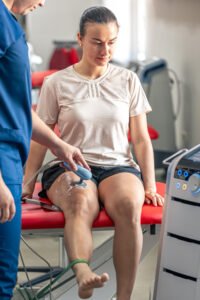
- Physical therapy to maintain mobility and reduce pain
- Advanced Therapies
- Vascular interventions in severe, refractory cases
- Referral to pain management specialists for chronic cases
- Ongoing monitoring for secondary complications
- Follow-Up Care
- Regular assessment of symptom severity and frequency
- Monitoring for progression or new underlying conditions
- Patient education on trigger avoidance and self-care strategies