Overview
Epilepsy is a neurological disorder characterized by recurrent, unprovoked seizures caused by abnormal electrical activity in the brain. It can affect people of all ages and may vary from brief lapses in attention to severe convulsions. South Korea offers advanced diagnostic tools, specialized epilepsy centers, and modern treatment options to manage seizures and improve quality of life.
What is Epilepsy?
Epilepsy is a chronic condition in which individuals experience recurrent seizures. Seizures can manifest in various ways depending on the brain region affected, including convulsions, staring spells, unusual movements, or sensory disturbances. Epilepsy may result from genetic factors, brain injury, infections, or developmental disorders.
Symptoms
- Recurrent seizures of varying types:
- Generalized seizures: Affect the whole brain, causing convulsions and loss of consciousness
- Focal seizures: Affect a specific part of the brain, causing localized symptoms
- Temporary confusion or staring spells
- Loss of consciousness or awareness
- Sudden jerking movements of the arms or legs
- Emotional or sensory disturbances before a seizure (aura)
- Fatigue or headache following a seizure
Causes
- Genetic predisposition
- Brain injury or trauma
- Stroke or vascular malformations
- Infections affecting the brain (e.g., meningitis, encephalitis)
- Brain tumors
- Developmental disorders or congenital anomalies
- Metabolic imbalances or severe electrolyte disturbances
Risk Factors
- Family history of epilepsy
- Head injuries or traumatic brain injury
- Stroke or brain infections
- Prenatal brain damage
- Neurological disorders such as cerebral palsy or autism spectrum disorder
Complications
- Physical injury from falls or accidents during seizures
- Status epilepticus (prolonged, life-threatening seizures)
- Cognitive or memory problems
- Emotional and social challenges including anxiety and depression
- Sudden unexpected death in epilepsy (SUDEP) in severe cases
Prevention
- Avoid head injuries by using protective gear and safety measures
- Proper management of underlying neurological or metabolic conditions
- Adherence to anti-seizure medications
- Prenatal care to prevent brain developmental issues
- Prompt treatment of infections affecting the brain
Treatment Options in Korea
South Korea provides comprehensive epilepsy care through neurologists, specialized epilepsy centers, and advanced technology:
- Diagnosis
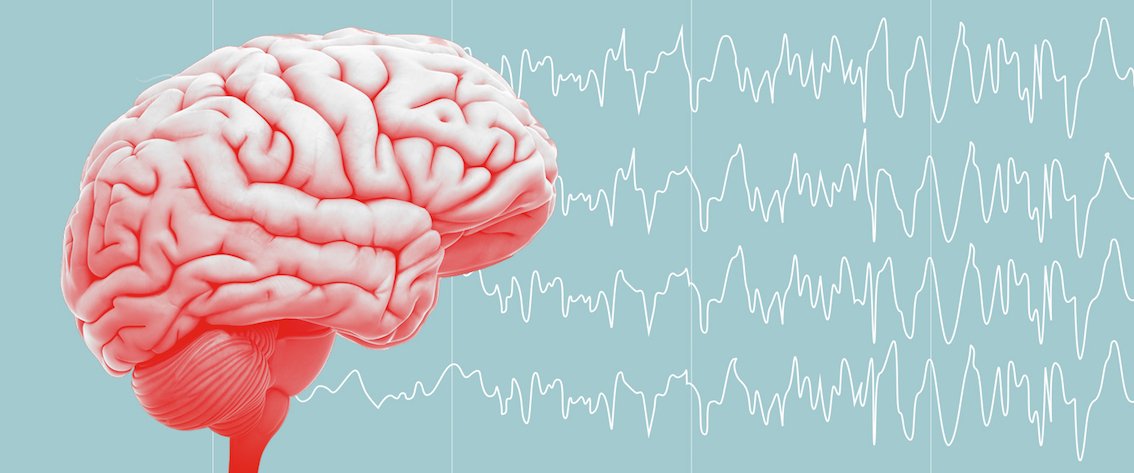
- Electroencephalogram (EEG) to detect abnormal electrical activity
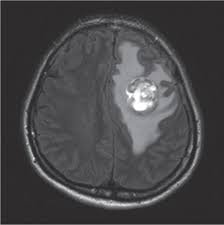
- MRI or CT scans to identify structural brain abnormalities
- Blood tests to detect metabolic causes
- Video EEG monitoring for precise seizure characterization
- Medication
- Anti-seizure drugs (e.g., valproate, levetiracetam, lamotrigine) tailored to seizure type
- Adjustment of dosage and combination therapy for resistant cases
- Surgical Intervention
- Epilepsy surgery (resection of seizure focus) for drug-resistant epilepsy
- Vagus nerve stimulation (VNS) or responsive neurostimulation (RNS) for difficult cases
- Lifestyle and Supportive Measures
- Seizure safety education for patients and caregivers
- Regular sleep, stress management, and avoiding seizure triggers
- Rehabilitation for cognitive or motor deficits caused by seizures
- Follow-Up Care
- Regular monitoring by neurologists
- Adjustment of medications based on seizure frequency and side effects
- Counseling and social support for improved quality of life