Overview
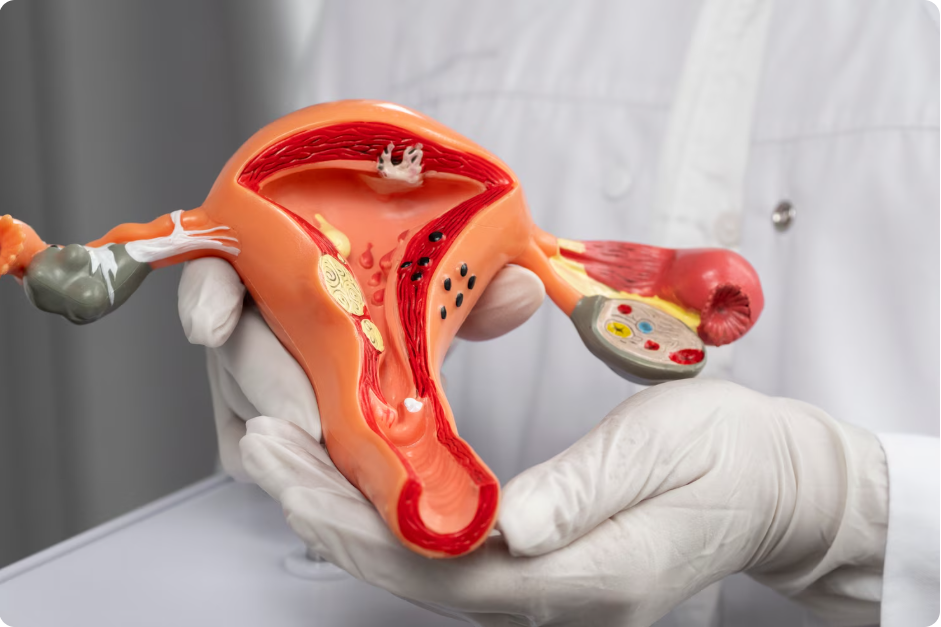
Endometrial cancer is a type of cancer that originates in the lining of the uterus, called the endometrium. It is the most common gynecologic malignancy in women. Early detection significantly improves outcomes, and South Korea provides advanced diagnostic tools, surgical techniques, and treatment options for managing endometrial cancer effectively.
What is Endometrial Cancer?
Endometrial cancer occurs when abnormal cells in the uterine lining grow uncontrollably, forming a malignant tumor. It typically develops after menopause but can also affect younger women. Most endometrial cancers are adenocarcinomas, originating from glandular cells.
Symptoms
- Abnormal vaginal bleeding (especially postmenopausal)
- Unusual vaginal discharge
- Pelvic or lower abdominal pain
- Pain during urination or intercourse
- Unexplained weight loss or fatigue in advanced cases
Causes
- Hormonal imbalance: Excess estrogen without progesterone (common in obesity, polycystic ovary syndrome, or hormone therapy)
- Genetic mutations: Changes in genes such as PTEN, PIK3CA, or mismatch repair genes
- Other factors: Chronic inflammation of the uterus, tamoxifen use, and late menopause
Risk Factors
- Age over 50
- Obesity or metabolic syndrome
- Diabetes or hypertension
- Family history of endometrial or colorectal cancer
- Use of estrogen-only hormone therapy
- Early menarche or late menopause
- Polycystic ovary syndrome (PCOS)
Complications
- Spread to lymph nodes, ovaries, or other pelvic organs
- Recurrence after treatment
- Impact on fertility in younger women
- Treatment-related complications such as surgical or radiotherapy side effects
Prevention
- Maintain a healthy weight and exercise regularly
- Manage diabetes and other metabolic conditions
- Use combined estrogen-progesterone therapy rather than estrogen alone if needed
- Regular gynecological check-ups and prompt evaluation of abnormal bleeding
- Genetic counseling if there is a family history of Lynch syndrome or other hereditary cancers
Treatment Options in Korea
South Korea offers multidisciplinary care for endometrial cancer, including gynecologic oncology, advanced imaging, and post-treatment rehabilitation.
- Diagnosis
- Transvaginal ultrasound to assess endometrial thickness
- Endometrial biopsy or curettage to confirm cancer
- MRI or CT scan to evaluate tumor spread
- PET scan for advanced staging
- Surgical Intervention
- Hysterectomy (removal of the uterus), often with removal of fallopian tubes and ovaries
- Lymph node dissection if cancer spread is suspected
- Minimally invasive or robotic-assisted surgeries are available
- Medication & Therapy
- Hormonal therapy for early-stage or low-grade cancers in select cases
- Chemotherapy for advanced or recurrent cancers
- Radiation therapy (external beam or brachytherapy) as adjunct or primary therapy in certain cases
- Follow-up & Supportive Care
- Regular post-treatment imaging and physical examinations
- Management of treatment side effects such as menopause symptoms, fatigue, or lymphedema
- Nutritional counseling and psychological support
- Major Hospitals in Korea
Institutions provide comprehensive cancer care with access to clinical trials and innovative therapies.