Overview
Cutis Laxa is a rare connective tissue disorder characterized by loose, sagging, and inelastic skin. The condition can be congenital (present at birth) or acquired later in life. Beyond cosmetic concerns, Cutis Laxa may involve internal organs, including the lungs, heart, and blood vessels, leading to serious health complications. In South Korea, specialized dermatology and genetic clinics provide diagnosis, management, and supportive care for patients with Cutis Laxa.
What is Cutis Laxa?
Cutis Laxa results from defective elastin or associated proteins in connective tissue, reducing the skin’s elasticity. There are several types:
- Autosomal dominant: Usually milder skin involvement
- Autosomal recessive: Often severe, with systemic organ involvement
- X-linked or acquired forms: Rare, may follow infections, medications, or inflammatory conditions
The disorder may manifest in skin laxity, premature aging appearance, and, in severe cases, organ complications.
Symptoms
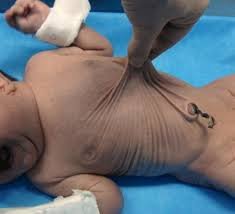
- Loose, sagging, or wrinkled skin, especially on the face, neck, and limbs
- Premature aging appearance
- Stretch marks without weight change
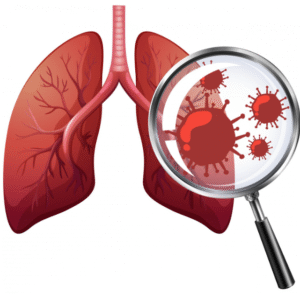
- Respiratory issues (emphysema, hernias) in systemic forms
- Cardiovascular problems (aortic aneurysm, heart valve defects) in severe cases
- Abdominal hernias
Causes
- Genetic mutations affecting elastin (ELN), fibulin, or related genes
- Acquired due to autoimmune disorders, infections, or adverse reactions to medications (rare)
- Defective connective tissue development in congenital forms
Risk Factors
- Family history of Cutis Laxa or related connective tissue disorders
- Certain genetic syndromes
- Autoimmune conditions for acquired forms
Complications
- Respiratory problems: Emphysema or chronic lung disease
- Cardiovascular issues: Aortic dilation, heart valve disease
- Hernias or organ prolapse
- Cosmetic concerns affecting psychological well-being
Prevention
- Genetic counseling for families with a history of Cutis Laxa
- Early monitoring and management of associated organ complications
- Avoid triggers for acquired forms, such as certain medications or inflammatory conditions
Treatment Options in Korea
South Korea offers multidisciplinary care for Cutis Laxa, focusing on both cosmetic and systemic management:
- Diagnosis
- Clinical examination of skin laxity
- Genetic testing for known mutations
- Imaging studies (CT, MRI, echocardiography) for organ involvement
- Medical Management
- Supportive care for respiratory or cardiovascular complications
- Medications for associated conditions, such as antihypertensives for aortic issues
- Surgical Intervention
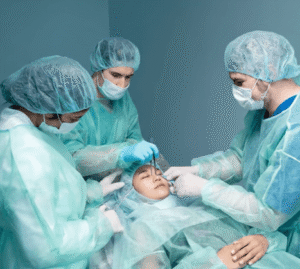
- Cosmetic procedures (facelifts, skin tightening)
- Repair of hernias or organ prolapses
- Cardiovascular surgery for aneurysms or heart defects
- Specialized Clinics
- Major hospitals like Severance Hospital, Samsung Medical Center, and Asan Medical Center provide dermatology-genetics clinics for diagnosis and management
- Multidisciplinary teams include dermatologists, geneticists, cardiologists, and pulmonologists
- Supportive Care
- Regular monitoring of heart and lung function
- Physical therapy for mobility and musculoskeletal support
- Psychological counseling for cosmetic and psychosocial concerns