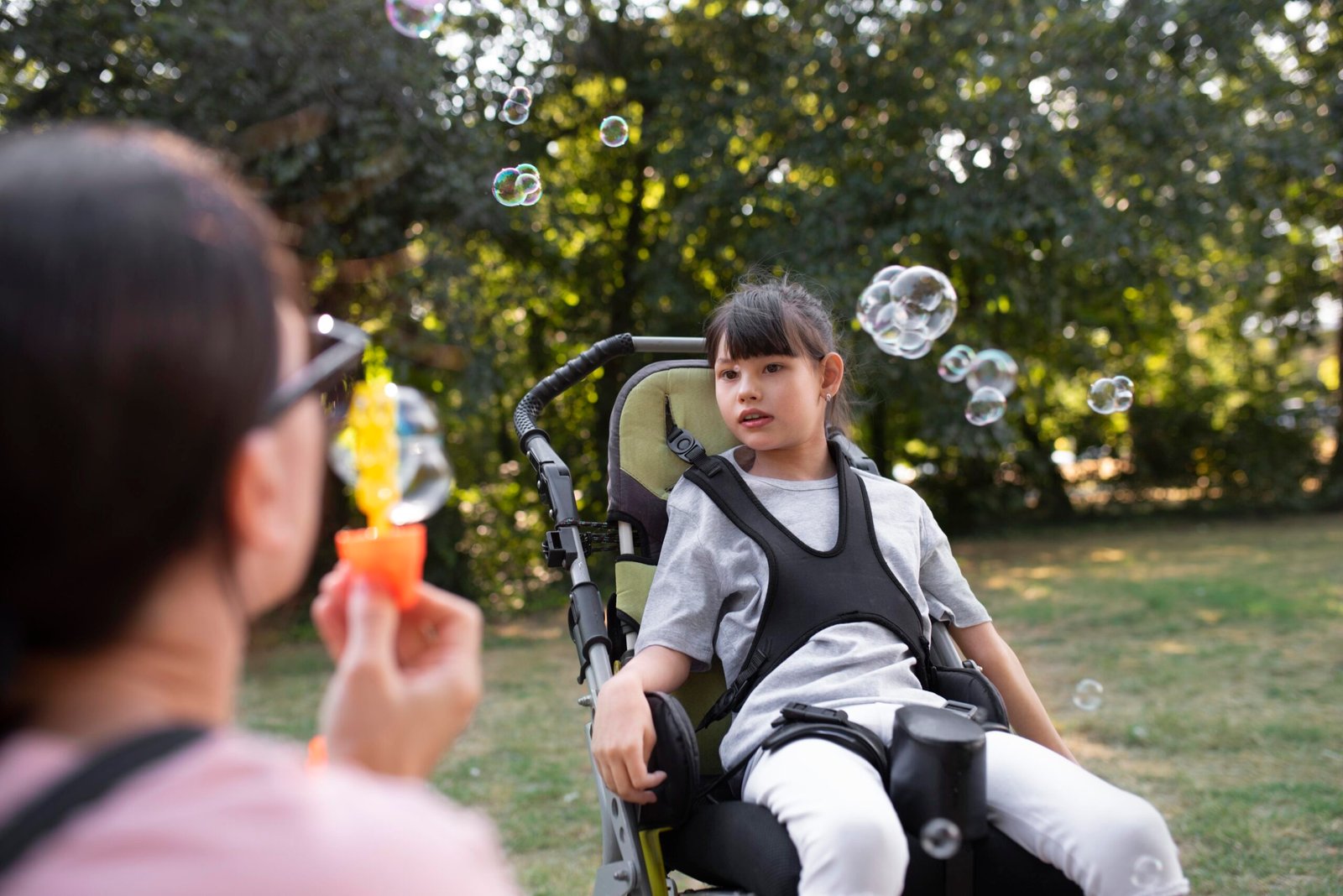
Overview
Autism Spectrum Disorder (ASD) is a complex neurodevelopmental condition characterized by challenges in social communication, repetitive behaviors, and restricted interests. The spectrum nature of the disorder means it can vary significantly in severity and presentation. In Korea, there is growing awareness and increased support for early diagnosis and intervention through specialized medical and educational services.
What is Autism Spectrum Disorder?
Autism Spectrum Disorder refers to a range of conditions related to brain development that affect how a person perceives and socializes with others. It includes a variety of traits and behaviors such as difficulty with eye contact, communication challenges, repetitive actions, and sensitivity to sensory input. The term “spectrum” reflects the wide variation in challenges and strengths people with autism can have.
Symptoms
- Delayed speech or language skills
- Difficulty with social interactions or peer relationships
- Lack of eye contact or facial expressions
- Repetitive behaviors (e.g., hand-flapping, lining up objects)
- Fixated interests or routines
- Sensitivity to sensory inputs like light, sound, or touch
- Difficulty understanding other people’s emotions
- In some cases, intellectual disability or exceptional abilities in specific areas
Causes
The exact cause of ASD is not fully understood, but it is believed to result from a combination of genetic and environmental factors:
- Genetic mutations or syndromes (e.g., Fragile X)
- Advanced parental age at conception
- Prenatal exposure to toxins or infections
- Low birth weight or birth complications
- Brain development irregularities during fetal growth
Risk Factors
- Family history of autism or other neurodevelopmental disorders
- Genetic conditions such as Rett syndrome or tuberous sclerosis
- Being male (boys are more likely to be diagnosed than girls)
- Premature birth
- Exposure to environmental pollutants during pregnancy
- Maternal diabetes or use of certain medications during pregnancy
Complications
- Social isolation and bullying
- Learning disabilities or attention issues
- Difficulty finding and maintaining employment
- Mental health conditions like anxiety or depression
- Challenges in independent living in adulthood
- Communication barriers that impact healthcare access
Prevention
There is no known way to prevent autism, but certain steps may reduce risk or promote healthy development:
- Regular prenatal care during pregnancy
- Avoiding alcohol, tobacco, and harmful medications during pregnancy
- Managing chronic conditions like diabetes and thyroid disorders in mothers
- Genetic counseling if there’s a family history of ASD
- Early screening and intervention if developmental delays are noticed
Treatment Options in Korea
South Korea has significantly improved its healthcare infrastructure for autism, with increasing access to diagnosis, therapy, and support systems. Hospitals like Severance Hospital, Samsung Medical Center, and Asan Medical Center offer specialized ASD services.
1. Diagnosis
- Developmental screenings in infants and toddlers
- Behavioral evaluations by pediatric neurologists or psychologists
- ADOS (Autism Diagnostic Observation Schedule)
- Cognitive and language assessments
- Genetic testing (if syndromic features are suspected)
2. Medical & Therapeutic Treatment
- Behavioral therapy (Applied Behavior Analysis – ABA)
- Speech and language therapy
- Occupational therapy for daily life skills
- Social skills training
- Medication for associated conditions like anxiety, ADHD, or aggression
- Parent education programs to support family engagement
3. Educational Support in Korea
- Special education schools and inclusive classrooms with tailored programs
- Government-provided Individualized Education Plans (IEPs)
- Local Autism Centers offer therapy sessions and family support
- Some cities offer subsidies for therapy or learning equipment
4. Community and Long-Term Support
- Vocational training for older children and adults
- Social support groups and advocacy networks
- Residential care or supervised living programs for severe cases
- Nationwide Autism Registration Program for access to health benefits and services