
Overview
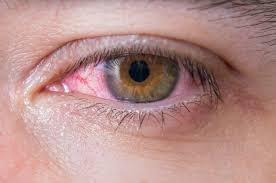
Allergic conjunctivitis is an inflammation of the conjunctiva—the clear tissue covering the white part of the eye—caused by an allergic reaction to environmental allergens such as pollen, dust, pet dander, or mold. It is a common and usually non-serious condition, but the symptoms can be uncomfortable and disruptive. Although not contagious, it often coexists with other allergic conditions like hay fever or asthma.
What is Allergic Conjunctivitis?
Allergic conjunctivitis occurs when the eyes react to allergens, triggering an immune response that causes the conjunctiva to become red, swollen, and itchy. The body releases histamines and other chemicals that cause inflammation and increased tear production. There are two main types:
- Seasonal allergic conjunctivitis (SAC) – linked to pollen, common in spring and fall.
- Perennial allergic conjunctivitis (PAC) – caused by year-round allergens like dust mites or pet dander.
Symptoms
- Red, bloodshot eyes
- Itchy eyes (often intense)
- Watery or teary eyes
- Swollen eyelids
- Burning or stinging sensation
- Sensitivity to light (photophobia)
- Mucus discharge from the eyes (stringy or sticky)
- A feeling of grittiness or having “something in the eye”
Usually, both eyes are affected simultaneously.
Causes
Allergic conjunctivitis is caused by an overreaction of the immune system to substances that are normally harmless, such as:
- Pollen (grass, trees, weeds)
- Dust mites
- Animal dander
- Mold spores
- Perfumes or smoke
- Certain eye drops or contact lens solutions
Risk Factors
- Personal or family history of allergies (e.g., eczema, hay fever, asthma)
- Exposure to allergens (seasonal or indoor)
- Wearing contact lenses
- Living in urban or high-pollution areas
- Dry environments that increase eye irritation
Complications
Though allergic conjunctivitis is generally mild, complications can occur in some cases:
- Chronic inflammation (especially in PAC)
- Damage to the cornea from frequent rubbing
- Infection risk due to constant touching of the eyes
- Impaired vision (rare, but possible in severe allergic eye diseases like vernal keratoconjunctivitis)
Prevention
- Avoid known allergens (pollen, dust, pet dander, etc.)
- Keep windows closed during high pollen seasons
- Use air purifiers and humidifiers in your home
- Wash hands and face frequently
- Change pillowcases and bedsheets often
- Wear sunglasses outdoors to block pollen
- Avoid rubbing your eyes, which worsens irritation
Treatment Options in Korea
South Korea provides modern and effective eye allergy treatments through dermatology, allergy, and ophthalmology departments in major hospitals. Treatment focuses on symptom relief and allergen avoidance:
1. Medications
- Antihistamine eye drops (e.g., olopatadine, ketotifen): Relieve itching and redness
- Mast cell stabilizers (e.g., cromolyn sodium): Prevent allergic reactions
- Dual-action drops: Combine antihistamines and mast cell stabilizers for better results
- Oral antihistamines: Useful if allergic conjunctivitis is part of systemic allergies
- Corticosteroid eye drops: For severe inflammation (short-term use only under supervision)
2. Cold Compress
- Helps soothe itching, swelling, and redness.
3. Allergen Testing and Immunotherapy
- Conducted at specialized clinics like:
- Samsung Medical Center Allergy Clinic
- Seoul National University Hospital
- Yonsei Severance Allergy Center
- Allergy shots (immunotherapy) may help reduce long-term sensitivity to allergens.
4. Artificial Tears
- Over-the-counter lubricating drops to flush out allergens and relieve irritation.
5. Contact Lens Management
- Use daily disposable lenses or switch to glasses during flare-ups.
6. Environmental Control
- HEPA filters in air conditioners and vacuum cleaners
- Mold and dust mite reduction measures in homes