
Overview
Acute appendicitis is a sudden inflammation of the appendix, a small, finger-shaped pouch attached to the large intestine. It is one of the most common causes of emergency abdominal surgery worldwide. Without timely treatment, the appendix can rupture, leading to severe complications such as peritonitis or sepsis.
Early recognition and prompt surgical removal (appendectomy) significantly reduce the risk of complications and ensure full recovery in most cases.
What is Acute Appendicitis?
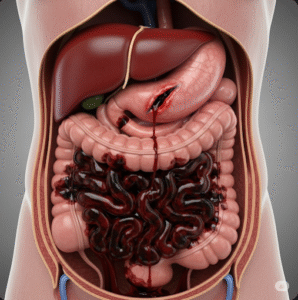
Acute appendicitis is a rapid-onset condition in which the appendix becomes inflamed, infected, and swollen. The inflammation is usually caused by a blockage in the appendix, leading to bacterial overgrowth and infection. If untreated, the appendix may burst (perforate), spreading infection throughout the abdominal cavity.
Symptoms
Symptoms usually appear suddenly and intensify over time. Common signs include:
- Abdominal pain: Starts near the navel and shifts to the lower right side
- Loss of appetite
- Nausea and vomiting
- Low-grade fever
- Swollen abdomen
- Constipation or diarrhea
- Inability to pass gas
In children, elderly, and pregnant women, symptoms may be less typical or harder to recognize.
Causes
Acute appendicitis is most often caused by a blockage of the appendix, which leads to bacterial infection. Common causes of blockage include:
- Fecaliths (hardened stool)
- Enlarged lymphoid follicles
- Intestinal parasites
- Tumors
- Inflammatory bowel diseases (e.g., Crohn’s disease)
Risk Factors
While acute appendicitis can affect anyone, certain factors may increase the risk:
- Age: Most common between ages 10–30
- Sex: Slightly more common in males
- Family history: Genetic factors may play a role
- Low-fiber, high-fat diet
- History of gastrointestinal infections
Complications
If not treated promptly, appendicitis can lead to:
- Appendix rupture: Causes widespread infection in the abdomen (peritonitis)
- Abscess formation: A pocket of pus around the appendix
- Sepsis: A life-threatening, body-wide infection
- Bowel obstruction
- Wound infection after surgery
Prevention
There is no guaranteed way to prevent acute appendicitis, but the following may help reduce risk:
- Eating a high-fiber diet (fruits, vegetables, whole grains)
- Staying hydrated
- Promptly treating gastrointestinal infections
- Monitoring and managing chronic gut conditions
Treatment Options Korea
1. Surgical Removal (Appendectomy)
- Standard treatment for most cases
- Laparoscopic appendectomy is the most common approach in Korea
- Minimally invasive, shorter hospital stay, faster recovery
- Open surgery used for complicated cases (e.g., perforation or abscess)
2. Antibiotic Therapy
- May be used for early, uncomplicated appendicitis
- Sometimes chosen as an initial approach or for non-surgical candidates
- Still controversial; recurrence risk exists
3. Management of Complicated Cases
- Perforated or abscessed appendicitis may require:
- IV antibiotics
- Drainage of abscess via imaging-guided procedure
- Delayed surgery after infection control
4. Preoperative and Postoperative Care
- Pain management, IV fluids, and infection prevention
- Early mobilization after laparoscopic surgery
- Discharge typically within 1–3 days post-op
5. Pediatric and Elderly Considerations
Elderly patients need careful evaluation due to atypical symptoms and comorbidities
Pediatric appendicitis managed in children’s hospitals with family-centered care