
Gastroenteritis (gastro) in Korea

Overview Gastroenteritis, commonly known as gastro, is an inflammation of the stomach and intestines that causes diarrhea, vomiting, abdominal pain, and cramps. It is typically caused by infections from viruses, bacteria, or parasites. While usually self-limiting, gastroenteritis can cause dehydration and severe illness, especially in children, the elderly, and immunocompromised individuals. South Korea provides comprehensive […]
Gastroesophageal junction cancer in Korea

Overview Gastroesophageal junction (GEJ) cancer is a malignancy that occurs where the esophagus meets the stomach. It is an aggressive cancer type often diagnosed at an advanced stage due to subtle early symptoms. Early detection and comprehensive treatment significantly improve outcomes. South Korea is recognized for its advanced cancer care, including specialized surgical techniques and […]
Gastroesophageal reflux disease (GERD) in Korea
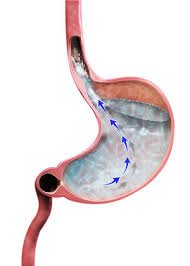
Overview Gastroesophageal Reflux Disease (GERD) is a common digestive disorder where stomach acid frequently flows back into the esophagus, causing irritation and discomfort. This reflux can lead to symptoms such as heartburn and regurgitation. GERD affects people worldwide, and South Korea offers advanced diagnostic and treatment options to manage this chronic condition effectively. What is […]
Gastrointestinal cancer in Korea

Overview Gastrointestinal (GI) cancers refer to malignant tumors that develop anywhere along the digestive tract, including the esophagus, stomach, liver, pancreas, colon, rectum, and anus. These cancers can significantly impact digestion, nutrition, and overall health. South Korea is renowned for its advanced cancer detection, treatment, and research facilities, offering comprehensive care for GI cancer patients. […]
Gastrointestinal disorder in Korea

Overview Gastrointestinal disorders encompass a wide range of conditions affecting the digestive tract, including the esophagus, stomach, intestines, liver, pancreas, and gallbladder. These disorders can cause symptoms such as abdominal pain, bloating, diarrhea, constipation, and nausea. South Korea provides advanced diagnostic and treatment options for various gastrointestinal disorders through experienced gastroenterologists and multidisciplinary care teams. […]
Gastrointestinal stromal tumor (GIST) in Korea

Overview Gastrointestinal stromal tumor (GIST) is a rare type of tumor originating from the interstitial cells of Cajal in the gastrointestinal (GI) tract. It is the most common mesenchymal tumor of the GI tract and can vary from benign to malignant. Early diagnosis and targeted treatment significantly improve outcomes. South Korea has advanced diagnostic tools […]
Gastroparesis in Korea

Overview Gastroparesis is a chronic condition characterized by delayed emptying of the stomach contents without any mechanical obstruction. This results in symptoms such as nausea, vomiting, bloating, and abdominal discomfort. In South Korea, specialized gastroenterology centers provide advanced diagnostic and therapeutic options to manage this challenging condition. What is Gastroparesis? Gastroparesis means “paralyzed stomach,” where […]
Gaucher disease in Korea
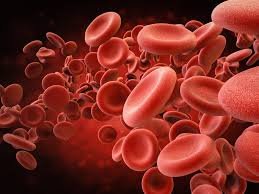
Overview Gaucher disease is a rare inherited metabolic disorder caused by a deficiency of the enzyme glucocerebrosidase, leading to the buildup of fatty substances (glucocerebroside) in certain organs. This accumulation primarily affects the spleen, liver, and bone marrow, causing enlargement, anemia, bone pain, and other complications. South Korea has advanced diagnostic and treatment facilities to […]
Gender incongruence in Korea

Overview Gender incongruence refers to a marked and persistent difference between an individual’s experienced or expressed gender and the gender assigned at birth. This condition may cause significant distress or impairment in social, occupational, or other important areas of functioning. In South Korea, awareness and medical support for gender incongruence are growing, with specialized clinics […]
G6PD deficiency in Korea
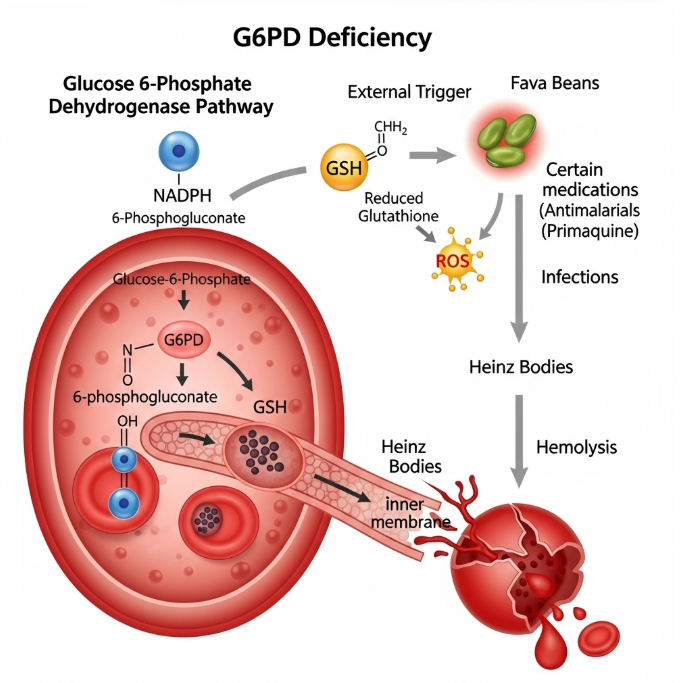
Overview Glucose-6-phosphate dehydrogenase (G6PD) deficiency is a genetic enzyme disorder that affects red blood cells, making them more vulnerable to breaking down under certain stressors like infections, some foods, or medications. It is one of the most common enzyme deficiencies worldwide. In Korea, awareness and diagnosis of G6PD deficiency have improved, ensuring better management and […]