
Glossitis in Korea

Overview Glossitis refers to inflammation of the tongue, which can manifest as swelling, color changes, and alterations in texture. While not among the most common oral conditions in Korea, it poses significant health concerns due to its association with underlying systemic conditions and potential complications. What is Glossitis? Glossitis involves inflammation of the tongue, which […]
Glucose-6-phosphate dehydrogenase deficiency (G6PD) in Korea
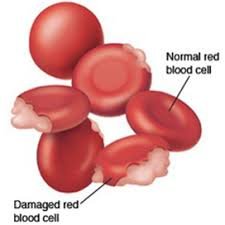
Overview Glucose-6-Phosphate Dehydrogenase (G6PD) deficiency is a genetic disorder affecting red blood cells. Individuals with G6PD deficiency lack sufficient activity of the G6PD enzyme, which helps protect red blood cells from oxidative damage. This can lead to episodes of hemolytic anemia, particularly after exposure to certain medications, infections, or foods. While often asymptomatic, severe cases […]
Glue ear in Korea

Overview Glue ear, medically known as otitis media with effusion (OME), is a condition where the middle ear fills with thick, sticky fluid instead of air. It is common in children but can also affect adults. While not usually painful, it can cause hearing difficulties and affect speech, language, and learning in children. Korea provides […]
Gluten intolerance in Korea

Overview Gluten intolerance, also known as non-celiac gluten sensitivity, is a condition where individuals experience digestive and systemic symptoms after consuming gluten, a protein found in wheat, barley, and rye. Unlike celiac disease, gluten intolerance does not cause autoimmune damage to the small intestine, but it can significantly affect quality of life. South Korea offers […]
Goiter in Korea

Overview Goiter is an abnormal enlargement of the thyroid gland, located in the neck, which may cause swelling and visible neck enlargement. While some goiters are harmless, others can lead to difficulties in breathing, swallowing, or indicate underlying thyroid dysfunction. South Korea provides comprehensive care for goiter, including diagnostic imaging, medications, and surgical interventions when […]
Gigantism in Korea

Overview Gigantism is a rare endocrine disorder characterized by excessive growth and height due to overproduction of growth hormone (GH) during childhood or adolescence, before the growth plates close. If untreated, it can lead to extremely tall stature and complications affecting multiple organ systems. South Korea offers advanced diagnostic and treatment options, including surgical, medical, […]
Generalized anxiety disorder in Korea

Overview Generalized Anxiety Disorder (GAD) is a mental health condition characterized by persistent, excessive, and uncontrollable worry about various aspects of daily life. This condition can significantly impact work, relationships, and overall quality of life. South Korea offers advanced psychiatric care, counseling, and therapy options for effective management of GAD. What is Generalized Anxiety Disorder? […]
Genetic disorders in Korea

Overview Genetic disorders are conditions caused by abnormalities in an individual’s DNA or chromosomes. These abnormalities can be inherited from parents or arise spontaneously. Genetic disorders can affect any part of the body, influencing metabolism, growth, development, or organ function. South Korea provides advanced genetic testing, counseling, and treatment services to help diagnose and manage […]
Genetic disorders guide in Korea

Overview Genetic disorders are conditions caused by abnormalities in an individual’s DNA or chromosomes. They can be inherited from parents or arise spontaneously due to mutations. These disorders range from mild to life-threatening and can affect any part of the body, including metabolism, growth, development, and organ function. South Korea offers advanced genetic testing, counseling, […]
Genital herpes in Korea
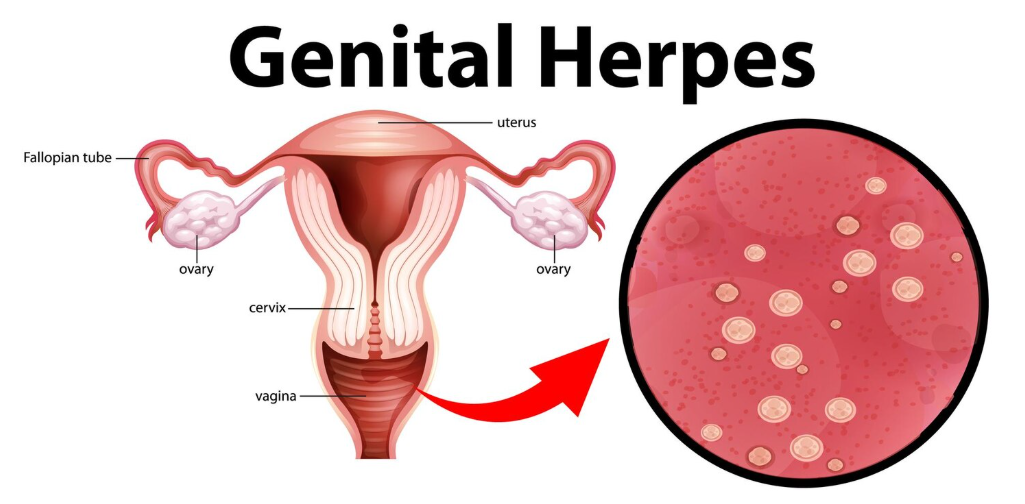
Overview Genital herpes is a common sexually transmitted infection (STI) caused by the herpes simplex virus (HSV), primarily HSV-2, though HSV-1 can also be involved. It causes recurrent painful sores or blisters in the genital area. While the infection is chronic and currently incurable, antiviral treatments in South Korea effectively reduce symptoms, prevent complications, and […]