
Cold Sores in Korea

Overview Cold sores, also known as fever blisters, are small, painful blisters that usually appear on or around the lips. They are caused by the herpes simplex virus (HSV-1) and are highly contagious. In Korea, dermatology and infectious disease clinics provide effective antiviral treatments, preventive strategies, and guidance for managing outbreaks to reduce discomfort and […]
Cold or flu in Korea

Overview Colds and influenza (flu) are common viral infections of the upper respiratory tract. While the common cold usually causes mild symptoms, influenza can lead to severe illness, especially in children, elderly individuals, and those with chronic diseases. In Korea, seasonal outbreaks are monitored by public health authorities, and healthcare facilities provide diagnostic testing, symptomatic […]
Colds in Korea

Overview The common cold is a mild viral infection of the upper respiratory tract, primarily affecting the nose and throat. It is highly contagious and occurs worldwide, including Korea, especially during seasonal changes. While usually self-limiting, colds can cause discomfort and may lead to complications in people with weakened immune systems. Korean clinics provide effective […]
Cochlear Disorders in Korea
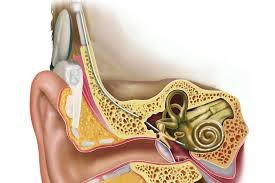
Overview Cochlear disorders are conditions that affect the cochlea, a spiral-shaped organ in the inner ear responsible for converting sound vibrations into nerve signals for hearing. These disorders can lead to partial or complete hearing loss and may affect one or both ears. In Korea, advanced audiology clinics and specialized ENT centers offer comprehensive diagnostics, […]
Coats Disease in korea

Overview Coats disease is a rare eye disorder characterized by abnormal development of blood vessels in the retina, leading to leakage, retinal detachment, and vision loss. It usually affects one eye and is more common in boys during childhood. In Korea, advanced ophthalmology centers provide early diagnosis and effective treatment options, helping to preserve vision […]
Cluster Headache in Korea

Overview Cluster headache is a rare but extremely painful type of primary headache characterized by sudden, severe attacks on one side of the head, often around the eye. These headaches occur in cyclical patterns or “clusters,” sometimes lasting weeks to months, followed by remission periods. In Korea, modern neurology clinics and specialized headache centers offer […]
Clubfoot in Korea

Overview Clubfoot, medically known as talipes equinovarus, is a congenital deformity in which one or both feet are twisted out of their normal position. The foot may point downward and inward, making walking and mobility difficult if untreated. In South Korea, clubfoot is effectively managed through early intervention, including non-surgical methods like the Ponseti casting […]
Clostridium perfringens Infection in Korea

Overview Clostridium perfringens infection is caused by a type of bacteria commonly found in soil, decaying vegetation, and the intestines of humans and animals. It is one of the most frequent causes of food poisoning, but it can also lead to serious illnesses such as gas gangrene (clostridial myonecrosis) and enteritis necroticans. While most cases […]
Cloacal Exstrophy in Korea
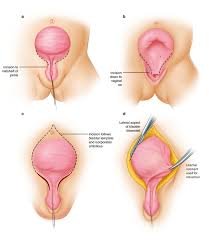
Overview Cloacal exstrophy is a rare but severe congenital condition where the abdominal organs, bladder, and intestines are exposed outside the body. It occurs during fetal development when the lower abdominal wall and pelvic structures do not form properly. Babies with this condition require immediate medical attention and multiple surgeries to reconstruct the urinary, gastrointestinal, […]
Cleft Lip and Palate in Korea

Overview Cleft lip and palate are congenital birth defects that occur when a baby’s lip or the roof of the mouth (palate) does not form properly during pregnancy. These conditions can affect feeding, speech, hearing, and appearance, but with modern surgical techniques, children with cleft lip and palate can lead healthy, normal lives. In Korea, […]