
Hay fever (a guide) in Korea

Overview Hay fever, or allergic rhinitis, is a widespread condition in Korea, particularly during spring and early summer when pollen levels peak. This guide provides comprehensive information for patients and caregivers to understand, prevent, and manage hay fever effectively in the Korean context. What is Hay Fever? Hay fever is an allergic reaction caused by […]
Hay fever in Korea

Overview Hay fever, also known as allergic rhinitis, is a common allergic condition caused by sensitivity to airborne allergens such as pollen. In Korea, seasonal hay fever is particularly prevalent during spring when tree and grass pollens are abundant. Effective diagnosis and management help reduce symptoms and improve quality of life. What is Hay Fever? […]
Hashimoto’s disease in Korea
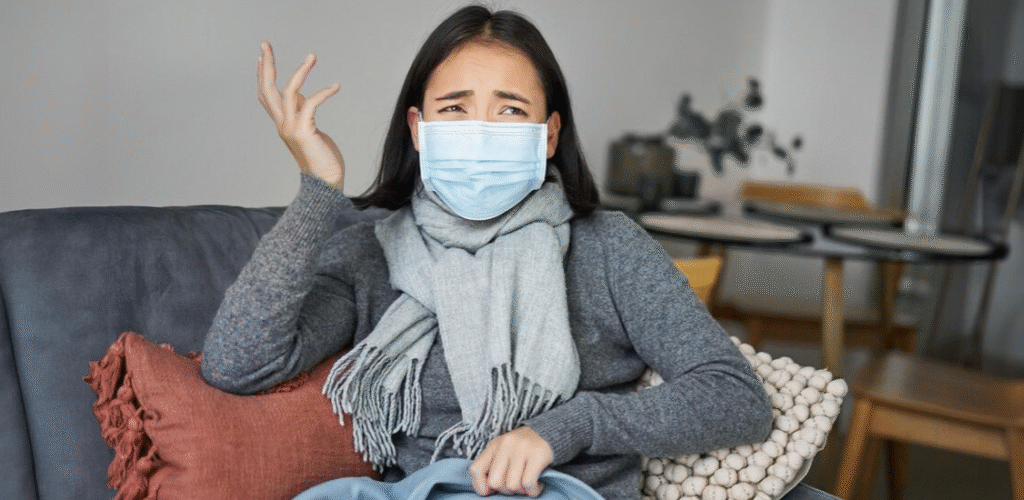
Overview Hashimoto’s Disease, also known as chronic lymphocytic thyroiditis, is an autoimmune disorder that leads to gradual thyroid gland dysfunction. In Korea, it is one of the most common causes of hypothyroidism, particularly affecting middle-aged women. With early diagnosis and proper treatment, patients can effectively manage hormone levels and maintain normal daily functioning. What is […]
Hansen’s disease in Korea
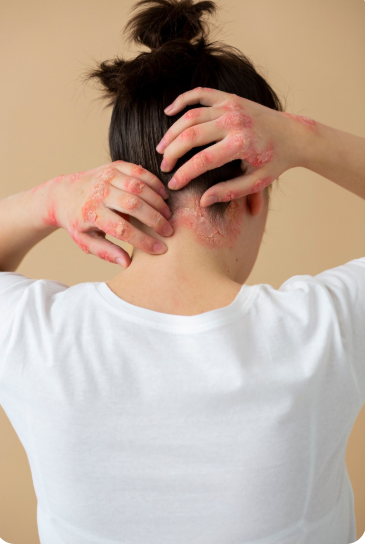
Overview Hansen’s Disease, commonly known as leprosy, is a chronic infectious disease caused by Mycobacterium leprae. In Korea, the incidence of Hansen’s Disease has significantly declined due to effective public health measures, early detection, and treatment programs. Specialized medical care is available for diagnosis, treatment, and rehabilitation, minimizing complications and social stigma. What is Hansen’s […]
Hand foot and mouth disease in Korea
Overview Hand, Foot and Mouth Disease (HFMD) is a contagious viral infection that primarily affects young children. In Korea, HFMD is commonly observed in childcare settings, especially during spring and summer months. While usually mild, timely medical care and hygiene practices are important to prevent complications and reduce transmission. What is Hand, Foot and Mouth […]
Hand and Finger Fractures in Korea
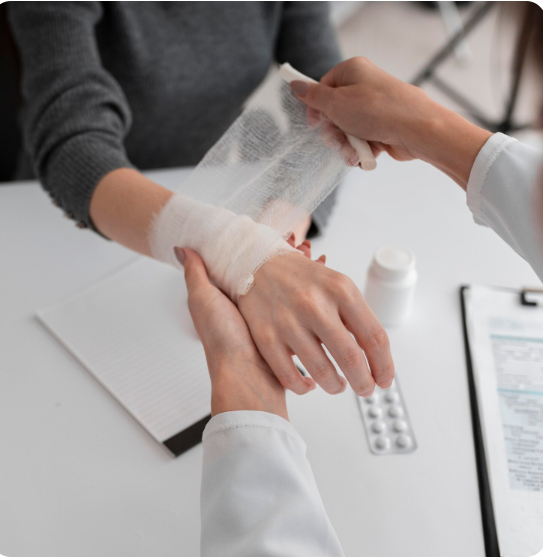
Overview Hand and finger fractures are common injuries resulting from trauma, sports, falls, or accidents. In Korea, advanced orthopedic and trauma care allows for precise diagnosis, effective treatment, and rehabilitation, minimizing long-term complications and restoring hand function. What is Hand and Finger Fractures? Hand and finger fractures refer to breaks in the bones of the […]
Hairloss (in men) in Korea
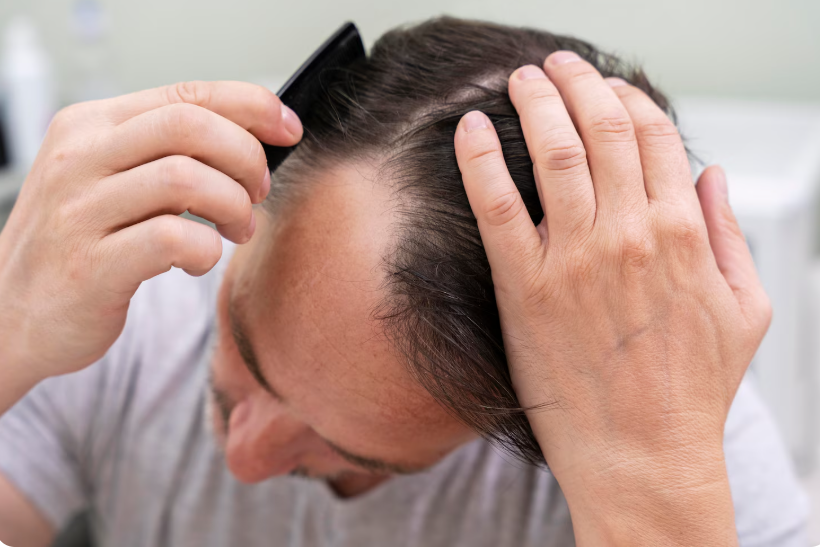
Overview Hair loss in men, also known as male pattern baldness or androgenetic alopecia, is a common condition affecting a significant portion of the male population in Korea. With the growing focus on cosmetic and medical solutions, Korean clinics offer advanced treatment options ranging from medications to hair transplantation, making early consultation important for effective […]
Haemorrhoids in Korea
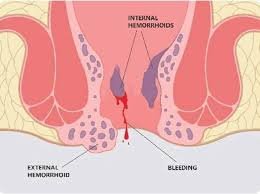
Overview Haemorrhoids are swollen veins in the lower rectum or anus that can cause discomfort, pain, and bleeding. In Korea, they are a common condition affecting adults of all ages. With modern medical care, minimally invasive procedures and lifestyle interventions are widely available to manage symptoms and prevent recurrence. What is Haemorrhoids? Haemorrhoids, also known […]
Haemophilus influenzae type b (Hib) in Korea
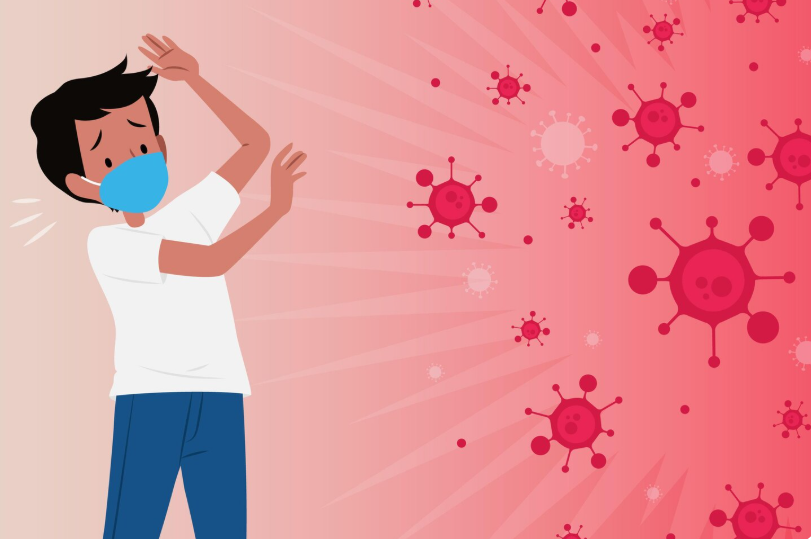
Overview Haemophilus influenzae type b (Hib) is a bacterial infection that can cause severe illness, particularly in young children. In Korea, Hib vaccination is part of the national immunization program, significantly reducing the incidence of Hib-related diseases such as meningitis, pneumonia, and epiglottitis. Early vaccination and prompt medical care are essential for prevention and effective […]
Haemophilia in Korea

Overview Haemophilia is a hereditary bleeding disorder that affects the blood’s ability to clot properly. In Korea, awareness and treatment of haemophilia have advanced significantly, with comprehensive care available in specialized hemophilia treatment centers and major hospitals. Early diagnosis and ongoing management are essential to prevent severe bleeding complications and maintain quality of life. What […]