
Heart murmur in Korea

Overview A heart murmur is an abnormal sound heard during a heartbeat, often described as a whooshing or swishing noise. While many murmurs are harmless (innocent), some indicate underlying heart conditions, such as valve abnormalities or congenital heart defects. In Korea, heart murmurs are assessed in cardiology clinics, where advanced diagnostics and treatments are available […]
Heart block in Korea
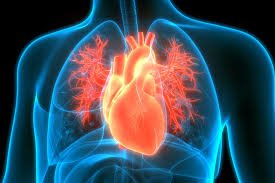
Overview Heart block is a condition in which the electrical signals that control the heartbeat are partially or completely blocked, leading to an abnormal heart rhythm (arrhythmia). It can range from mild and asymptomatic to severe, requiring medical intervention. In Korea, heart block is diagnosed and treated in cardiology and electrophysiology centers, where advanced monitoring […]
Hearing loss in Korea
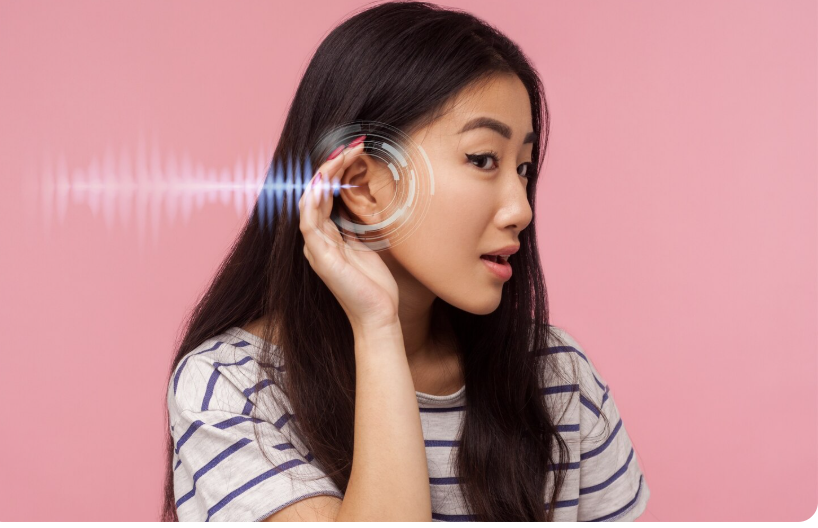
Overview Hearing loss is a common sensory disorder that can affect people of all ages, from infants to older adults. In Korea, it is a growing health concern due to aging populations, noise exposure, and ear infections, with advanced treatments available in specialized ENT and audiology clinics. What is Hearing Loss? Hearing loss refers to […]
Headache disorders in Korea

Overview Headache disorders are a common neurological complaint that can range from mild, occasional discomfort to severe, chronic pain affecting daily life. In Korea, these disorders are a significant public health concern, and specialized clinics provide diagnosis, treatment, and lifestyle guidance for effective management. What are Headache Disorders? Headache disorders encompass primary headaches (such as […]
Head tremor in Korea
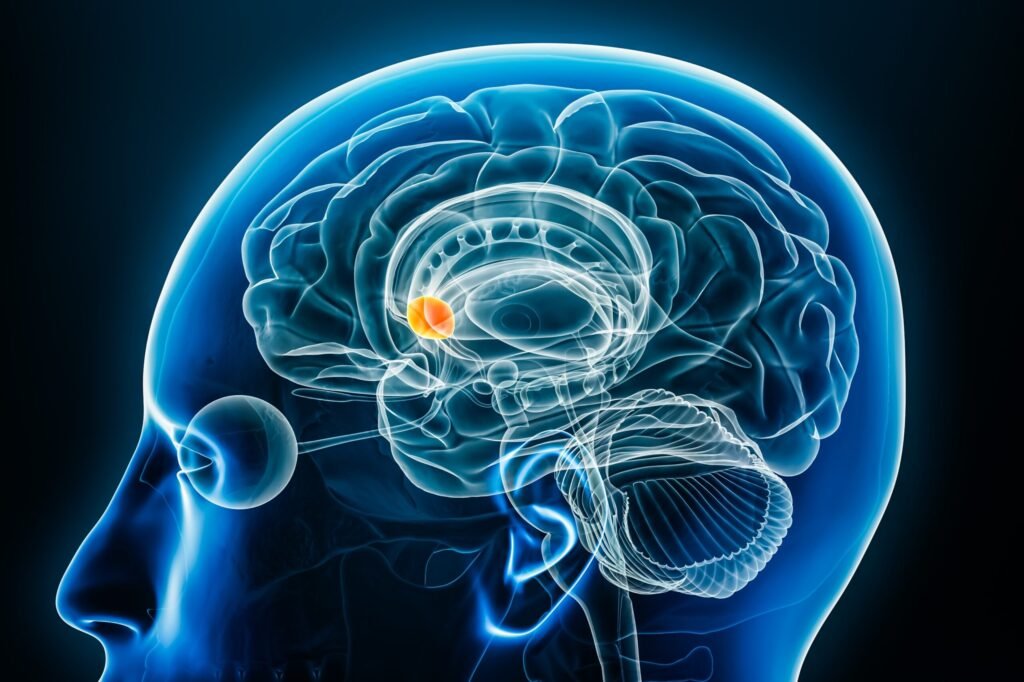
Overview Head tremor is an involuntary, rhythmic shaking of the head that can affect daily activities and social interactions. It is often associated with neurological disorders such as essential tremor or Parkinson’s disease. In Korea, patients with head tremor are evaluated in neurology clinics and movement disorder centers, where diagnosis, medication, and advanced therapies are […]
Head trauma in Korea
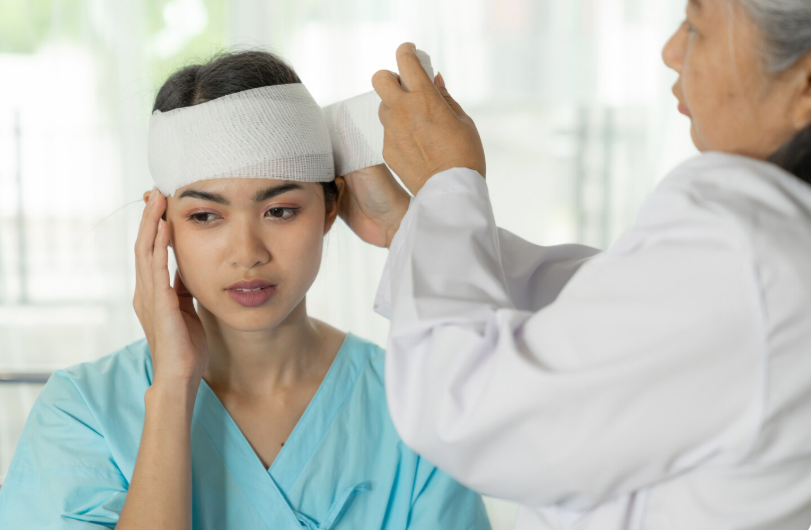
Overview Head trauma refers to any injury to the scalp, skull, or brain, ranging from minor bumps to severe traumatic brain injury (TBI). It is a significant health concern due to its potential for long-term neurological complications. In Korea, head trauma is treated in emergency departments, neurosurgery units, and rehabilitation centers, with an emphasis on […]
Head and neck cancer in Korea
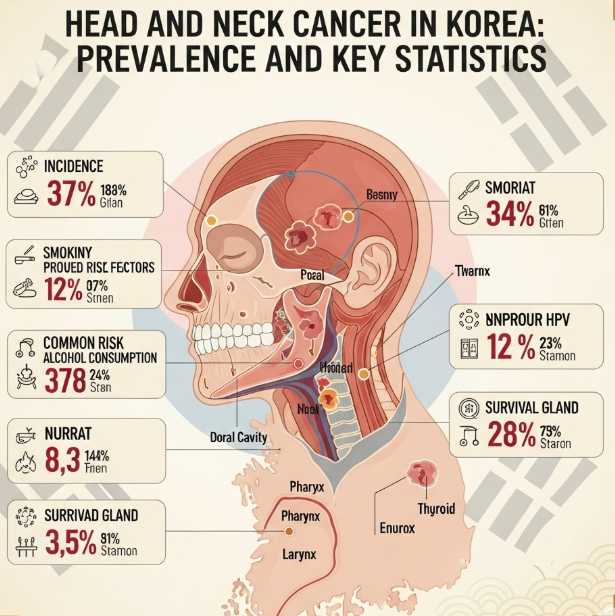
Overview Head and neck cancer encompasses malignant tumors that develop in the mouth, throat, larynx, sinuses, or salivary glands. These cancers can significantly affect speech, swallowing, breathing, and appearance. In Korea, head and neck cancers are managed in specialized oncology centers, offering early detection, advanced surgery, radiation therapy, and targeted treatments. Korean hospitals emphasize a […]
Hay–Wells syndrome in Korea
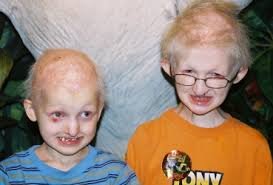
Overview Hay–Wells syndrome, also known as AEC (Ankyloblepharon-Ectodermal defects-Cleft lip/palate) syndrome, is a rare genetic disorder affecting the development of the skin, hair, nails, and facial structures. It can cause distinctive facial features, skin abnormalities, and cleft palate, impacting both appearance and function. In Korea, Hay–Wells syndrome is primarily managed in genetic, dermatology, and craniofacial […]
Hassall-Henle bodies in Korea
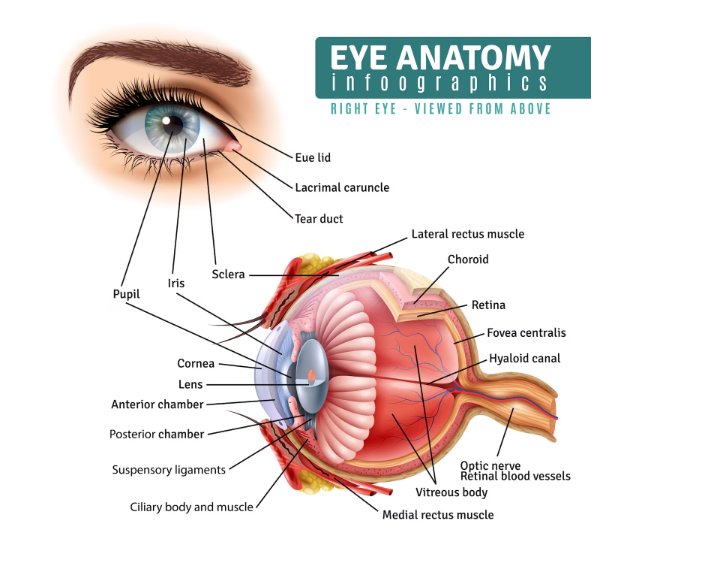
Overview Hassall-Henle bodies are small, benign calcifications found in the thymus gland, commonly associated with aging. They are typically incidental findings during imaging or histological examinations and generally do not cause symptoms or health problems. In Korea, Hassall-Henle bodies are mainly observed in pathology and radiology departments during evaluations for thymic abnormalities or chest imaging […]
Hashimoto encephalopathy in Korea
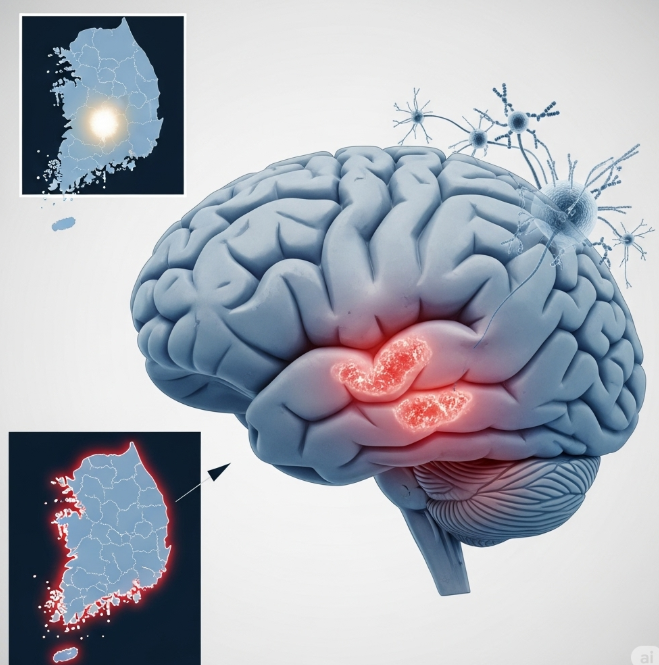
Overview Hashimoto encephalopathy (HE) is a rare, autoimmune-related neurological disorder associated with Hashimoto’s thyroiditis. It causes cognitive dysfunction, seizures, confusion, and sometimes psychiatric symptoms, despite normal or mildly abnormal thyroid hormone levels. In Korea, HE is recognized in specialized neurology and endocrinology centers. Korean hospitals provide comprehensive diagnostic testing, immunotherapy, and long-term neurological management to […]