
Hemolytic anemia in Korea

Overview Hemolytic anemia is a condition where red blood cells are destroyed faster than they can be produced, leading to reduced oxygen delivery in the body. In Korea, patients with hemolytic anemia receive advanced hematology care, including diagnostic testing, medication management, and specialized treatment for both acquired and hereditary forms. What is Hemolytic Anemia? Hemolytic […]
Hemodialysis complications in Korea
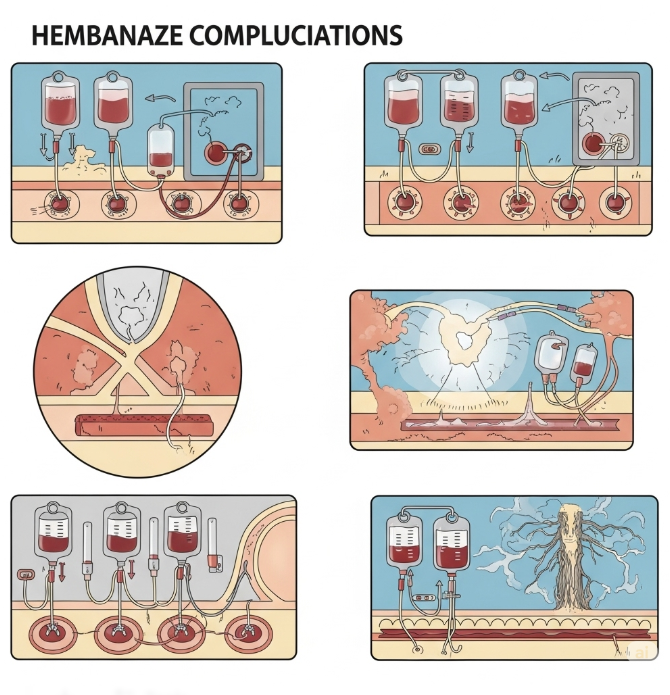
Overview Hemodialysis is a life-saving treatment for patients with chronic kidney disease (CKD) or kidney failure, but it can sometimes lead to complications. In Korea, advanced nephrology centers and dialysis units provide comprehensive monitoring, preventive care, and management strategies to reduce these risks. What is Hemodialysis Complications? Hemodialysis complications refer to adverse effects or health […]
Hemoconcentration in Korea
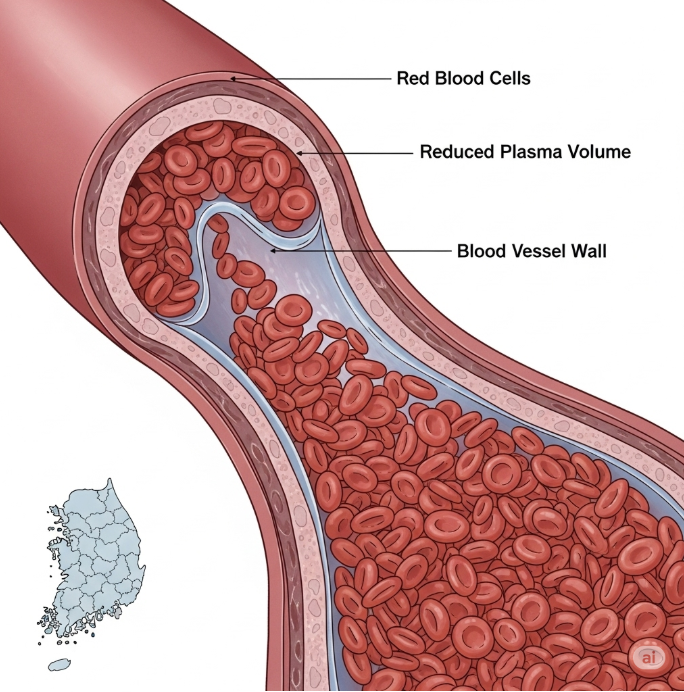
Overview Hemoconcentration is a condition in which the proportion of red blood cells in the blood increases due to a reduction in plasma volume. It can result from dehydration, fluid loss, or other medical conditions affecting fluid balance. In Korea, hemoconcentration is commonly monitored in hospitals during emergency care, surgery, and treatment of illnesses like […]
Hemocholecystitis in Korea
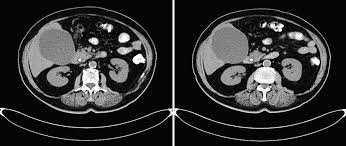
Overview Hemocholecystitis is a rare condition characterized by inflammation of the gallbladder accompanied by bleeding. It often results from gallstones, trauma, infection, or vascular disorders affecting the gallbladder. In Korea, advanced gastroenterology and hepatobiliary surgery centers provide comprehensive diagnosis and treatment options for this uncommon but potentially serious condition. What is Hemocholecystitis? Hemocholecystitis occurs when […]
Hemiplegia in Korea

Overview Hemiplegia is a complete paralysis of one side of the body, typically resulting from stroke, brain injury, cerebral palsy, or neurological disorders. Unlike hemiparesis, which involves partial weakness, hemiplegia causes total loss of movement and function on the affected side. In Korea, hemiplegia is managed through advanced neurology and rehabilitation programs to improve patient […]
Hemiparesis in Korea
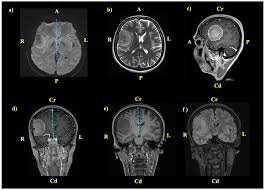
Overview Hemiparesis is a partial weakness or reduced movement on one side of the body. It is often a consequence of neurological conditions such as stroke, traumatic brain injury, or brain tumors. In Korea, hemiparesis is a common complication after stroke, and specialized rehabilitation programs are available to help patients regain strength, mobility, and independence. […]
Hematoma in Korea
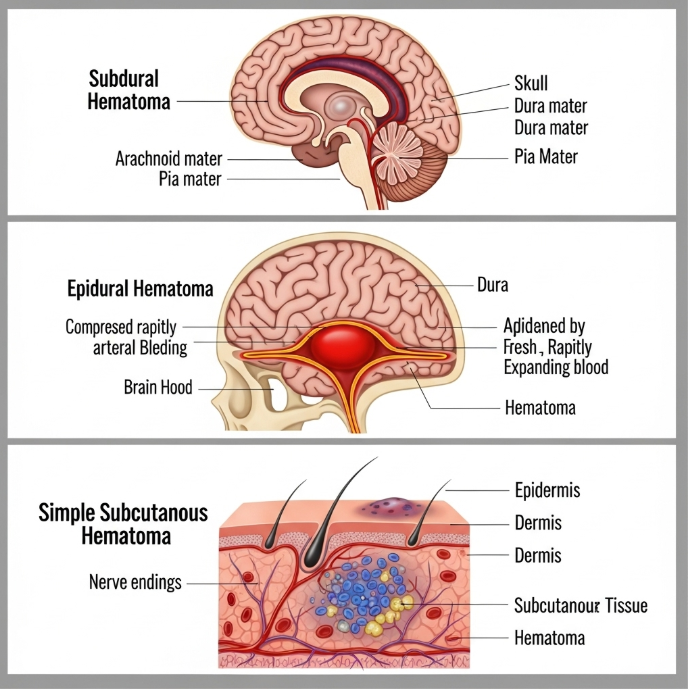
Overview A hematoma is a localized collection of blood outside blood vessels, usually caused by injury or trauma. Hematomas can occur anywhere in the body, including the skin, muscles, internal organs, or brain. In Korea, hematomas are commonly treated in emergency medicine, orthopedic, and neurosurgical departments depending on their location and severity. Advanced imaging and […]
Hematocrit abnormalities in Korea

Overview Hematocrit (Hct) abnormalities refer to deviations in the proportion of red blood cells (RBCs) in the blood. Either a low hematocrit (anemia) or high hematocrit (polycythemia) can signal underlying health problems. In Korea, hematocrit levels are routinely checked during annual health screenings and diagnostic blood tests, as early detection is vital for managing cardiovascular, […]
Hemianopia in Korea
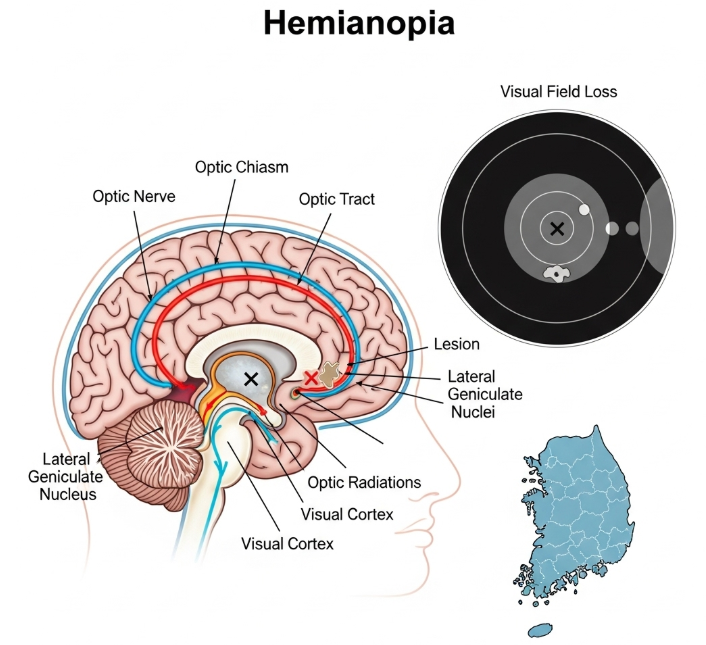
Overview Hemianopia (also called hemianopsia) is a vision loss affecting half of the visual field in one or both eyes. It is not an eye disease itself but rather a neurological condition caused by damage to the brain’s visual pathways, often due to stroke, brain injury, or tumors. In Korea, with its advanced neurology, neurosurgery, […]
Hematuria in Korea

Overview Hematuria refers to the presence of blood in urine, which may be visible to the naked eye (gross hematuria) or detectable only under a microscope (microscopic hematuria). While it is not a disease itself, hematuria is a symptom of an underlying condition that may involve the kidneys, bladder, prostate, or urinary tract. In Korea, […]