
Microcephaly in Korea

Overview Microcephaly is a rare neurological condition in which a baby is born with a significantly smaller head than expected, often due to abnormal brain development. It can occur as an isolated condition or as part of a syndrome affecting multiple organs. In Korea, microcephaly is monitored carefully through prenatal screenings and neonatal check-ups. The […]
Metabolic Syndrome in Korea

Overview Microcephaly is a rare neurological condition in which a baby is born with a significantly smaller head than expected, often due to abnormal brain development. It can occur as an isolated condition or as part of a syndrome affecting multiple organs. In Korea, microcephaly is monitored carefully through prenatal screenings and neonatal check-ups. The […]
Mesothelioma in Korea

Overview Mesothelioma is a rare and aggressive cancer that affects the thin lining of the lungs, chest, abdomen, or heart (the mesothelium). It is most commonly caused by long-term asbestos exposure, which damages mesothelial cells over time. Mesothelioma often presents at an advanced stage, making treatment challenging. In Korea, the disease is uncommon but significant, […]
Merkel Cell Carcinoma in Korea

Overview Merkel Cell Carcinoma (MCC) is a rare but aggressive form of skin cancer that originates from Merkel cells, which are responsible for touch sensation in the skin. It often presents as a fast-growing, painless, red or purple nodule and has a high potential for recurrence and metastasis. In Korea, while MCC is relatively rare […]
Meningitis in Korea

Overview Meningitis is an inflammation of the protective membranes (meninges) surrounding the brain and spinal cord. It can be caused by bacterial, viral, fungal, or parasitic infections, and sometimes by non-infectious factors such as autoimmune diseases or medications. Bacterial meningitis is the most serious form and can be life-threatening if not treated promptly. In Korea, […]
Meniere’s Disease in Korea

Overview Meniere’s disease is a chronic disorder of the inner ear that affects both balance and hearing. It is characterized by recurring episodes of vertigo (spinning sensation), hearing loss, tinnitus (ringing in the ears), and a feeling of fullness in the ear. The exact cause remains unknown, but it is thought to be related to […]
Melanoma in Korea

Overview Melanoma is a serious and aggressive form of skin cancer that develops in the melanocytes, the pigment-producing cells responsible for skin color. While it is less common than other skin cancers, melanoma is far more dangerous due to its tendency to spread (metastasize) rapidly to other organs. In Korea, melanoma is relatively rare compared […]
Medullary Thyroid Cancer in Korea
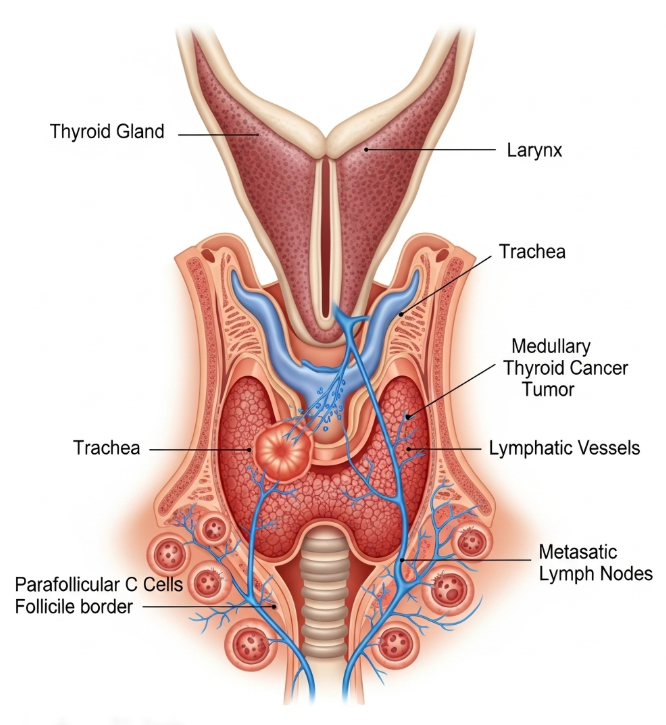
Overview Medullary thyroid cancer (MTC) is a rare type of thyroid cancer that originates from the parafollicular C-cells of the thyroid gland, which produce the hormone calcitonin. Unlike the more common papillary and follicular thyroid cancers, MTC is often more aggressive and can spread to the lymph nodes, liver, lungs, or bones. It accounts for […]
Meckel’s Diverticulum in Korea
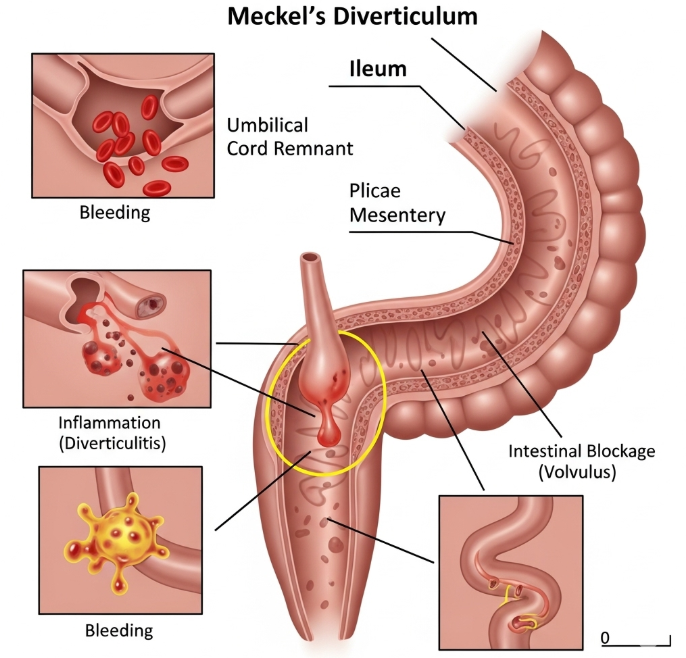
Overview Meckel’s diverticulum is the most common congenital abnormality of the small intestine, occurring in about 2% of the population. It is a pouch (diverticulum) present in the lower part of the small intestine, usually formed from leftover tissue of the embryonic yolk sac. While many people remain asymptomatic, complications such as bleeding, obstruction, or […]
Measles in Korea

Overview Measles is a highly contagious viral disease that spreads through respiratory droplets and close contact. While largely controlled in many countries due to vaccination, occasional outbreaks still occur in Korea, especially when imported cases spread among unvaccinated individuals. Korea has a high vaccination coverage rate, and public health authorities, including the Korea Disease Control […]