
Endocarditis in korea

treated. In South Korea, advanced diagnostics, antibiotics, and cardiac care are available to manage endocarditis effectively. What is Endocarditis? Endocarditis occurs when bacteria, fungi, or other microorganisms enter the bloodstream and attach to the heart lining or valves. It is commonly associated with damaged heart valves, prosthetic valves, congenital heart defects, or intravenous drug use. […]
Encephalitis in korea

Overview Encephalitis is a serious condition involving inflammation of the brain, usually caused by viral infections, though bacteria, fungi, and autoimmune reactions can also trigger it. The inflammation can lead to neurological damage, seizures, and life-threatening complications if not promptly treated. South Korea provides advanced diagnostic tools, antiviral therapies, and intensive care to manage encephalitis […]
Emphysema in korea
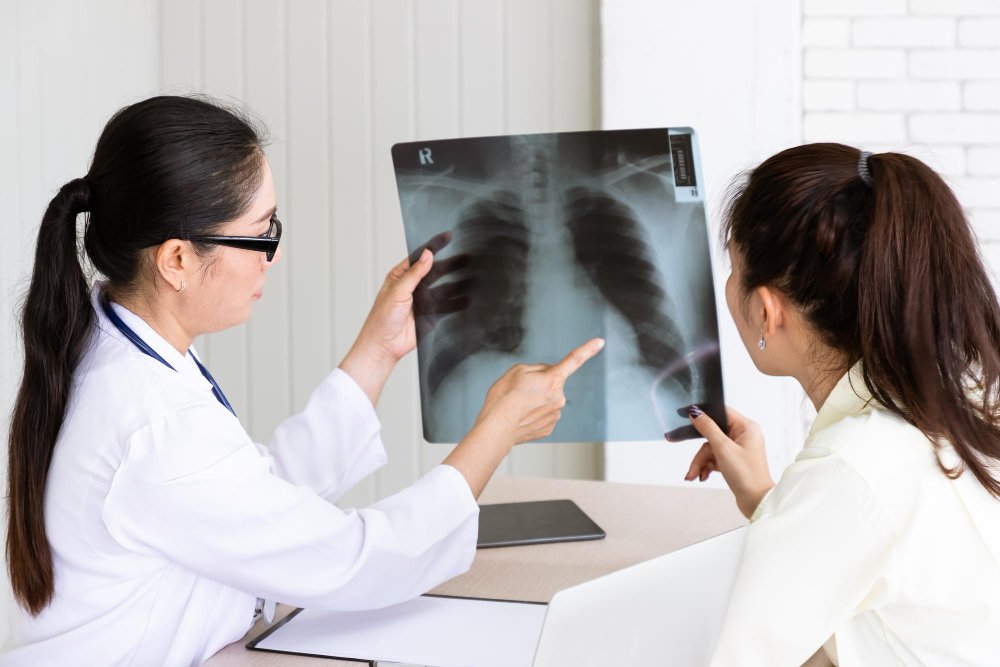
Overview Emphysema is a chronic lung condition characterized by damage to the alveoli, the tiny air sacs in the lungs responsible for gas exchange. Over time, the walls of the alveoli weaken and rupture, reducing the surface area for oxygen absorption and making it difficult to breathe. Emphysema is a major component of chronic obstructive […]
Elephantiasis in korea
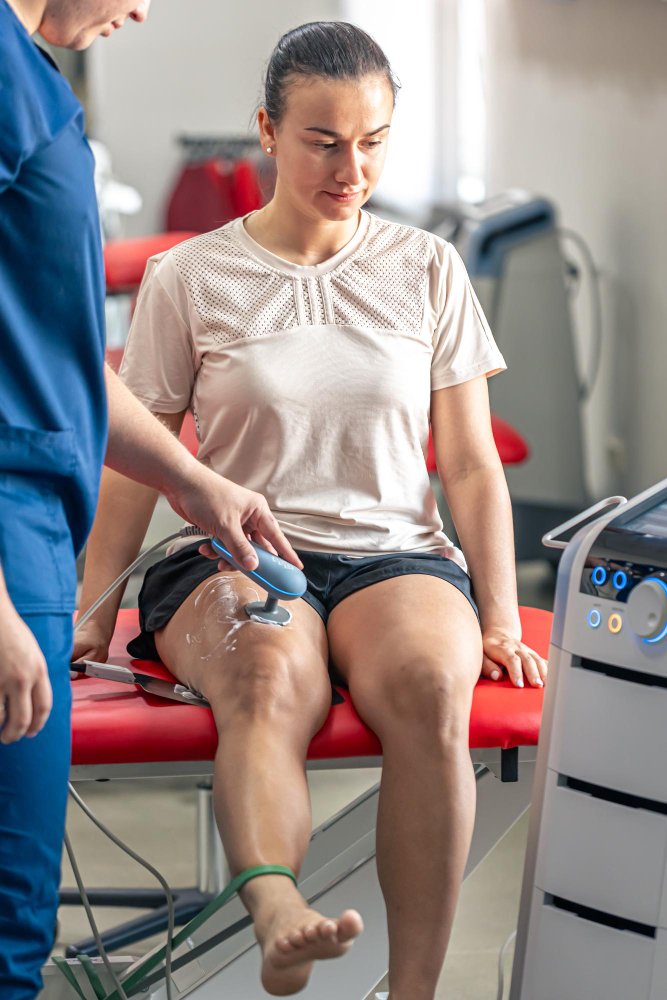
Overview Elephantiasis, medically known as lymphatic filariasis, is a chronic condition characterized by severe swelling and thickening of the skin and underlying tissues, most commonly in the legs, arms, and genital areas. The condition is caused by blockage of the lymphatic system, often due to parasitic infections. While elephantiasis is rare in South Korea, cases […]
Electric shocks and burns in korea

Overview Electric shocks and burns are injuries caused by exposure to electricity or heat, which can damage the skin, muscles, nerves, and internal organs. Severity ranges from minor superficial burns to life-threatening injuries involving cardiac arrest or organ damage. In South Korea, these injuries can occur at home, workplaces, or industrial sites. Hospitals in Korea […]
Egg allergy in korea

Overview Egg allergy is one of the most common food allergies, particularly in children, though it can also affect adults. It occurs when the body’s immune system reacts abnormally to proteins found in egg whites or egg yolks. While many children may outgrow the allergy, some continue to have it throughout adulthood. In Korea, awareness […]
Edwards syndrome in korea

Overview Ectopic pregnancy is a serious medical condition in which a fertilized egg implants and begins to develop outside the uterus, most commonly in the fallopian tubes. It is a life-threatening condition if not diagnosed and treated promptly because it can cause internal bleeding and shock. In South Korea, advanced diagnostic imaging and surgical options […]
Eczema in korea

Overview Eczema, also known as atopic dermatitis, is a chronic inflammatory skin condition that causes red, itchy, and irritated skin. It often develops in childhood but can affect individuals at any age. Eczema is not contagious, but it can significantly impact quality of life due to persistent itching, skin damage, and emotional distress. In South […]
Ectopic pregnancy in korea

Overview Ectopic pregnancy is a medical condition in which a fertilized egg implants outside the uterine cavity, most commonly in the fallopian tube. Unlike a normal pregnancy, an ectopic pregnancy cannot develop into a viable fetus. If left untreated, it can cause life-threatening complications such as rupture, severe internal bleeding, and damage to reproductive organs. […]
Ebola virus in korea

Overview Ebola virus disease (EVD), also known as Ebola hemorrhagic fever, is a rare but severe viral infection caused by the Ebola virus. While primarily reported in certain African countries, South Korea has protocols in place for early detection, treatment, and containment to prevent outbreaks. EVD can be life-threatening, with high mortality rates if not […]