
Tissue expansion in Korea

What It Is Tissue expansion is a reconstructive surgical technique that gradually stretches the skin by inserting an expandable balloon-like device (called a tissue expander) beneath it. Over several weeks or months, the expander is slowly filled with saline solution, causing the skin to stretch and grow. Once enough skin has developed, the expander is […]
Paramedian forehead flap in Korea
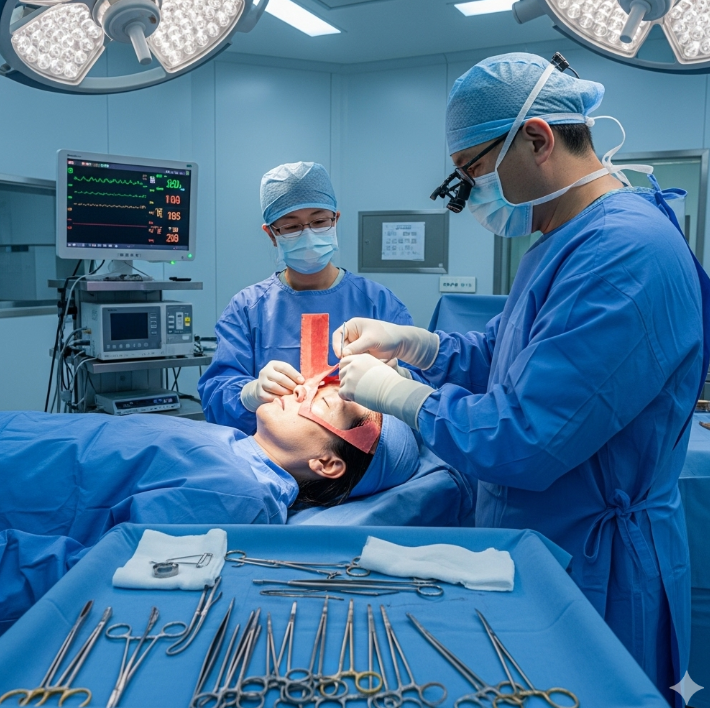
What It Is The paramedian forehead flap is a reconstructive surgical technique used to repair defects of the nose, typically after skin cancer removal, trauma, or other conditions that leave significant tissue loss. It involves taking skin from the forehead, which closely matches nasal skin in color and texture, and transferring it to the nose […]
Bilobed flap in Korea
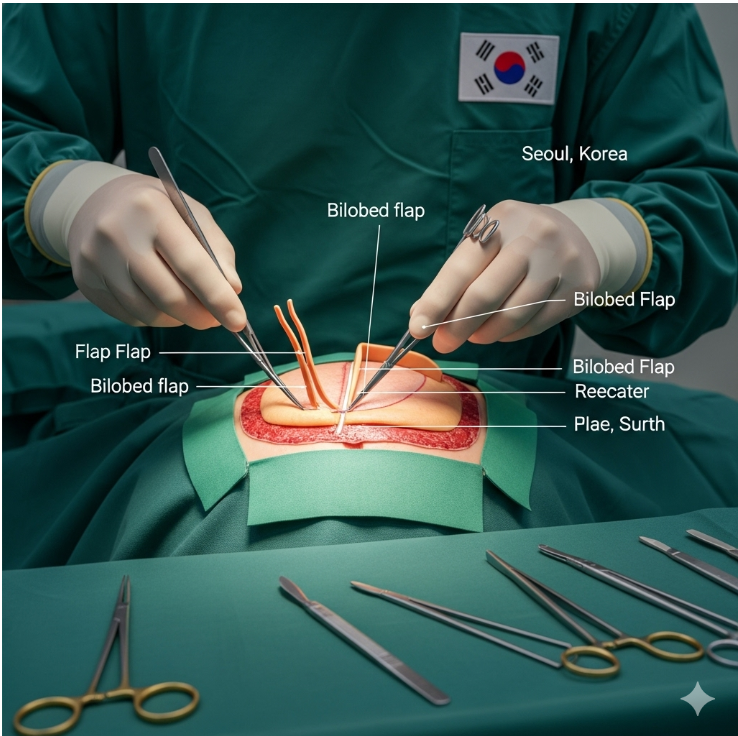
What It Is A bilobed flap is a reconstructive surgical technique used to repair skin defects, most commonly on the nose. It involves creating two connected flaps of nearby skin, which are rotated in sequence to cover the defect. This design allows the surgeon to redistribute tension, minimize distortion, and use skin with similar color […]
Rotation flap in Korea
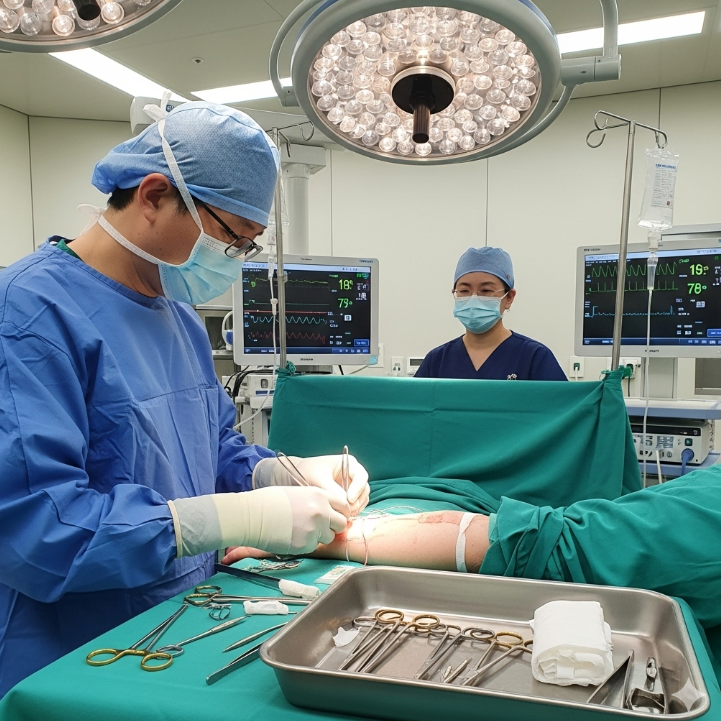
What It Is A rotation flap is a local reconstructive surgery technique in which adjacent skin and soft tissue are rotated in an arc-shaped fashion to cover a nearby wound or defect. Unlike an advancement flap that moves tissue straight forward, the rotation flap uses a curved incision to swing skin into place, allowing for […]
Advancement flap in Korea
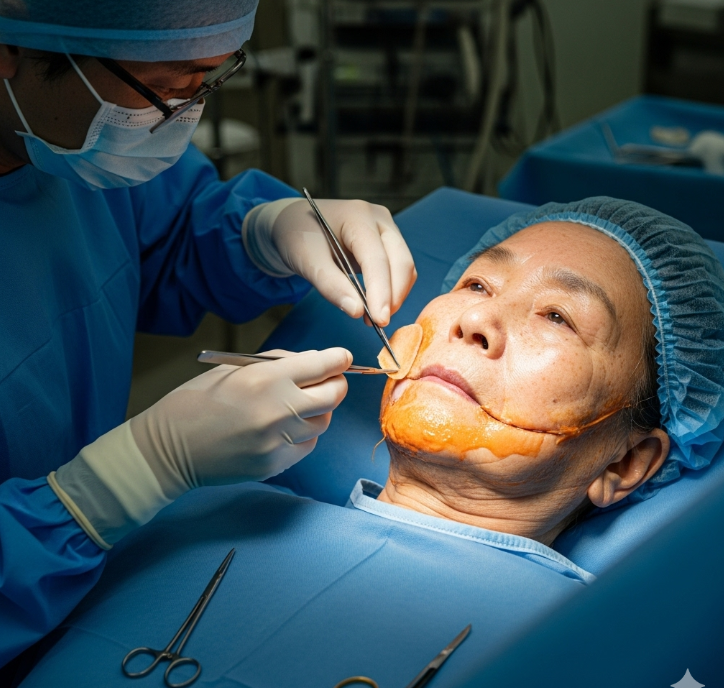
What It Is An advancement flap is a local reconstructive surgery technique in which nearby skin and tissue are moved directly forward to cover a defect, without significant rotation or transposition. Unlike skin grafts, advancement flaps keep their original blood supply, which helps ensure better survival, color match, and texture. This method is commonly used […]
Transposition flap in Korea
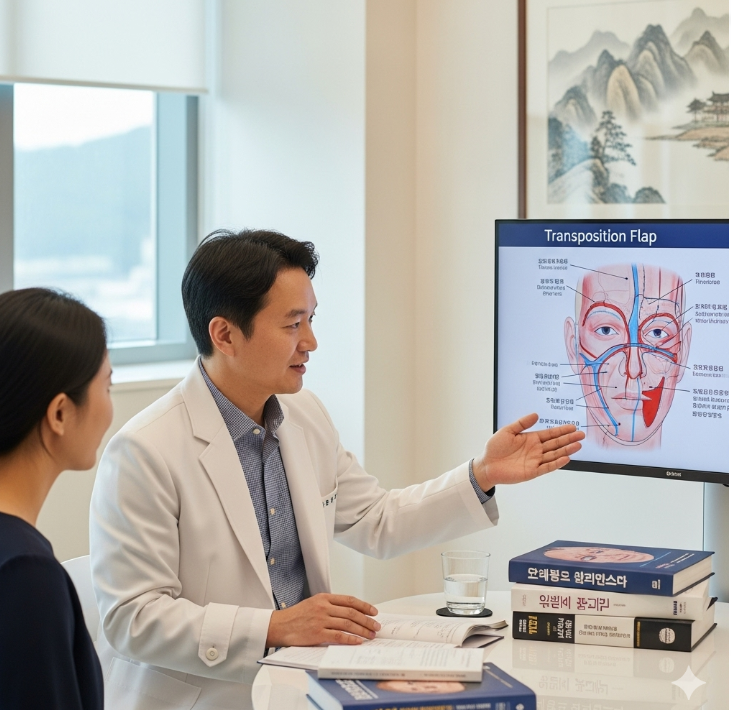
What It Is A transposition flap is a reconstructive surgery technique that uses a triangular or rectangular section of nearby skin and soft tissue, which is lifted and moved over an area of intact skin to cover a defect. Unlike advancement or rotation flaps, transposition flaps cross over adjacent tissue to reach the wound, making […]
Local flap reconstruction in Korea
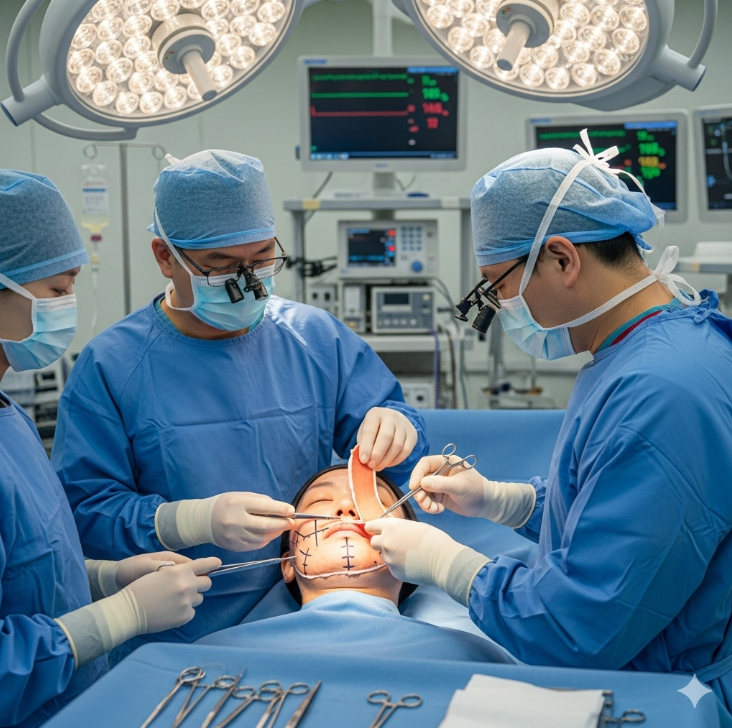
What It Is Local flap reconstruction is a reconstructive surgical procedure that uses adjacent healthy tissue near a wound or defect to cover and repair it. Unlike skin grafts, which take tissue from a distant donor site, local flaps are created by partially lifting skin and underlying tissue next to the defect while keeping a […]
Skin graft full-thickness in Korea
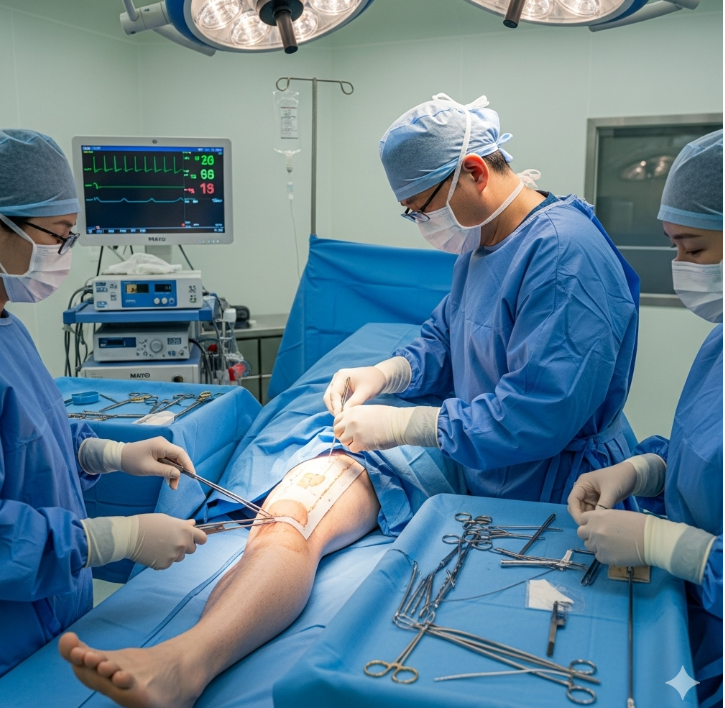
What It Is A split-thickness skin graft (STSG) is a reconstructive surgical procedure where a thin layer of skin is taken from one area of the body (the donor site) and transplanted to cover a wound, burn, or scarred area that cannot heal on its own. The graft includes the epidermis and part of the […]
Skin graft split-thickness in Korea
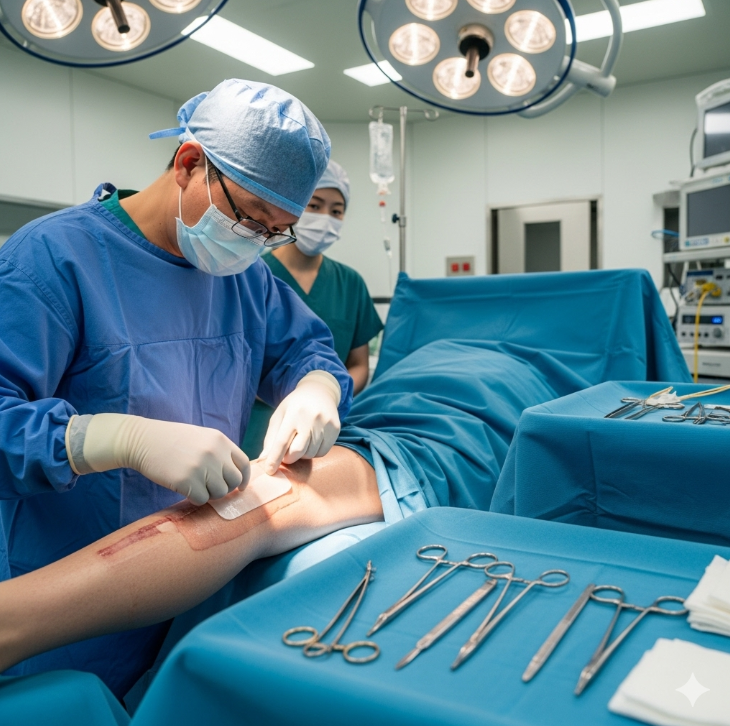
What It Is A split-thickness skin graft (STSG) is a reconstructive surgical procedure where a thin layer of skin is taken from one area of the body (the donor site) and transplanted to cover a wound, burn, or scarred area that cannot heal on its own. The graft includes the epidermis and part of the […]
Calf reduction (selective neurectomy) in Korea
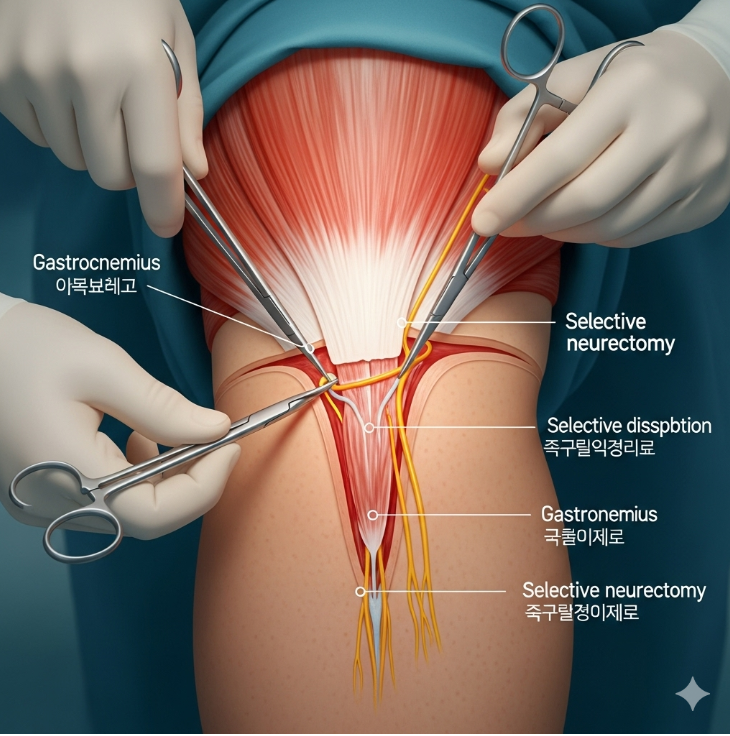
What It Is Selective neurectomy for calf reduction is a surgical procedure that reduces calf size by partially cutting or removing specific nerves that stimulate the calf muscles, primarily the gastrocnemius. By limiting muscle activity, the muscle gradually decreases in size, resulting in slimmer calves. In Korea, this is considered an advanced cosmetic procedure, performed […]