
Sjogren’s syndrome in Korea
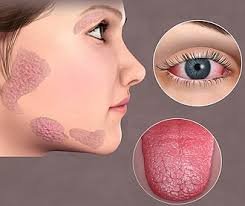
Overview Sjögren’s syndrome is a chronic autoimmune disorder in which the body’s immune system attacks the moisture-producing glands, leading to dryness of the eyes, mouth, and other parts of the body. While it can occur alone (primary Sjögren’s) or alongside other autoimmune diseases like lupus or rheumatoid arthritis (secondary Sjögren’s), the condition can significantly affect […]
Skin cancer in Korea
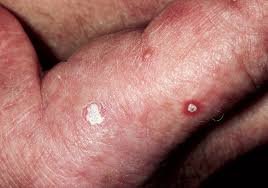
Overview Skin cancer is one of the most common types of cancer globally, but it has a relatively low incidence in Korea due to the population’s lower melanin-related vulnerability and cultural emphasis on sun protection. However, cases are increasing due to changing lifestyles, aging population, and higher UV exposure. Korea provides advanced diagnostic tools, surgical […]
Skin staph infections in Korea

Overview Skin tags, medically known as acrochordons, are soft, benign skin growths that often appear in areas where skin folds or rubs together. While harmless, they can be bothersome due to their appearance or irritation from clothing or jewelry. In Korea, skin tag removal is a common and accessible dermatological procedure available at clinics and […]
Scurvy in Korea

Overview Scurvy is a disease caused by a deficiency of vitamin C (ascorbic acid), which is essential for collagen synthesis and various metabolic functions. Though rare in modern developed countries like Korea, scurvy can still occur in people with poor nutrition, certain medical conditions, or malabsorption issues. Early diagnosis and treatment can completely reverse symptoms. […]
Seasonal affective disorder (SAD) in Korea
Overview Seasonal Affective Disorder (SAD) is a type of depression that occurs at a specific time of the year, usually during the fall and winter months when daylight hours are shorter. SAD can significantly impact mood, energy levels, and daily functioning. In Korea, awareness and treatment options for SAD have increased alongside growing mental health […]
Seasonal flu (influenza) in Korea

Overview Seasonal flu, or influenza, is a contagious respiratory illness caused by influenza viruses that circulate worldwide annually, especially in colder months. In Korea, seasonal flu affects millions every year and can lead to significant health complications, particularly in vulnerable populations such as the elderly, young children, and those with chronic illnesses. What is Seasonal […]
Seborrhoeic dermatitis in Korea

Overview Seborrhoeic Dermatitis is a common chronic inflammatory skin condition characterized by red, flaky, and itchy patches, primarily affecting areas rich in oil-producing glands such as the scalp, face, and upper chest. It can cause discomfort and cosmetic concerns. In Korea, dermatologists use a combination of topical treatments and advanced therapies to effectively manage this […]
Seizures in Korea

Overview Seizures are sudden, uncontrolled electrical disturbances in the brain that can cause changes in behavior, movements, feelings, or consciousness. In Korea, seizures are commonly recognized and treated by neurologists in both children and adults. Seizures may occur once or repeatedly, and recurrent seizures are often classified as epilepsy. What is Seizures? A seizure is […]
Seizures (epilepsy) in Korea

Overview Epilepsy is a neurological condition characterized by recurrent, unprovoked seizures caused by abnormal electrical activity in the brain. In South Korea, epilepsy affects tens of thousands of people, with both pediatric and adult cases widely recognized and treated. While epilepsy is manageable, it often comes with social stigma and challenges in education, employment, and […]
Self-harm in Korea

verview Self-harm, also known as non-suicidal self-injury (NSSI), is the deliberate act of causing harm to one’s body as a coping mechanism for emotional distress. In South Korea, rising rates of self-harm—especially among adolescents and young adults—have become a pressing public health concern. Though not always linked to suicide, self-harm can be a strong indicator […]