
Staph infections (invasive) in Korea
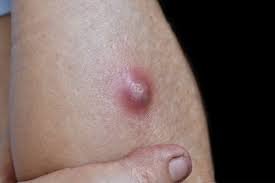
Overview Invasive staph infections are serious conditions caused by Staphylococcus aureus bacteria entering the bloodstream or deep tissues. Unlike skin infections, invasive infections can affect organs such as the lungs, heart, bones, and joints, and may become life-threatening. In Korea, increasing awareness and advancements in hospital hygiene protocols have helped reduce cases, but antibiotic-resistant strains […]
Staph infections (skin) in Korea

Overview Staph infections are caused by Staphylococcus bacteria, a group of germs commonly found on the skin or in the nose. While often harmless, these bacteria can sometimes cause skin infections that range from minor irritations to serious, potentially life-threatening conditions. In Korea, skin-related staph infections are frequently seen in clinics and hospitals, especially among […]
Sticky eye (conjunctivitis) in Korea

Overview Sticky eye, medically known as conjunctivitis, is a common eye condition that can affect people of all ages. It involves inflammation or infection of the conjunctiva — the transparent membrane that lines the eyelid and covers the white part of the eyeball. In Korea, conjunctivitis is commonly reported during seasonal changes and is typically […]
Stings and bites (sea creatures) in Korea
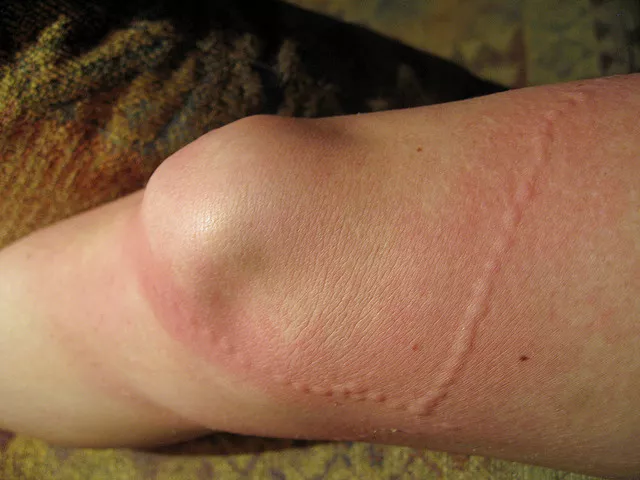
Overview Stings and bites from sea creatures are relatively rare but can occur in Korea’s coastal waters, especially during the summer months when marine activity increases. These injuries can range from mild irritation to severe allergic reactions or systemic symptoms, depending on the species involved. What are Stings and Bites (Sea Creatures)? These refer to […]
Sexually Transmitted Infections (STI) in Korea

Overview Sexually transmitted infections (STIs), also called sexually transmitted diseases (STDs), are infections that are primarily spread through sexual contact. In Korea, while the prevalence of STIs is lower than in some other countries due to social norms and healthcare access, cases are rising, especially among younger and older adults due to changing sexual behaviors […]
Stomach cancer in Korea
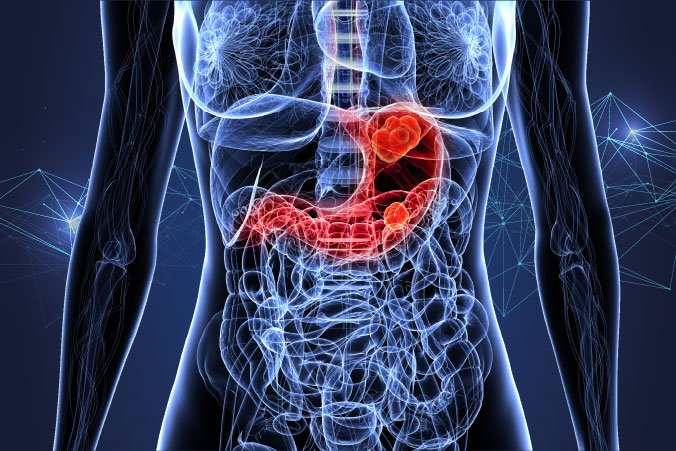
Overview Stomach cancer, also known as gastric cancer, is a malignant tumor that develops from the lining of the stomach. Korea has one of the highest rates of stomach cancer globally, but it also has advanced screening programs and effective treatment options, contributing to improved survival rates. What is Stomach Cancer? Stomach cancer begins when […]
Stomach ulcers in Korea

Overview Stomach ulcers, also known as gastric ulcers, are painful sores that develop in the lining of the stomach. They are a common gastrointestinal condition in Korea, often associated with Helicobacter pylori (H. pylori) infection or excessive use of certain medications. Due to Korea’s dietary habits, stress levels, and high rates of H. pylori infection, […]
Slapped cheek syndrome in Korea
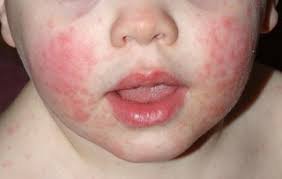
Overview Slapped cheek syndrome, also known as fifth disease or erythema infectiosum, is a common viral infection primarily affecting children. It is caused by parvovirus B19 and is characterized by a distinctive red rash on the cheeks, giving the appearance of having been slapped—hence the name. In Korea, the condition is recognized by pediatricians and […]
Sleep paralysis in Korea

Overview Sleep paralysis is a temporary inability to move or speak while falling asleep or upon waking. It can be a frightening experience, often accompanied by hallucinations or a sensation of pressure on the chest. In Korea, sleep paralysis—locally referred to as “gawi nulrigi” (가위 눌리기)—is widely recognized in both medical and cultural contexts. While […]
Sleepwalking in Korea

Overview Sleepwalking, also known as somnambulism, is a sleep disorder that involves walking or performing other complex behaviors while in a state of partial arousal from deep sleep. Though commonly seen in children, sleepwalking can also occur in adults and may be linked to stress, sleep deprivation, or underlying medical conditions. In Korea, sleepwalking is […]