
Stuttering in Korea

Overview Stuttering is a speech disorder characterized by frequent disruptions in the flow of speech, such as repetitions, prolongations, or involuntary pauses. It typically begins in childhood and may persist into adulthood if not treated early. In Korea, stuttering is increasingly recognized as a treatable condition, with growing access to speech-language therapy, psychological support, and […]
Stye in Korea

Overview A stye is a red, painful bump that forms on the edge of the eyelid due to a bacterial infection of the eyelash follicle or oil gland. Though typically harmless, it can cause discomfort, swelling, and cosmetic concern. In Korea, styes are commonly treated by ophthalmologists and dermatologists, with many clinics offering both medical […]
Sunburn and sun protection in Korea

Overview Sunburn is a common skin condition caused by excessive exposure to ultraviolet (UV) radiation from the sun or artificial sources like tanning beds. It can cause redness, pain, swelling, and in severe cases, blistering and peeling. In Korea, especially during the hot summer months (June to August), UV levels can be high, making sun […]
Swallowed object (swallowed accidentally) in Korea

Overview Accidentally swallowing a foreign object is a common emergency, particularly in children, elderly individuals, and people with swallowing disorders. The object may pass harmlessly through the gastrointestinal tract or cause serious complications. In Korea, modern hospitals are well-equipped to diagnose and manage such cases through endoscopy, imaging, and minimally invasive procedures. What is a […]
Syndrome X in Korea

Overview Syndrome X, more commonly known as Metabolic Syndrome, is a cluster of interconnected health conditions—including abdominal obesity, high blood pressure, elevated blood sugar, and abnormal cholesterol levels—that together increase the risk of heart disease, stroke, and type 2 diabetes. In Korea, the prevalence of Metabolic Syndrome has been rising steadily, largely due to changes […]
Syphilis in Korea

Overview Syphilis is a sexually transmitted infection (STI) caused by the bacterium Treponema pallidum. If left untreated, it can progress through several stages, causing serious complications in multiple organs. In Korea, syphilis cases have fluctuated over recent years, with increasing public health attention given to STI prevention, early diagnosis, and comprehensive treatment services. What is […]
Systemic lupus erythematosus in Korea

Overview Systemic Lupus Erythematosus (SLE) is a chronic autoimmune disease where the body’s immune system mistakenly attacks healthy tissues. It can affect multiple organs including the skin, joints, kidneys, brain, and blood vessels. In Korea, SLE is recognized as a serious chronic condition requiring ongoing treatment, with specialized care available at major hospitals equipped with […]
Syncope in Korea

Syncope in Korea Overview Syncope, commonly known as fainting or passing out, is a sudden temporary loss of consciousness usually caused by a drop in blood flow to the brain. While often harmless, it can sometimes signal serious underlying health issues. In Korea, syncope is a relatively common complaint seen in emergency departments and outpatient […]
Systemic sclerosis in Korea
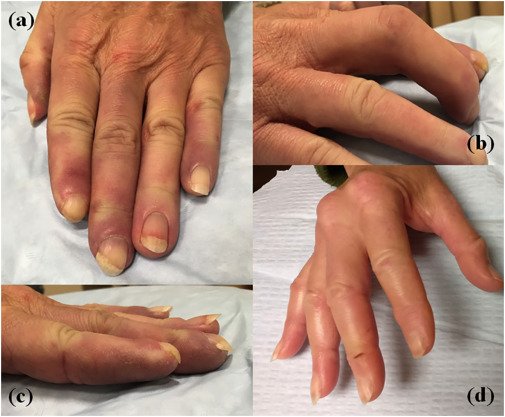
Overview Systemic sclerosis, also known as scleroderma, is a rare autoimmune disease that causes hardening and tightening of the skin and connective tissues. It can also affect internal organs such as the lungs, heart, kidneys, and gastrointestinal tract. In Korea, early diagnosis and multidisciplinary treatment are crucial for managing the disease and improving quality of […]
Synovial sarcoma in Korea

Overview Synovial sarcoma is a rare and aggressive type of soft tissue cancer that usually occurs near the joints of the arms or legs, but it can also develop in other parts of the body. Although it primarily affects young adults and adolescents, it can occur at any age. In Korea, synovial sarcoma is managed […]