
Symptomatic epilepsy in Korea

Overview Symptomatic epilepsy refers to seizures that occur as a result of a known cause, such as a brain injury, tumor, infection, or neurological disease. Unlike idiopathic epilepsy, where the cause is unknown, symptomatic epilepsy is secondary to an identifiable structural or metabolic abnormality. In South Korea, patients benefit from highly advanced diagnostic imaging and […]
Sympathetic nervous system dysfunction in Korea
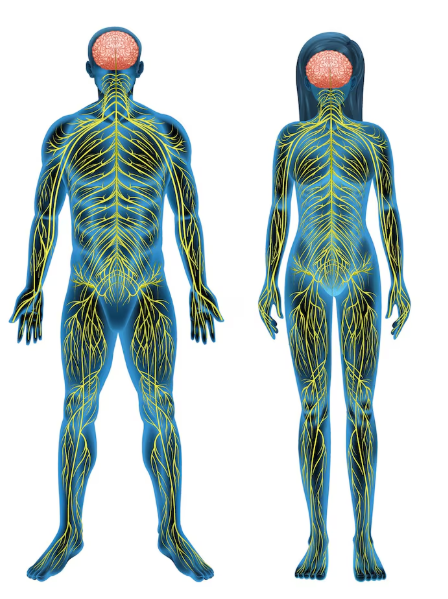
Overview The sympathetic nervous system (SNS) is part of the autonomic nervous system that controls involuntary functions like heart rate, blood pressure, and stress responses. Dysfunction in the SNS can cause a wide range of problems including poor circulation, abnormal sweating, irregular heartbeat, digestive issues, and chronic pain. In Korea, specialized neurology and autonomic disorder […]
Synechia in Korea

Overview Synechia refers to an abnormal adhesion between parts of the eye, most commonly involving the iris sticking to either the lens (posterior synechia) or the cornea (anterior synechia). These adhesions can impair vision, increase intraocular pressure, and lead to complications such as glaucoma or cataracts. In Korea, ophthalmologists use advanced diagnostic and surgical techniques […]
Syntactic aphasia in Korea

Overview Syntactic aphasia, a subtype of aphasia, involves difficulty in understanding or producing grammatically correct sentences. It specifically affects a person’s ability to comprehend and construct complex syntactic structures, such as using proper word order or sentence composition. In Korea, syntactic aphasia is primarily seen in individuals following a stroke, traumatic brain injury, or neurodegenerative […]
Systemic arterial hypertension in Korea

Overview Systemic arterial hypertension (commonly referred to as high blood pressure) is a chronic medical condition characterized by persistently elevated pressure in the arteries. In Korea, hypertension is one of the most prevalent cardiovascular risk factors, affecting approximately one in three adults. It significantly increases the risk of heart disease, stroke, kidney failure, and other […]
Syphilitic aortitis in Korea

Overview Syphilitic aortitis is a rare but serious complication of tertiary syphilis that affects the aorta, the largest artery in the body. It occurs when untreated syphilis spreads to the cardiovascular system, leading to inflammation and damage of the aortic wall. In Korea, the incidence of syphilitic aortitis is low due to effective public health […]
Sympathectomy complications in Korea

Overview Sympathectomy is a surgical procedure used to interrupt part of the sympathetic nervous system. It is most commonly performed to treat conditions like hyperhidrosis (excessive sweating), Raynaud’s phenomenon, and certain chronic pain syndromes. While often effective, sympathectomy can lead to several complications. In Korea, the procedure is performed in specialized hospitals using minimally invasive […]
Synovial chondromatosis in Korea

Overview Synovial chondromatosis is a rare, benign joint disorder characterized by the formation of cartilage nodules in the synovium (joint lining), which may detach and become loose bodies within the joint space. In Korea, diagnosis and treatment of this condition are typically managed through advanced imaging and arthroscopic surgery in specialized orthopedic hospitals. What is […]
Synaptic pruning disorder in Korea

Overview Synaptic pruning disorder is not a formally recognized standalone diagnosis but is a theoretical or emerging concept associated with atypical neural development. It is most often discussed in relation to neurodevelopmental conditions such as autism spectrum disorder (ASD) and schizophrenia. In Korea, awareness and research into synaptic pruning-related abnormalities are growing, particularly in pediatric […]
Syndrome of inappropriate antidiuretic hormone secretion (SIADH) in Korea

Overview Syndrome of Inappropriate Antidiuretic Hormone Secretion (SIADH) is a condition in which the body produces excessive amounts of antidiuretic hormone (ADH), leading to water retention and low sodium levels (hyponatremia) in the blood. In Korea, SIADH is treated effectively with a multidisciplinary approach that includes fluid management, electrolyte correction, and treatment of underlying causes […]