
Lactose Intolerance in Korea

Overview Lactose intolerance is a common digestive disorder where the body cannot properly digest lactose, the sugar found in milk and dairy products. This leads to uncomfortable digestive symptoms after consuming lactose-containing foods. Though not dangerous, lactose intolerance can affect quality of life and requires proper management through diet and treatment. What Is Lactose Intolerance? […]
Laryngeal Cancer in Korea

Overview Laryngeal cancer is a malignant tumor that develops in the tissues of the larynx (voice box), which plays a key role in breathing, speaking, and swallowing. It is one of the most common cancers affecting the head and neck region. Early detection and treatment significantly improve the chances of recovery. What Is Laryngeal Cancer? […]
Labyrinthitis in Korea

Overview Labyrinthitis is an inner ear disorder characterized by inflammation of the labyrinth, a delicate structure responsible for hearing and balance. This inflammation can disrupt the normal function of the inner ear, leading to symptoms such as dizziness, vertigo, and hearing loss. Labyrinthitis can affect anyone but often follows viral infections. Early diagnosis and appropriate […]
Von Willebrand Disease in Korea

Overview Von Willebrand disease (VWD) is the most common inherited bleeding disorder, caused by a deficiency or dysfunction of the von Willebrand factor (VWF), a protein crucial for blood clotting. Individuals with VWD experience prolonged bleeding times, which can range from mild to severe. South Korea offers specialized diagnostic and treatment services to manage this […]
Vitiligo in Korea

Overview Vitiligo is a chronic skin condition characterized by the loss of pigment-producing cells (melanocytes), resulting in white patches on the skin. These depigmented areas can appear anywhere on the body and may gradually enlarge over time. Though not life-threatening or contagious, vitiligo can cause significant emotional and social distress. South Korea offers advanced dermatological […]
Vitamin K Deficiency in Korea

Overview Vitamin K deficiency is a condition characterized by inadequate levels of vitamin K, a crucial nutrient required for proper blood clotting and bone health. Deficiency can lead to excessive bleeding and impaired bone metabolism. It can affect people of all ages, but newborns and individuals with certain medical conditions are particularly at risk. South […]
Vitamin B Deficiency in Korea
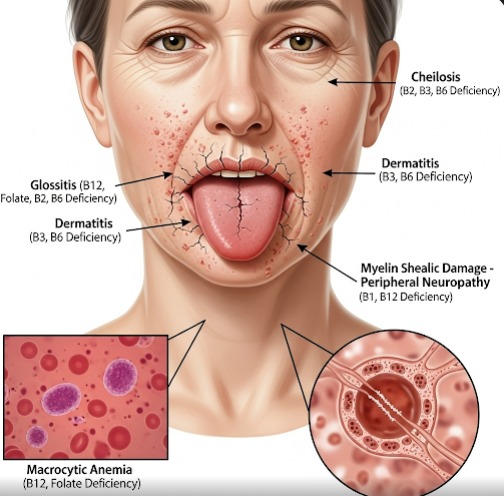
Overview Vitamin B deficiency refers to the lack of one or more B vitamins essential for energy metabolism, nervous system function, and red blood cell production. Since the B vitamins include a group of several related nutrients (B1, B2, B3, B5, B6, B7, B9, and B12), deficiency can affect multiple body systems, leading to symptoms […]
Vitamin A Deficiency in Korea
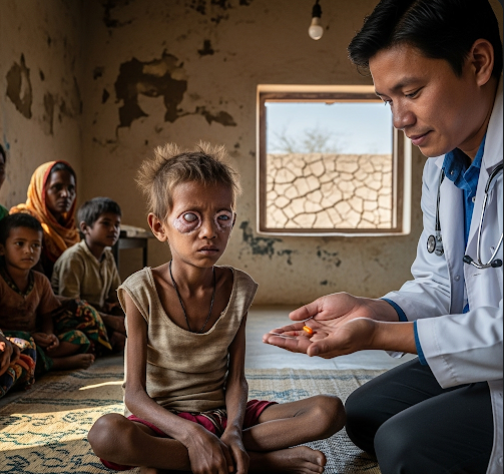
Overview Vitamin A deficiency is a condition caused by inadequate intake or absorption of vitamin A, an essential nutrient for vision, immune function, and skin health. It is a major cause of preventable blindness worldwide and increases the risk of infectious diseases, especially in children and pregnant women. South Korea provides comprehensive nutritional programs and […]
Vision Impairment in Korea

Overview Vision impairment refers to a range of conditions where an individual experiences a partial or complete loss of sight. It can significantly affect quality of life by limiting daily activities, mobility, and independence. Vision impairment can result from a variety of causes, including refractive errors, eye diseases, injuries, or neurological disorders. South Korea offers […]
Viral Pneumonia in Korea
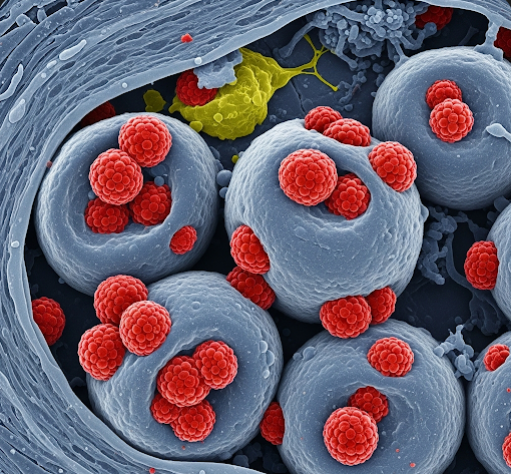
Overview Viral pneumonia is an infection of the lungs caused by viruses, leading to inflammation of the air sacs (alveoli) and impaired oxygen exchange. It can range from mild to severe and affects people of all ages, though the very young, elderly, and immunocompromised are at higher risk. Viral pneumonia is a common complication of […]