
Rotavirus Infection in Korea
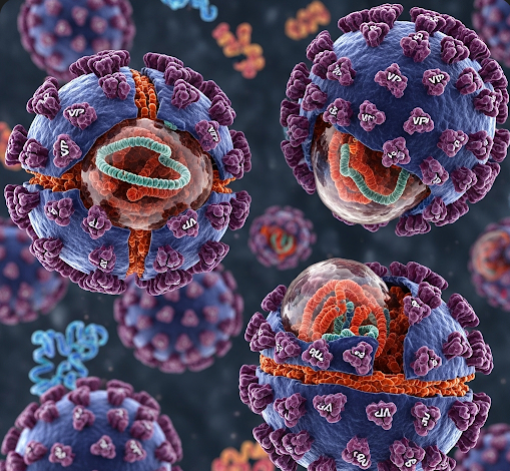
Overview Rotavirus infection is a highly contagious viral illness that primarily affects infants and young children, causing severe diarrhea and dehydration worldwide. It is a leading cause of acute gastroenteritis in children under five years old. Although vaccines have significantly reduced rotavirus cases globally, infection remains a concern, especially in settings with limited sanitation. What […]
Rotator Cuff Injury in Korea
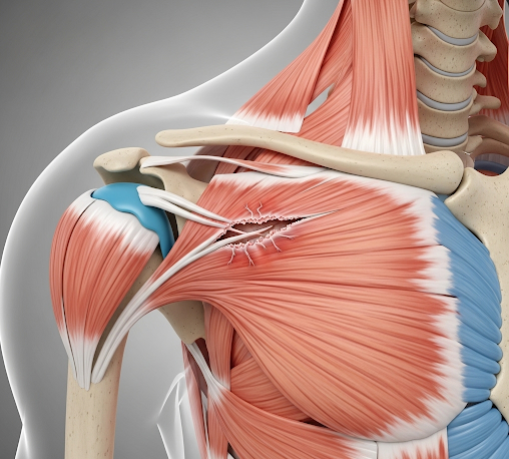
Overview A rotator cuff injury involves damage to the group of muscles and tendons that stabilize the shoulder joint and enable arm movement. It is a common cause of shoulder pain and disability, especially in athletes and older adults. Injuries can range from inflammation and tendonitis to partial or complete tears, affecting shoulder strength and […]
Ross River Virus Infection in Korea
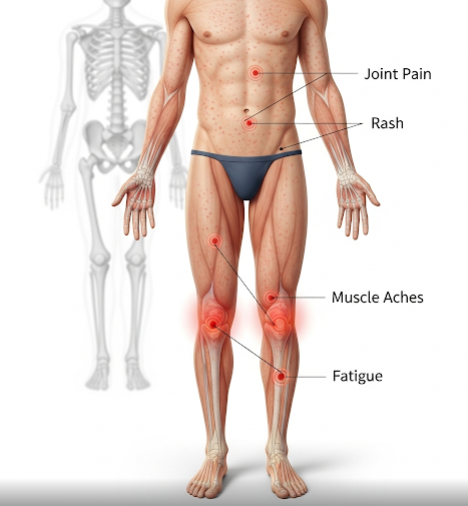
Overview Ross River virus infection is a mosquito-borne viral illness primarily found in Australia and surrounding regions. It causes a disease known as epidemic polyarthritis or Ross River fever, characterized by joint pain, fatigue, and rash. While the virus is not commonly reported in Korea, awareness and preparedness are important due to international travel and […]
Roseola Infantum in Korea

Overview Roseola infantum, also known as sixth disease, is a common viral infection that primarily affects infants and young children between 6 months and 2 years old. It is caused by human herpesvirus 6 (HHV-6) and sometimes HHV-7. The illness is generally mild and self-limiting, characterized by a sudden high fever followed by a distinctive […]
Rosacea in Korea

Overview Rosacea is a chronic skin condition characterized by facial redness, visible blood vessels, and sometimes acne-like bumps. It mainly affects the central face — cheeks, nose, forehead, and chin. Rosacea typically occurs in adults between 30 and 50 years old and can significantly impact quality of life due to its visible symptoms and potential […]
Rheumatoid Arthritis in Korea

Overview Rheumatoid arthritis (RA) is a chronic autoimmune disease that primarily affects the joints, causing pain, swelling, stiffness, and progressive joint damage. Unlike osteoarthritis, which is caused by wear and tear, RA occurs when the immune system mistakenly attacks healthy joint tissue. Over time, RA can lead to disability and affect other organs, such as […]
Rheumatic Heart Disease in Korea
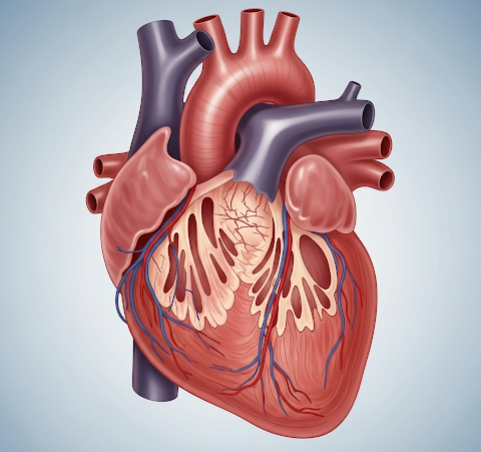
Overview Rheumatic heart disease (RHD) is a long-term complication of rheumatic fever that causes permanent damage to the heart valves. It occurs when rheumatic fever, an inflammatory condition triggered by untreated strep throat or scarlet fever, affects the heart. RHD can lead to serious heart problems, including heart failure, arrhythmias, and stroke, making early prevention […]
Rheumatic Fever in Korea
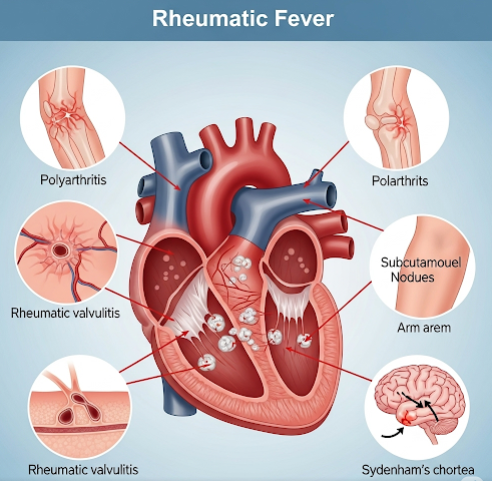
Overview Rheumatic fever is an inflammatory disease that can develop as a complication of untreated or poorly treated strep throat or scarlet fever, both caused by Group A Streptococcus bacteria. It primarily affects children and teenagers between 5 and 15 years old but can occur at any age. Rheumatic fever can cause permanent damage to […]
Rhabdomyolysis in Korea
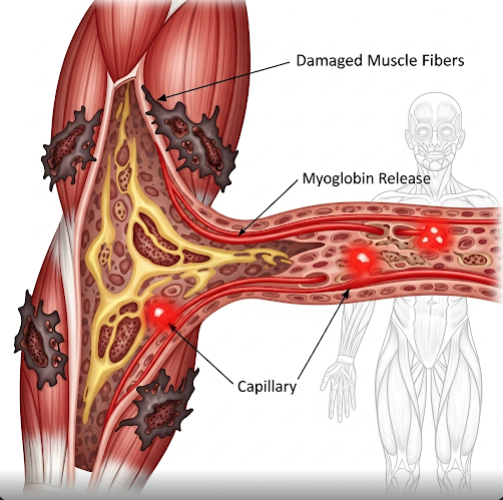
Overview Rhabdomyolysis is a serious medical condition that occurs when damaged muscle tissue breaks down and releases its contents, including a protein called myoglobin, into the bloodstream. This can lead to kidney damage or failure if not treated promptly. The condition can be caused by trauma, intense physical activity, certain medications, or medical disorders. Early […]
Retinitis Pigmentosa in Korea
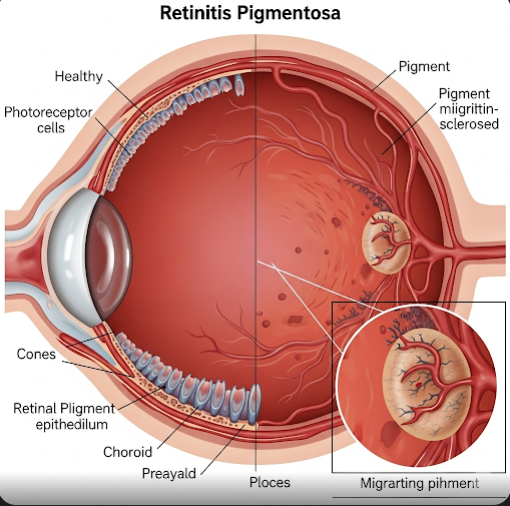
Overview Retinitis pigmentosa (RP) is a group of rare, inherited eye disorders that cause progressive damage to the retina, the light-sensitive tissue at the back of the eye. This condition leads to gradual vision loss, beginning with difficulty seeing at night and loss of peripheral vision, and can eventually result in blindness. Although there is […]