
Respiratory Acidosis in Korea
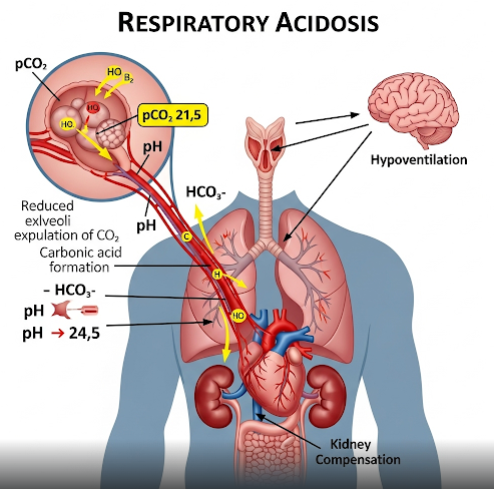
Overview Respiratory acidosis is a condition characterized by an excess of carbon dioxide (CO₂) in the blood due to inadequate ventilation, leading to a decrease in blood pH (acidosis). It can result from various respiratory disorders that impair lung function. Korea provides advanced diagnostic facilities and comprehensive treatment options for managing respiratory acidosis effectively. What […]
Resistant Hypertension in Korea

Overview Resistant hypertension is a form of high blood pressure that remains uncontrolled despite the use of three or more antihypertensive medications, including a diuretic, at optimal doses. It poses a significant risk for cardiovascular events and requires specialized diagnosis and management. Korea offers advanced clinical evaluations and tailored treatment strategies for resistant hypertension. What […]
Repetitive Strain Injury in Korea

Overview Repetitive Strain Injury (RSI) refers to a group of painful conditions caused by repetitive motions, overuse, or sustained awkward positions, commonly affecting muscles, tendons, and nerves. It often involves the hands, wrists, elbows, shoulders, or neck. Korea offers advanced diagnostic techniques, ergonomic assessments, and multidisciplinary treatments for effective management and rehabilitation of RSI. What […]
Renovascular Hypertension in Korea
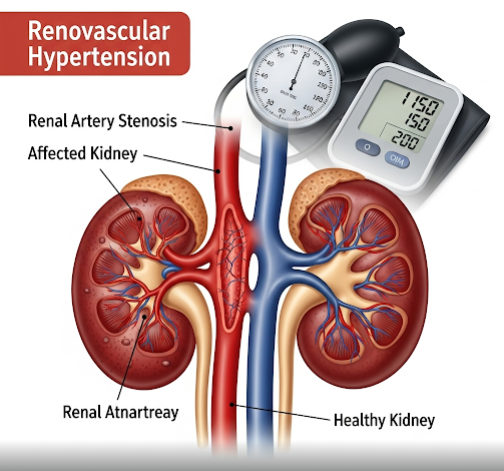
Overview Renovascular hypertension is high blood pressure caused by narrowing or blockage of the arteries supplying blood to the kidneys (renal arteries). This condition leads to reduced blood flow to the kidneys, activating hormonal systems that increase blood pressure. Korea offers advanced diagnostic tools and effective treatment options to manage renovascular hypertension and prevent complications. […]
Renal Tubular Acidosis in Korea
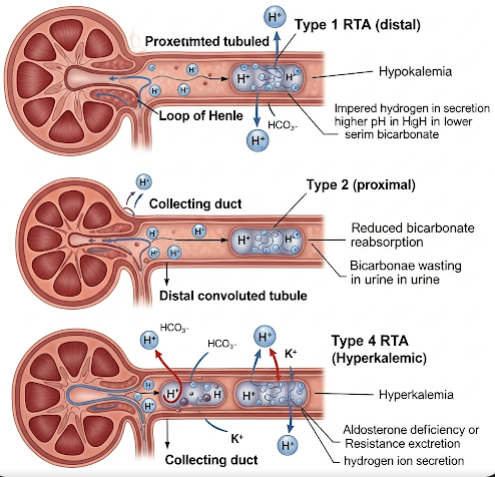
Overview Renal tubular acidosis (RTA) is a group of rare disorders characterized by the kidneys’ inability to properly acidify the urine, leading to a buildup of acid in the blood (metabolic acidosis). This condition affects the renal tubules’ function and can cause growth retardation, kidney stones, bone disease, and other metabolic complications. Korea provides expert […]
Renal Parenchymal Disease in Korea

Overview Renal parenchymal disease refers to a broad group of kidney disorders affecting the functional tissue (parenchyma) of the kidneys, including the glomeruli, tubules, and interstitial tissue. These diseases can lead to impaired kidney function and, if untreated, may progress to chronic kidney disease or kidney failure. Korea offers advanced diagnostic technologies and comprehensive treatment […]
Renal Papillary Necrosis in Korea

Overview Renal papillary necrosis (RPN) is a condition characterized by the death (necrosis) of the renal papillae—the tips of the pyramids in the kidneys where urine flows into the minor calyces. It can lead to impaired kidney function and complications like urinary tract obstruction and infection. Korea offers advanced diagnostic and treatment facilities to manage […]
Renal Osteodystrophy in Korea
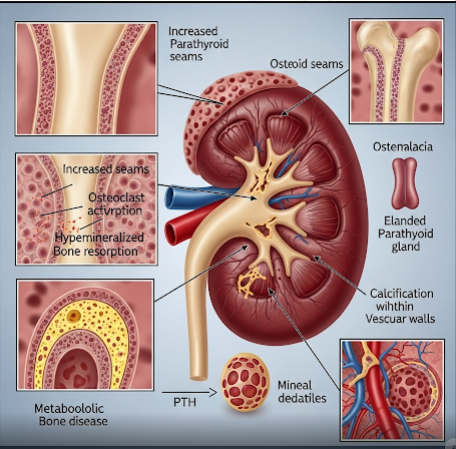
Overview Renal osteodystrophy is a bone disorder that occurs in patients with chronic kidney disease (CKD) due to imbalances in calcium, phosphate, parathyroid hormone, and vitamin D metabolism. It results in weakened, fragile bones and increased risk of fractures. In Korea, the management of renal osteodystrophy involves multidisciplinary care including nephrologists, endocrinologists, and bone specialists, […]
Renal Oncocytoma in Korea
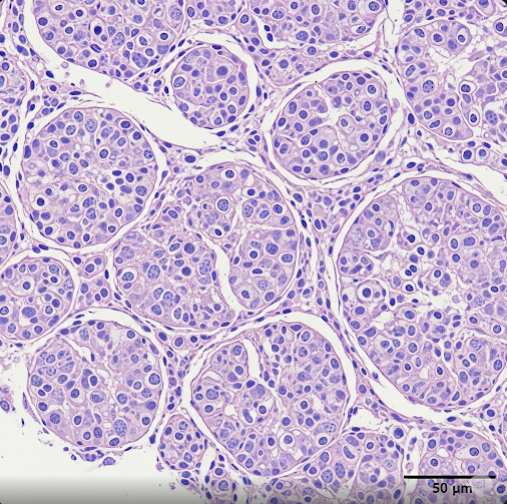
Overview Renal oncocytoma is a rare, benign kidney tumor that originates from the cells of the kidney’s collecting ducts. Although benign and usually slow-growing, it can be difficult to distinguish from malignant renal tumors based on imaging alone. Korea offers advanced diagnostic methods and precise surgical treatments to manage renal oncocytoma effectively. What is Renal […]
Renal Colic in Korea
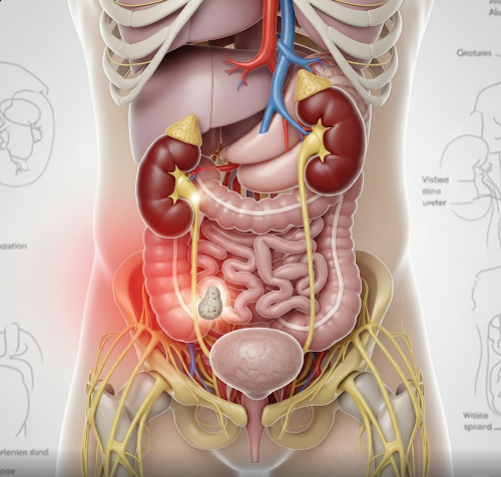
Overview Renal colic refers to the severe, sharp pain caused by kidney stones obstructing the urinary tract. It is a common urological emergency characterized by sudden onset of intense flank pain that may radiate to the groin. In Korea, renal colic is diagnosed and managed promptly using advanced imaging, pain management, and minimally invasive stone […]