
Threadworms (Worms) in Korea
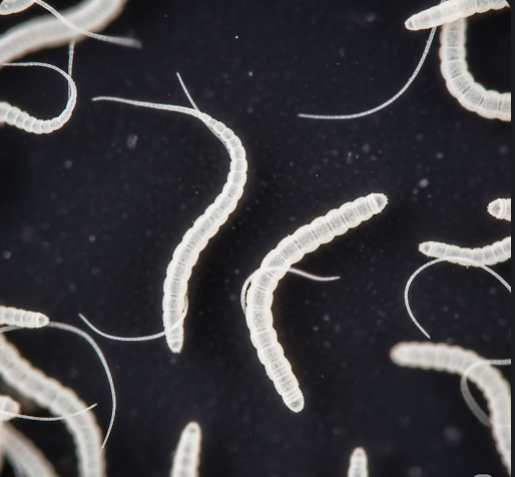
Overview Threadworms, also known as pinworms or Enterobius vermicularis, are small intestinal parasites that commonly infect humans, especially children. They cause discomfort, itching, and sleep disturbances but rarely result in life-threatening complications. In South Korea, threadworm infections are effectively managed through a combination of medical treatment, hygiene education, and family-wide preventive strategies. Korean clinics emphasize […]
Threadworms (Pinworms) in Korea

Overview Threadworms, also known as pinworms or Enterobius vermicularis, are a common intestinal parasitic infection, especially in children. They cause discomfort, itching, and sleep disturbances but are rarely life-threatening. South Korea has effective diagnostic, treatment, and prevention strategies for pinworm infections. Public health initiatives and clinical care focus on rapid identification, medication, hygiene education, and […]
Thalassaemia in Korea

Overview Thalassaemia is a group of inherited blood disorders characterized by abnormal hemoglobin production, leading to reduced red blood cell formation and chronic anemia. The condition ranges from mild forms, which may be asymptomatic, to severe forms requiring lifelong medical care. In South Korea, advanced hematology and genetic testing facilities provide comprehensive diagnosis, treatment, and […]
Tetanus in Korea

Overview Tetanus, commonly known as “lockjaw,” is a serious bacterial infection caused by Clostridium tetani. This bacterium produces a potent neurotoxin that affects the nervous system, leading to muscle stiffness and spasms. Although preventable through vaccination, tetanus remains a critical health concern worldwide. In South Korea, national immunization programs and advanced medical care have made […]
Testicular Torsion in Korea

Overview Testicular torsion is a medical emergency that occurs when the spermatic cord twists, cutting off blood flow to the testicle. This condition can lead to severe pain, swelling, and, if untreated, permanent testicular damage or loss. It is most common in adolescent boys and young men but can occur at any age. South Korea […]
Tension Headache in Korea

Overview Tension headache is one of the most common types of primary headaches, characterized by mild to moderate pain, often described as a tight band or pressure around the head. Unlike migraines, tension headaches are typically not associated with nausea or visual disturbances but can significantly affect daily activities, productivity, and quality of life. In […]
Tennis Elbow in Korea
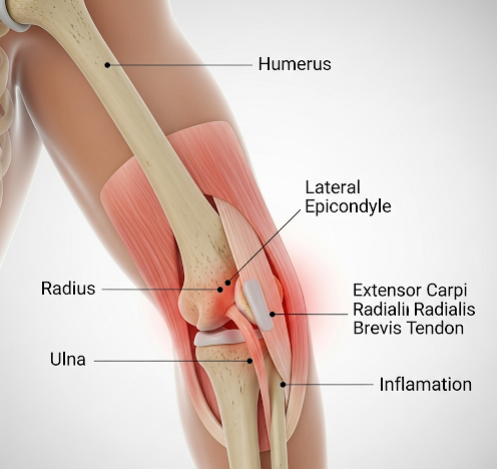
Overview Tennis elbow, medically known as lateral epicondylitis, is a common overuse injury that affects the tendons attaching to the lateral epicondyle, the bony prominence on the outside of the elbow. Despite its name, tennis elbow is not limited to athletes; it can occur in anyone performing repetitive gripping or wrist-extension movements. In South Korea, […]
Tendonitis in Korea

Overview Tendonitis is an inflammatory condition of a tendon, the fibrous connective tissue that attaches muscle to bone, resulting from overuse, injury, or repetitive strain. Unlike tendinosis, which is degenerative, tendonitis primarily involves inflammation and pain at the tendon site. Commonly affected tendons include the shoulder (rotator cuff), elbow (tennis elbow), wrist, knee (patellar tendon), […]
Tendinosis in Korea
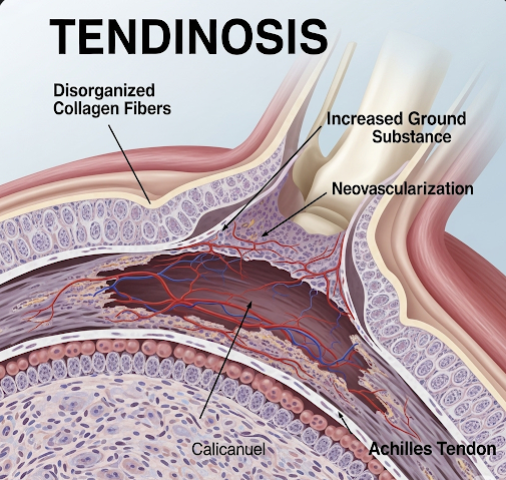
Overview Tendinosis is a chronic, degenerative condition of a tendon characterized by structural deterioration, collagen disorganization, and impaired healing without significant inflammation. Unlike tendonitis, which involves acute inflammation, tendinosis results from repeated overuse, aging, or microtrauma, leading to pain, weakness, and reduced function. In South Korea, advanced orthopedic and sports medicine clinics provide comprehensive diagnosis […]
Temporomandibular Joint in Korea
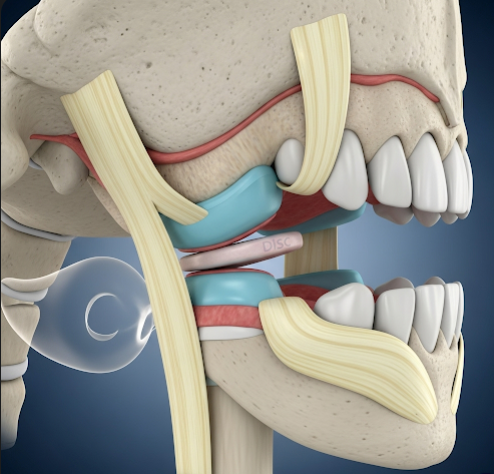
Overview Temporomandibular joint (TMJ) disorders refer to a group of conditions affecting the jaw joint and surrounding muscles, causing pain, restricted movement, and functional impairment. The TMJ connects the lower jaw (mandible) to the skull, enabling chewing, speaking, and other jaw movements. Dysfunction of this joint can significantly affect daily life and quality of life. […]