
Breast Implant Illness in Korea

Overview Breast Implant Illness (BII) is a term used to describe a collection of systemic symptoms experienced by some women after receiving breast implants, though it is not yet formally recognized as a distinct medical diagnosis. Symptoms can range from fatigue, chronic pain, and cognitive difficulties to autoimmune-like manifestations. In Korea, BII is managed in […]
Breast Cyst in Korea
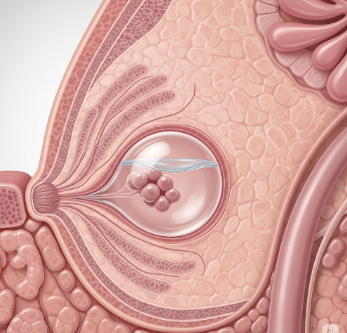
Overview A breast cyst is a fluid-filled sac within the breast tissue, which is usually benign and non-cancerous. Breast cysts are common, especially in women aged 35–50, and may fluctuate in size due to hormonal changes. They can appear as palpable lumps or be discovered incidentally during routine imaging. In Korea, breast cysts are evaluated […]
Breast Cancer in Korea

Overview Breast cancer is a malignant tumor that forms in the breast tissue, usually in the ducts or lobules. It is one of the most common cancers affecting women worldwide, including Korea, and can also occur in men, though rarely. Early detection and treatment are critical for improving survival and preserving quality of life. In […]
Breast Abscess in Korea
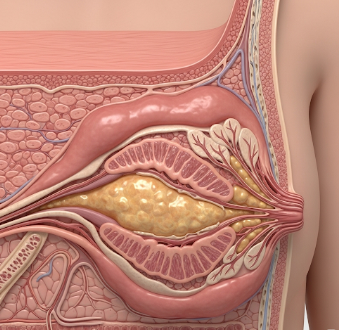
Overview A breast abscess is a localized collection of pus in the breast tissue, typically caused by a bacterial infection. This condition can lead to pain, swelling, redness, and systemic symptoms such as fever. Breast abscesses most commonly occur in lactating women, but non-lactational abscesses can also develop due to blocked ducts, trauma, or underlying […]
Branch Retinal Vein Occlusion (BRVO) in Korea
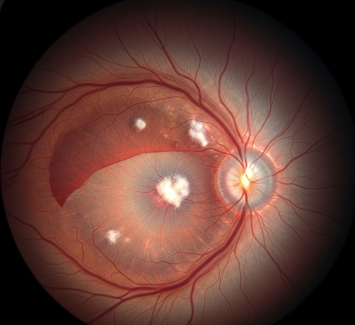
Overview Branch Retinal Vein Occlusion (BRVO) is an eye condition in which one of the smaller branches of the retinal veins becomes blocked, leading to impaired blood drainage from the retina. This blockage can cause retinal swelling, bleeding, and vision disturbances, and is a significant cause of sudden, painless vision loss in adults. In Korea, […]
Brain Tumor in Korea
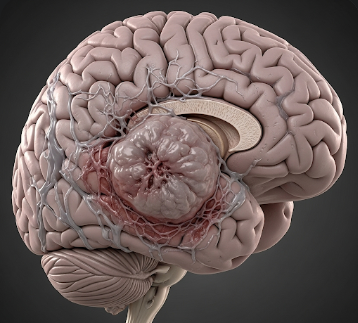
Overview A brain tumor is an abnormal growth of cells in the brain, which can be benign (non-cancerous) or malignant (cancerous). Brain tumors may originate in the brain (primary) or spread from other parts of the body (secondary or metastatic). They can compress surrounding brain tissue, disrupt neurological function, and increase intracranial pressure, leading to […]
Brain Injury in Korea
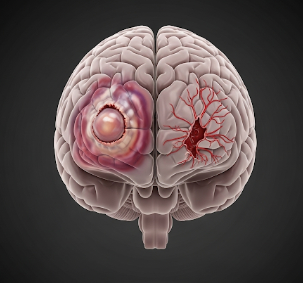
Overview Brain injury refers to any damage to the brain that affects its normal function. It can result from trauma, lack of oxygen, infections, strokes, or other medical conditions. Brain injuries range from mild concussions to severe, life-threatening injuries, and can lead to temporary or permanent neurological deficits. In Korea, brain injuries are treated in […]
Brain Hemorrhage in Korea
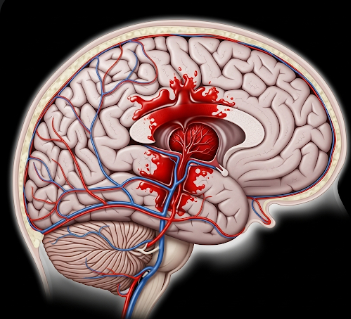
Overview A brain hemorrhage, also called intracerebral hemorrhage, occurs when a blood vessel in the brain ruptures, causing bleeding into surrounding brain tissue. This bleeding increases intracranial pressure and can severely damage brain cells, potentially leading to stroke, neurological deficits, or death. In Korea, brain hemorrhage is treated in neurosurgery, neurology, and intensive care units […]
Brain Edema in Korea
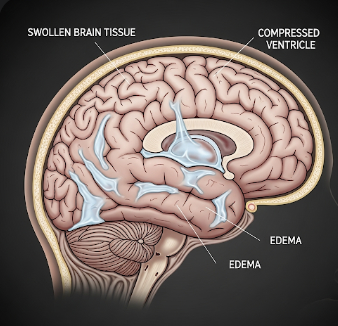
Overview Brain edema refers to the excess accumulation of fluid in the brain tissue, leading to swelling and increased intracranial pressure. This condition can occur due to trauma, stroke, infection, tumors, or other neurological disorders. Brain edema is a serious medical emergency, as the swelling can compromise brain function, reduce blood flow, and cause life-threatening […]
Brain Cancer in Korea
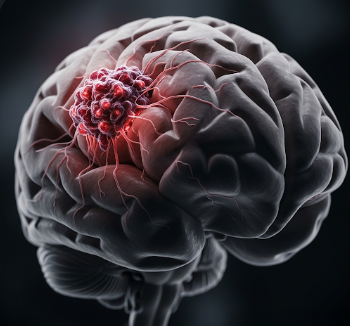
Overview Brain cancer, also known as a malignant brain tumor, occurs when abnormal cells grow uncontrollably in the brain tissue. Brain cancer can be primary, originating in the brain, or secondary (metastatic), spreading from other parts of the body such as the lungs, breast, or skin. In Korea, brain cancer is managed in neuro-oncology centers, […]