
Ankle Pain in Korea
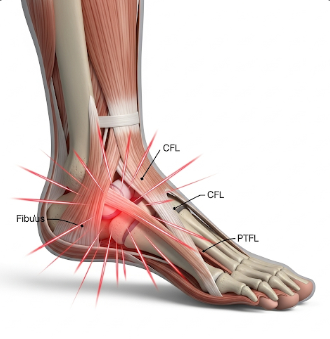
Overview Ankle pain is a common problem that affects people of all ages, ranging from athletes to older adults. It can result from injuries, overuse, or underlying medical conditions. The ankle joint is a complex structure made up of bones, ligaments, tendons, and muscles that allow flexibility and support body weight. Any damage or strain […]
Abnormal Liver Enzymes in Korea
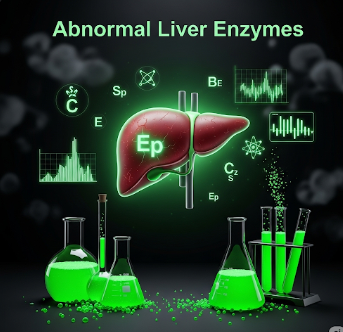
Overview Abnormal liver enzymes are a common finding during routine blood tests. The liver plays a vital role in filtering toxins, aiding digestion, and regulating energy. When the liver is stressed, injured, or diseased, it releases higher-than-normal levels of enzymes into the bloodstream. These elevated or abnormal results often serve as an early warning sign, […]
Fever in children in Korea

Overview Fever in children is a common symptom indicating the body’s immune response to infection or illness. It is usually defined as a body temperature above 38°C (100.4°F). While fever itself is not a disease, it can signal underlying infections, inflammatory conditions, or other medical issues. In Korea, pediatric hospitals and clinics provide specialized care […]
Fatigue in Korea

Overview Fatigue is a persistent feeling of physical, mental, or emotional exhaustion that is not relieved by rest. It can affect daily functioning, productivity, and overall quality of life. Fatigue may result from lifestyle factors, medical conditions, or psychological issues. In Korea, hospitals and clinics provide comprehensive evaluation, diagnosis, and management for fatigue, ensuring both […]
Frequent Urination in Korea

Overview Frequent urination, also known as polyuria, is the need to urinate more often than usual, sometimes accompanied by urgency or discomfort. It can be a temporary symptom caused by lifestyle factors, or a sign of underlying medical conditions affecting the urinary tract, kidneys, or metabolic system. In Korea, hospitals and urology clinics offer comprehensive […]
Fever in Korea

Overview Fever is defined as a temporary elevation of body temperature above the normal range, typically caused by the body’s response to infection, inflammation, or other medical conditions. It is a common symptom that signals the immune system is active. In Korea, hospitals and clinics provide diagnostic testing, treatment, and monitoring for fever, especially when […]
Fainting in Korea

Overview Fainting, also known as syncope, is a sudden, temporary loss of consciousness caused by a drop in blood flow to the brain. It is usually brief, with the person regaining consciousness within seconds to minutes. While fainting is often benign, it can sometimes signal serious medical conditions. In Korea, hospitals, cardiology clinics, and emergency […]
Fluid Retention in Korea

Overview Fluid retention, also known as edema, is the abnormal accumulation of fluid in the body’s tissues, commonly affecting the legs, ankles, feet, hands, or abdomen. It can result from underlying medical conditions, lifestyle factors, or medication side effects. In Korea, hospitals and specialized clinics provide diagnostic services, medical management, and treatment plans to address […]
Feeling Worthless in Korea

Overview Feeling worthless is a psychological symptom characterized by persistent thoughts of inadequacy, low self-esteem, and diminished self-worth. It can affect emotional well-being, relationships, work performance, and daily functioning. In Korea, mental health clinics, counseling centers, and hospitals provide comprehensive evaluation, therapy, and treatment for individuals experiencing feelings of worthlessness. Key Facts ▶ Prevalence: Common […]
Faecal Incontinence in Korea

Overview Faecal incontinence is the involuntary loss of stool or inability to control bowel movements, leading to accidental leakage. It can range from occasional minor leaks to complete loss of bowel control, significantly affecting quality of life, social interactions, and emotional well-being. In Korea, specialized gastroenterology and colorectal clinics provide advanced diagnostic tests, medical management, […]