
Beau’s Lines in Korea

Overview Beau’s lines are transverse grooves or indentations that appear across the nails, indicating a temporary interruption in nail growth. These lines may affect fingernails, toenails, or both and often reflect an underlying systemic illness, trauma, or metabolic disturbance. While they are usually harmless and temporary, Beau’s lines can serve as an important clinical sign […]
Back Pain During Pregnancy in Korea

Overview Back pain during pregnancy is a common condition that affects up to 50–70% of expectant mothers, often due to hormonal changes, weight gain, and altered posture. Pain can range from mild discomfort to severe pain affecting daily activities. Typically, lower back and pelvic regions are most affected, though some women experience mid-back pain as […]
Back Pain in Korea

Overview Back pain is one of the most common musculoskeletal complaints worldwide, affecting people of all ages. It can range from mild discomfort to severe, disabling pain, impacting daily activities and quality of life. Back pain may involve the muscles, ligaments, nerves, intervertebral discs, or spine, and it can be acute, subacute, or chronic depending […]
Back Labor in Korea

Overview Back labor refers to intense lower back pain experienced during childbirth, often associated with fetal positioning and uterine contractions. Unlike typical labor pain, which is concentrated in the abdomen, back labor is felt primarily in the lower back, sometimes radiating to the sacrum or hips. It occurs in approximately 25–30% of laboring women and […]
Autoantibodies in Korea

Overview Autoantibodies are antibodies produced by the immune system that mistakenly target and react with a person’s own tissues or organs. They are a hallmark of autoimmune diseases and play a critical role in diagnosing and monitoring these conditions. While the presence of autoantibodies does not always indicate disease, their detection can reveal immune system […]
Auditory Hallucinations in Korea

Overview Auditory hallucinations refer to the perception of hearing sounds, voices, or noises without an external source. They are among the most common types of hallucinations and often occur in psychiatric disorders, neurological conditions, or as a result of substance use. While hearing voices can be distressing, early recognition and proper treatment can significantly improve […]
Atypical Chest Pain in Korea
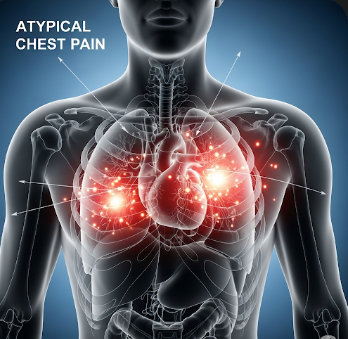
Overview Atypical chest pain refers to chest discomfort that does not follow the classic pattern of angina but may still signal underlying heart disease or other medical conditions. Unlike typical angina, which is often described as pressure or squeezing triggered by exertion, atypical chest pain can present as burning, stabbing, or localized pain, sometimes associated […]
Ataxia in Korea

Overview Ataxia is a neurological condition characterized by lack of voluntary coordination of muscle movements, resulting in unsteady motion, balance difficulties, and impaired fine motor skills. It is not a disease itself but a symptom of underlying disorders affecting the cerebellum, spinal cord, peripheral nerves, or vestibular system. In South Korea, neurology clinics and rehabilitation […]
Asystole in Korea
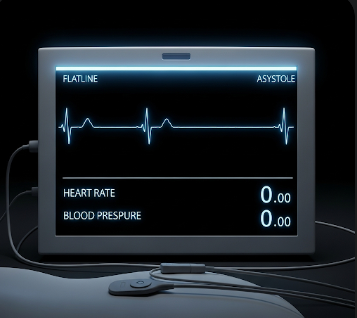
Overview Asystole is a life-threatening cardiac condition characterized by the complete absence of electrical activity in the heart, resulting in no heartbeat, no blood circulation, and no pulse. It is often referred to as a “flatline” on an electrocardiogram (ECG) and represents a form of cardiac arrest. Immediate medical intervention is critical, as survival rates […]
Asterixis in Korea
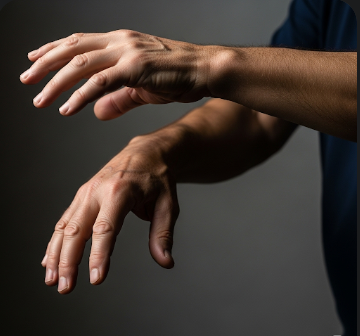
Overview Asterixis, often referred to as a “flapping tremor”, is a neurological sign characterized by sudden, brief, involuntary jerking movements, most commonly observed in the hands and wrists when the arms are extended and wrists dorsiflexed. It is an important clinical indicator of metabolic encephalopathy, particularly in liver disease, but can also occur in conditions […]