
Pus in Korea
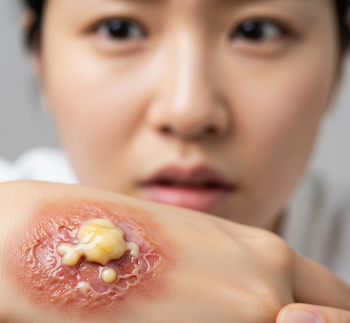
Overview Pus is a thick, creamy, or yellowish fluid produced by the body during infection or inflammation. It is primarily composed of dead white blood cells, bacteria, tissue debris, and serum. The presence of pus indicates that the body’s immune system is actively fighting infection. Pus can form in skin wounds, abscesses, surgical sites, or […]
Purulent Drainage in Korea
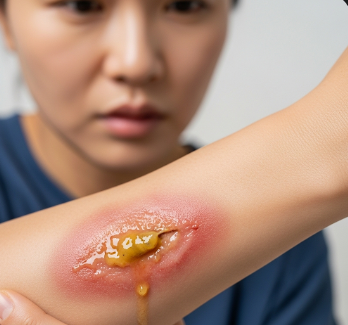
Overview Purulent drainage refers to thick, cloudy, yellow, green, or brown fluid that oozes from a wound, surgical site, abscess, or infection site. It is a sign of infection or ongoing inflammation, often containing dead white blood cells, bacteria, and tissue debris. Purulent drainage is not a disease by itself but a symptom of underlying […]
Purpura in Korea
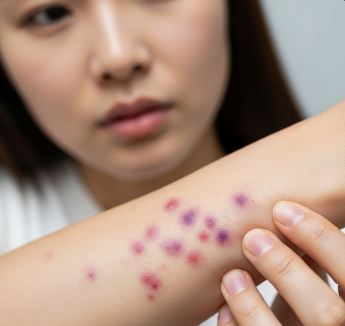
Overview Purpura refers to purple or reddish spots on the skin or mucous membranes that occur when small blood vessels (capillaries) leak blood under the skin. Unlike a rash, purpura does not blanch (fade) when pressed. Purpura can range from small pinpoint dots (petechiae) to larger patches (ecchymoses). It is not a disease in itself […]
Pulsus Paradoxus in Korea

Overview Pulsus Paradoxus is a clinical sign where there is an exaggerated drop in systolic blood pressure (≥10 mmHg) during inspiration. While a small decrease in blood pressure during inhalation is normal, pulsus paradoxus refers to a markedly abnormal decline that often signals serious underlying cardiovascular or respiratory conditions. This phenomenon is commonly associated with […]
Pulseless Electrical Activity in Korea
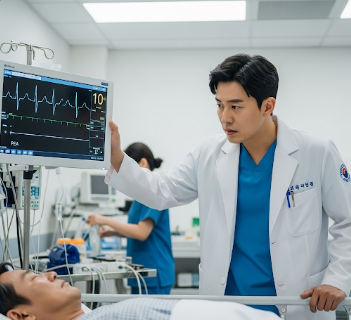
Overview Pulseless Electrical Activity (PEA) is a critical medical emergency where the heart shows organized electrical activity on an electrocardiogram (ECG) but fails to generate an effective pulse or blood flow. Despite electrical signals being present, the heart muscle does not contract effectively, leading to cardiac arrest. This condition requires immediate recognition and intervention, as […]
Psychosis in Korea

Overview Psychosis is a serious mental health symptom characterized by a loss of contact with reality. People experiencing psychosis may have hallucinations (seeing or hearing things that aren’t real), delusions (false beliefs despite evidence), or disorganized thinking. Psychosis is not a standalone disease but a feature of underlying psychiatric, neurological, or medical conditions. In Korea, […]
Psychomotor Impairment in Korea

Overview Psychomotor impairment refers to a noticeable slowing or difficulty in the coordination between cognitive functions and physical movements. People with this condition may struggle with speech, body movements, or fine motor skills. It is not a disease in itself but rather a symptom or manifestation of underlying medical, psychiatric, or neurological conditions. In Korea, […]
Psychogenic Pain in Korea

Overview Psychogenic pain refers to physical pain that arises primarily from psychological, emotional, or mental factors rather than direct tissue injury or a clear medical condition. While the pain is very real to the person experiencing it, it does not have a straightforward physical explanation. Instead, it is influenced by conditions such as stress, anxiety, […]
Prodromal Labor in Korea

Overview Prodromal labor, sometimes called false labor, is a condition in which a pregnant woman experiences regular contractions that feel similar to true labor but do not progress to childbirth. Unlike Braxton Hicks contractions, which are usually irregular and painless, prodromal labor contractions can be strong, rhythmic, and even painful, often leading mothers to believe […]
Postpartum Night Sweats in Korea

Overview Postpartum night sweats are episodes of excessive sweating that occur during the night after childbirth, often severe enough to soak clothes and bedding. They are a common symptom in the weeks following delivery, particularly during the first few days to weeks. In most cases, postpartum night sweats are linked to hormonal changes, fluid shifts, […]