
Soiling (child pooing their pants) in Korea

➤ Overview Soiling, medically referred to as encopresis, is the involuntary passage of stool in inappropriate places, such as clothing, in children who are typically toilet-trained. It is a common pediatric issue that can cause emotional distress, social difficulties, and family tension. In South Korea, pediatric specialists, gastroenterologists, and child psychologists evaluate soiling. Early assessment […]
Snoring in Korea

➤ Overview Snoring is the noisy vibration of the soft tissues in the upper airway during sleep, often resulting in a harsh or rattling sound. While occasional snoring is common, frequent or loud snoring may indicate underlying sleep disorders, such as obstructive sleep apnea (OSA). In South Korea, snoring is assessed by sleep specialists, ENT […]
Sleepiness in Korea

➤ Overview Sleepiness, also referred to as excessive daytime sleepiness (EDS), is a condition characterized by persistent drowsiness or an uncontrollable urge to sleep during the day. It can significantly impact productivity, cognitive function, mood, and overall quality of life. In South Korea, sleepiness is evaluated by sleep specialists, neurologists, and pulmonologists using clinical assessments, […]
Shortness of breath in Korea

➤ Overview Shortness of breath, medically known as dyspnea, is the sensation of difficulty breathing or feeling unable to get enough air. It can range from mild discomfort during exertion to severe, life-threatening respiratory distress. In South Korea, dyspnea is evaluated by pulmonologists, cardiologists, and emergency medicine specialists. Proper assessment is crucial to identify underlying […]
Shaking in Korea

➤ Overview Shaking, also called tremors, refers to involuntary, rhythmic movements of the body or body parts, most commonly affecting the hands, arms, legs, or head. It can range from mild, barely noticeable trembling to severe, disabling movements. In South Korea, shaking is assessed by neurologists, movement disorder specialists, and endocrinologists. Early evaluation helps identify […]
Sense of smell (lost/changed) in Korea

➤ Overview Loss or change in the sense of smell, medically termed anosmia (complete loss) or hyposmia / dysosmia (partial loss or altered perception), can significantly impact taste, nutrition, safety, and quality of life. This condition may occur suddenly or gradually, affecting one or both nostrils. In South Korea, ENT specialists and neurologists assess changes […]
Seizures (fits) in Korea
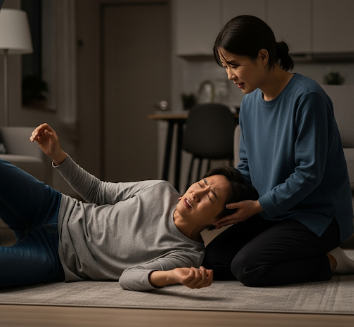
➤ Overview Seizures, commonly known as fits, are sudden, uncontrolled electrical disturbances in the brain that can alter behavior, movements, sensations, or consciousness. They can range from brief lapses of awareness to full-body convulsions. In South Korea, seizures are evaluated by neurologists and epileptologists, using advanced diagnostic tools like EEG, MRI, and genetic testing. Timely […]
Synesthesia in Korea
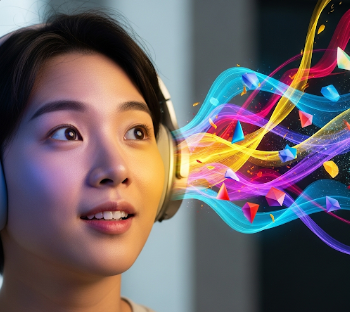
➤ Overview Synesthesia is a neurological condition where stimulation of one sensory or cognitive pathway leads to automatic, involuntary experiences in another sensory pathway. For example, an individual may see colors when hearing music or associate numbers with specific colors. Though not considered harmful, synesthesia can affect daily experiences, learning, and perception. In South Korea, […]
Swollen Testicles (Scrotal Swelling) in Korea
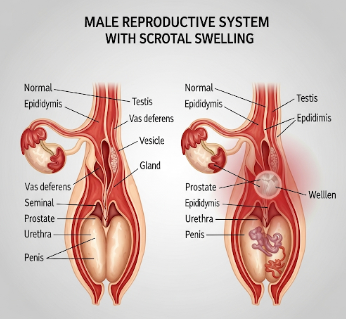
➤ Overview Swollen testicles, medically referred to as scrotal swelling, occur when one or both testicles enlarge due to fluid buildup, infection, injury, or underlying medical conditions. Swelling may be accompanied by pain, tenderness, redness, or heaviness, and can affect mobility, daily activities, and overall quality of life. In South Korea, scrotal swelling is evaluated […]
Swollen Lymph Nodes in the Neck (Cervical Lymphadenopathy) in Korea

➤ Overview Cervical lymphadenopathy refers to swelling of the lymph nodes in the neck. These nodes are part of the immune system, filtering pathogens and producing white blood cells to fight infections. Swelling may indicate local infections, systemic illness, or malignancy. In South Korea, cervical lymphadenopathy is evaluated by ENT specialists, infectious disease doctors, and […]