
Decortication in Korea
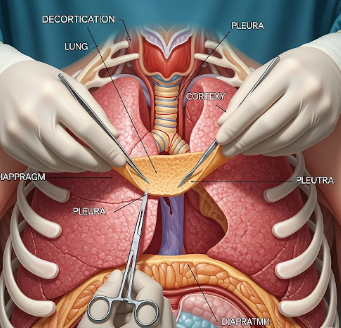
Overview Decortication is a surgical procedure performed to remove the thickened, fibrous layer (pleural peel) from the surface of the lungs. This procedure is typically indicated for patients suffering from chronic empyema (pus in the pleural cavity), fibrothorax, or pleural thickening, which can restrict lung expansion and impair respiratory function. In South Korea, decortication is […]
Debulking Surgery (Cytoreduction Surgery) in Korea
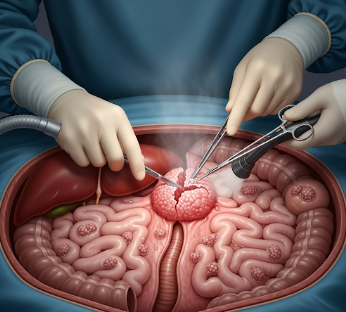
Overview Debulking surgery, also known as cytoreduction surgery, is a specialized surgical procedure aimed at removing as much tumor mass as possible when complete excision is not feasible. It is commonly used for advanced ovarian, abdominal, or pelvic cancers, as well as certain solid tumors that cannot be fully removed due to proximity to vital […]
Dacryocystorhinostomy (Tear Duct Surgery) in Korea
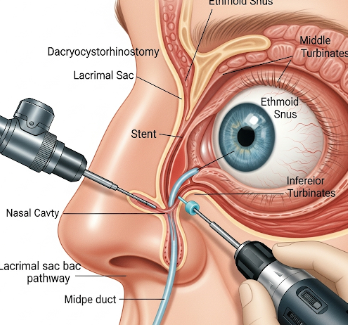
Overview Dacryocystorhinostomy (DCR) is a surgical procedure designed to treat blocked tear ducts (nasolacrimal duct obstruction). Blocked tear ducts can cause excessive tearing (epiphora), recurrent eye infections, or chronic inflammation. In South Korea, DCR is performed in ophthalmology and ENT specialty centers using modern endoscopic and minimally invasive techniques, ensuring high success rates, minimal scarring, […]
Cystolitholapaxy in Korea
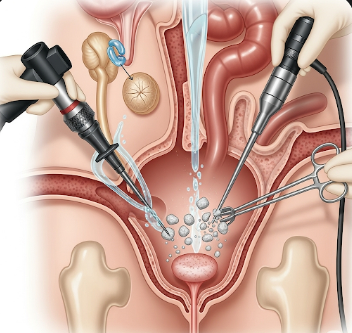
Overview Cystolitholapaxy is a minimally invasive urological procedure designed to remove bladder stones (cystoliths) using specialized instruments inserted through the urethra. This procedure is preferred over open surgery for most cases because it reduces recovery time, minimizes complications, and preserves bladder function. In South Korea, cystolitholapaxy is performed in advanced urology centers and hospitals using […]
Cyst Removal in Korea
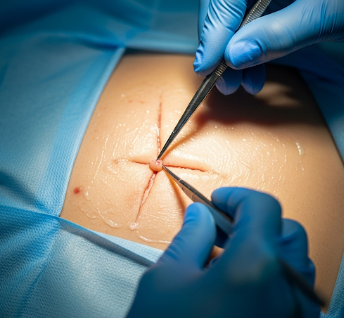
Overview Cyst removal is a surgical or minimally invasive procedure to excise cysts, which are fluid-filled sacs that can develop in various parts of the body, such as the skin, ovaries, kidneys, or liver. While most cysts are benign, removal is often recommended when they cause pain, infection, cosmetic concerns, or potential complications. In South […]
Credé Maneuver in Korea
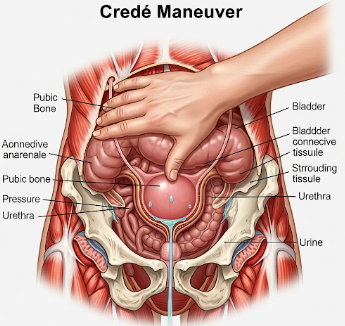
Overview The Credé Maneuver is a manual bladder-emptying technique used primarily in patients who cannot fully empty their bladder due to neurogenic bladder, spinal cord injury, or other urinary retention conditions. Named after the German obstetrician Carl Siegmund Franz Credé, this maneuver involves gentle, guided pressure over the lower abdomen to facilitate urination without invasive […]
COVID Vaccine in Korea

Overview The COVID-19 vaccine is a critical medical intervention designed to protect against the SARS-CoV-2 virus, which causes COVID-19. Vaccination reduces the risk of severe illness, hospitalization, and death, while also helping communities achieve herd immunity. In South Korea, COVID-19 vaccination programs have been widely implemented in hospitals, clinics, and public health centers, utilizing approved […]
Corneal Cross-Linking in Korea
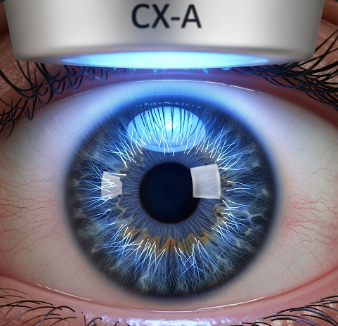
Overview Corneal cross-linking (CXL) is a minimally invasive ophthalmic procedure used to strengthen the cornea, the clear front surface of the eye. It is primarily used to treat progressive keratoconus, a condition where the cornea thins and bulges into a cone-like shape, leading to distorted vision. In South Korea, corneal cross-linking is performed in advanced […]
Convergent Procedure in Koerea
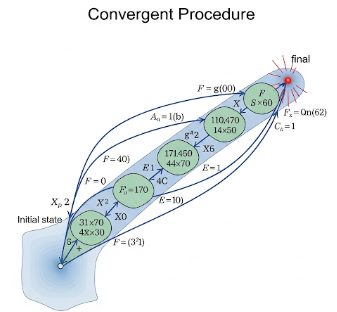
Overview The Convergent Procedure is a minimally invasive hybrid approach used to treat atrial fibrillation (AFib), a common heart rhythm disorder. It combines epicardial (outside the heart) surgical ablation and endocardial (inside the heart) catheter ablation to effectively isolate and destroy abnormal electrical pathways causing irregular heartbeats. In South Korea, the Convergent Procedure is offered […]
Condom Catheter for Incontinence in Korea
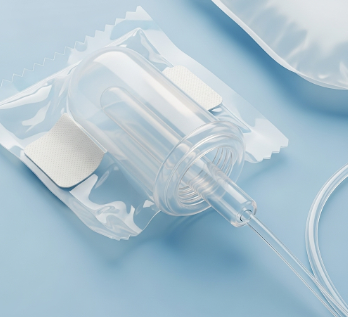
Overview A condom catheter, also known as a male external catheter, is a non-invasive device used to manage urinary incontinence in men. It consists of a soft sheath that fits over the penis like a condom and connects to a drainage bag, allowing urine to be safely collected without the need for an indwelling catheter. […]