
Endoscopy in Korea
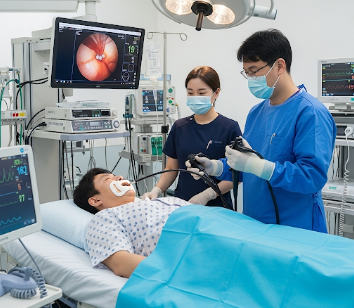
Overview Endoscopy is a minimally invasive diagnostic and therapeutic procedure that allows doctors to examine the inside of the digestive tract using a flexible tube equipped with a camera (endoscope). It is commonly used to detect and treat conditions of the esophagus, stomach, small intestine, and colon. In South Korea, endoscopy is performed in modern […]
Endoscopic ultrasound in Korea
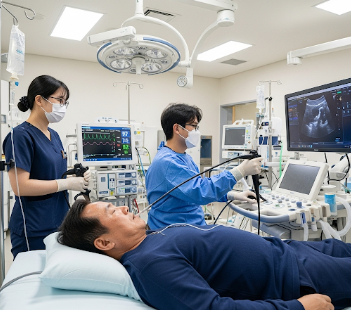
Overview Endoscopic Ultrasound (EUS) is a minimally invasive diagnostic procedure that combines endoscopy and high-frequency ultrasound to examine the digestive tract and surrounding organs. It is primarily used to evaluate pancreatic diseases, gastrointestinal tumors, bile ducts, and lymph nodes. In South Korea, EUS is performed in advanced gastroenterology centers using high-definition endoscopes and expert endoscopists, […]
Endoscopic sinus surgery in Korea
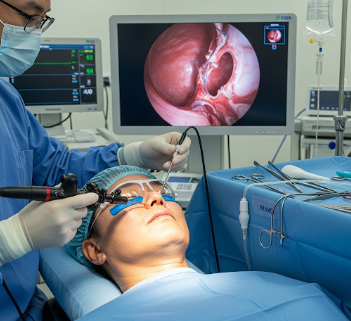
Overview Endoscopic sinus surgery is a minimally invasive surgical procedure designed to treat chronic sinus infections, nasal polyps, and structural problems in the nasal passages and sinuses. Unlike traditional open surgery, this technique uses a small camera (endoscope) inserted through the nostrils, allowing precise treatment without external incisions. In South Korea, endoscopic sinus surgery is […]
Endometrial biopsy in Korea
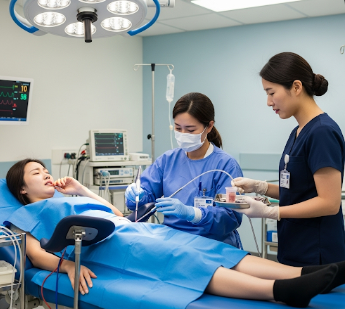
Overview An endometrial biopsy is a minimally invasive procedure that involves taking a small tissue sample from the lining of the uterus (endometrium). This test helps detect abnormalities, infections, precancerous changes, or cancer, and is often used in evaluating abnormal uterine bleeding, infertility, or hormonal disorders. In South Korea, endometrial biopsy is performed in advanced […]
Electroencephalogram (EEG) in Korea
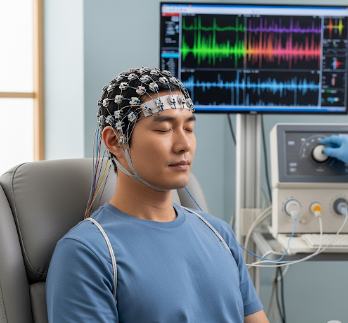
Overview An Electroencephalogram (EEG) is a non-invasive diagnostic test that records the electrical activity of the brain. It is widely used to detect neurological disorders, monitor brain function, and assist in treatment planning for conditions such as epilepsy, sleep disorders, brain injuries, and certain psychiatric disorders. In South Korea, EEG is offered in top hospitals […]
Electrocardiogram (ECG) in Korea
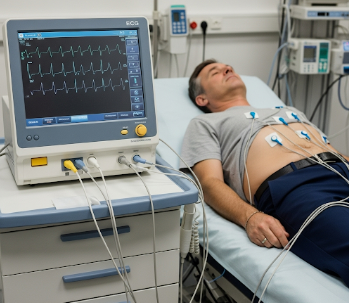
Overview An Electrocardiogram (ECG or EKG) is a simple, non-invasive test used to measure the electrical activity of the heart. It is one of the most common diagnostic tools in cardiology, helping detect heart rhythm disorders, heart attacks, and other cardiac conditions. In South Korea, ECG tests are widely available at hospitals, clinics, and specialized […]
Elective splenectomy in Korea
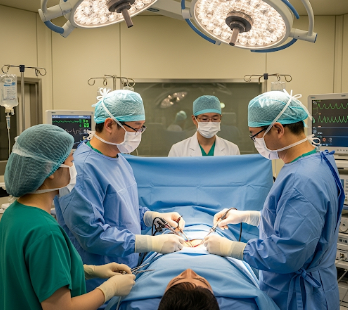
Overview An elective splenectomy is a planned surgical procedure to remove the spleen. Unlike emergency splenectomies, which are performed due to trauma or life-threatening rupture, elective splenectomy is scheduled in advance for patients with chronic conditions, blood disorders, immune system problems, or enlarged spleen (splenomegaly). In South Korea, elective splenectomy is performed in advanced hospitals […]
Extracorporeal Shock Wave Lithotripsy (ESWL) in Korea
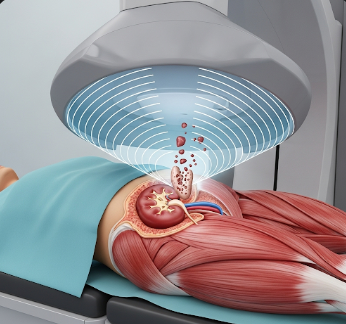
Overview Extracorporeal Shock Wave Lithotripsy (ESWL) is a non-invasive medical procedure used to treat kidney stones and ureteral stones by using high-energy shock waves to break stones into smaller fragments that can pass naturally through the urinary tract. ESWL is a safe and effective alternative to surgery for appropriately sized stones and is widely performed […]
Esophagectomy in Korea
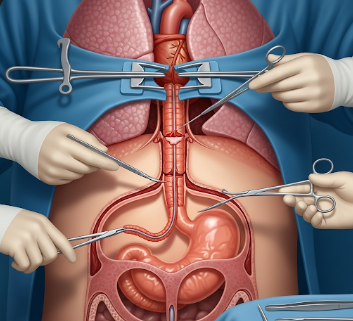
Overview Esophagectomy is a major surgical procedure that involves removing all or part of the esophagus to treat conditions such as esophageal cancer, severe dysplasia, or esophageal injury. The goal of the surgery is to remove diseased tissue, restore the continuity of the digestive tract, and improve long-term survival. In South Korea, esophagectomy is performed […]
Esophageal Dilation in Korea
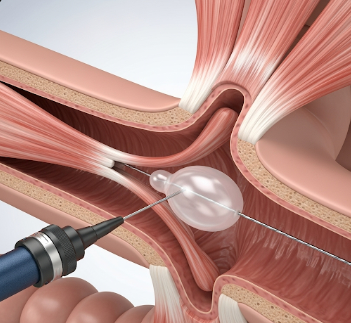
Overview Esophageal dilation is a medical procedure used to widen a narrowed (strictured) esophagus. This procedure helps relieve difficulty swallowing (dysphagia), improve nutrition, and restore normal esophageal function. It is commonly performed for patients with esophageal strictures, achalasia, or scarring from acid reflux or surgery. In South Korea, esophageal dilation is carried out in advanced […]