
Fistulotomy in Korea

Overview Fistulotomy is a surgical procedure used to treat anal fistulas, which are abnormal connections between the anal canal and the skin near the anus. The procedure involves opening the fistula tract to allow it to heal from the inside out, preventing infection, abscess formation, and chronic discomfort. In South Korea, fistulotomy is performed in […]
Fasciotomy in Korea
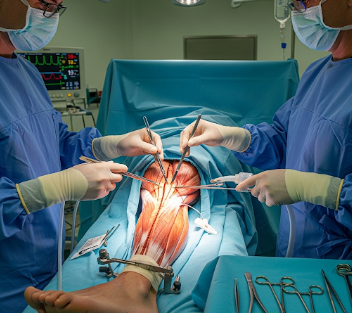
Overview Fasciotomy is a surgical procedure used to relieve pressure within a muscle compartment, often performed to treat compartment syndrome. Compartment syndrome occurs when pressure within the muscles rises to dangerous levels, leading to reduced blood flow and potential nerve or tissue damage. Fasciotomy restores circulation, prevents permanent injury, and preserves limb function. In South […]
Flexible sigmoidoscopy in Korea
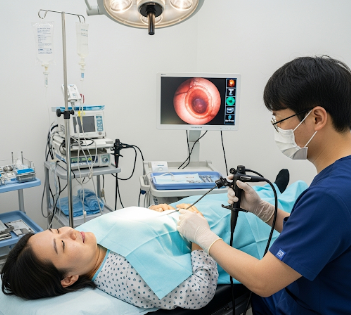
Overview Flexible sigmoidoscopy is a minimally invasive diagnostic procedure used to examine the rectum and lower part of the colon (sigmoid colon). Using a thin, flexible tube equipped with a light and camera (sigmoidoscope), physicians can detect polyps, inflammation, tumors, bleeding, or other abnormalities. In South Korea, flexible sigmoidoscopy is performed in advanced gastroenterology centers, […]
Flexible cystoscopy (male) in Korea
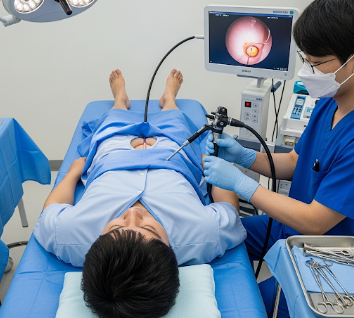
Overview Flexible cystoscopy is a minimally invasive diagnostic procedure used to examine the bladder and urethra in men. It involves the use of a thin, flexible tube equipped with a camera (cystoscope) to detect abnormalities such as bladder stones, tumors, strictures, or urinary tract infections. In South Korea, flexible cystoscopy is performed in advanced urology […]
Flexible cystoscopy (female) in Korea

Overview Flexible cystoscopy is a minimally invasive diagnostic procedure used to examine the bladder and urethra in women. It involves the use of a thin, flexible tube with a camera (cystoscope) to detect abnormalities such as bladder stones, tumors, infections, or structural issues. In South Korea, flexible cystoscopy is performed in advanced urology centers, utilizing […]
Fillings (dental) in Korea
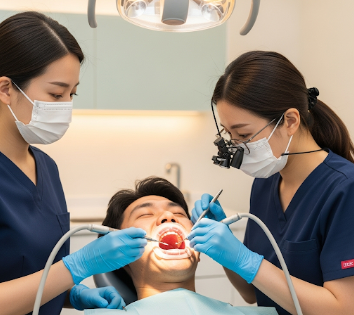
Overview Dental fillings are a common restorative dental procedure used to repair tooth damage caused by decay, cracks, or fractures. By filling cavities or damaged areas, the procedure restores tooth function, strength, and aesthetics, preventing further deterioration or infection. In South Korea, dental fillings are performed in advanced dental clinics using modern materials such as […]
Femoral hernia repair in Korea
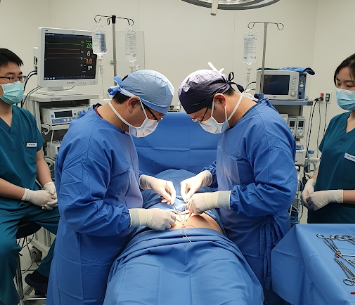
Overview A femoral hernia occurs when tissue, such as part of the intestine or fat, pushes through the femoral canal—a passage near the groin and upper thigh. Though less common than inguinal hernias, femoral hernias are more likely to become incarcerated or strangulated, making timely surgical repair essential. In South Korea, femoral hernia repair is […]
Female sterilisation in Korea
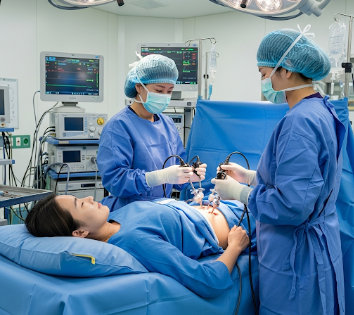
Overview Female sterilisation is a permanent contraception procedure that prevents pregnancy by blocking or sealing the fallopian tubes, preventing eggs from reaching the uterus for fertilization. It is considered a highly effective and long-term method of birth control for women who do not wish to have future pregnancies. In South Korea, female sterilisation is performed […]
Facet joint injection in Korea
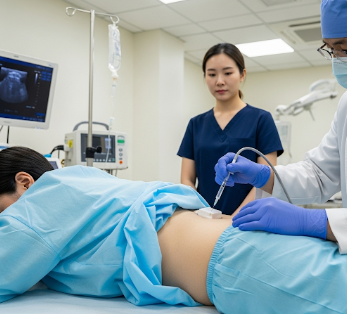
Overview A facet joint injection is a minimally invasive procedure used to relieve pain and inflammation in the spine, particularly in the cervical (neck), thoracic (mid-back), or lumbar (lower back) regions. Facet joints are the small stabilizing joints located between each vertebra, and degeneration, arthritis, or injury can lead to facet joint syndrome, causing localized […]
Facelift in Korea
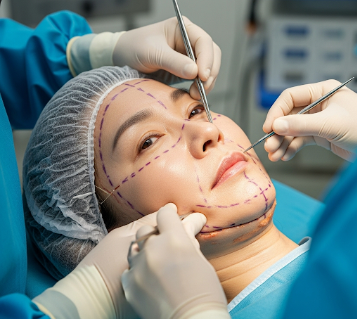
Overview A facelift, medically known as rhytidectomy, is a cosmetic surgical procedure designed to reduce visible signs of aging on the face and neck. It addresses sagging skin, deep wrinkles, jowls, and loss of facial contour, restoring a youthful and refreshed appearance. In South Korea, facelifts are performed in advanced cosmetic and plastic surgery centers, […]