
Reversal of Hartmann’s Procedure in Korea
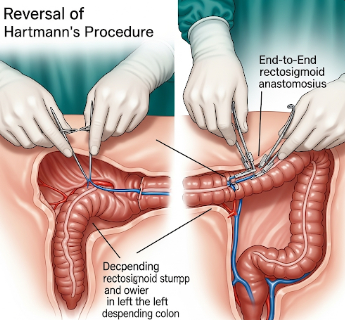
Overview Reversal of Hartmann’s Procedure is a surgical operation aimed at restoring normal bowel continuity after a previous Hartmann’s procedure, which typically involves removal of part of the colon with temporary colostomy. This reversal allows patients to resume normal bowel function and eliminate the need for a stoma. South Korea is known for highly skilled […]
Revision total shoulder replacement in Korea
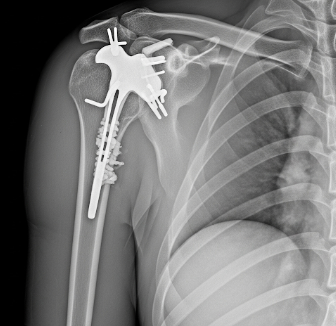
Overview Revision total shoulder replacement (RTSR) is a surgical procedure performed to replace or repair a previously implanted shoulder prosthesis that has failed. Failure may occur due to loosening, wear, infection, instability, or persistent pain. Revision shoulder replacement is more complex than primary replacement, requiring specialized surgical expertise and planning. South Korea is known for […]
Rhinoplasty in Korea
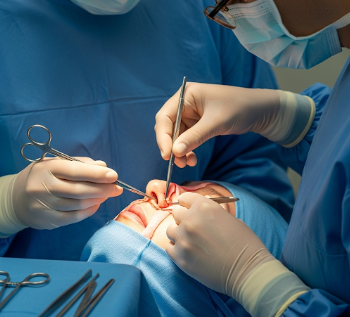
Overview Rhinoplasty, commonly known as a nose reshaping or cosmetic nose surgery, is a procedure designed to enhance the appearance, proportion, and function of the nose. It can be performed for aesthetic reasons, structural correction, or to improve breathing due to nasal deformities. South Korea is recognized globally for advanced plastic surgery techniques, highly skilled […]
Rigid cystoscopy (female) in Korea
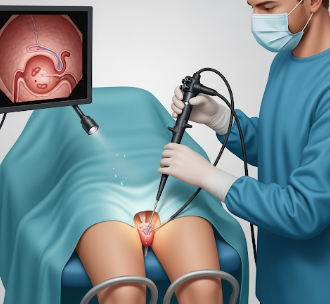
Overview Rigid cystoscopy (female) is a diagnostic and sometimes therapeutic procedure used to examine the female urethra and bladder. It involves using a rigid cystoscope—a thin, lighted tube with a camera—to detect abnormalities such as urinary tract infections, bladder tumors, hematuria (blood in urine), or urinary incontinence causes. South Korea offers advanced gynecologic and urologic […]
Rigid cystoscopy (male) in Korea
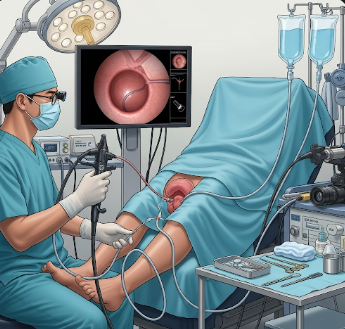
Overview Rigid cystoscopy (male) is a diagnostic and sometimes therapeutic procedure that allows urologists to examine the interior of the male urethra, bladder, and prostate region using a rigid cystoscope. This procedure is commonly used to investigate hematuria (blood in urine), recurrent urinary tract infections, urinary obstruction, or bladder tumors. South Korea is renowned for […]
Revision total knee replacement in Korea
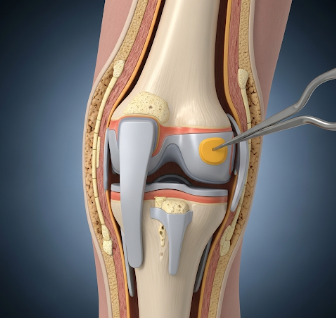
Overview Revision total knee replacement (RTKR) is a surgical procedure performed to replace or repair a previously implanted knee prosthesis that has failed due to wear, loosening, infection, or instability. Unlike primary knee replacement, revision surgery is more complex, requiring advanced planning and specialized implants. South Korea is known for expert orthopedic surgeons, advanced prosthetic […]
Radio-frequency endometrial ablation in Korea
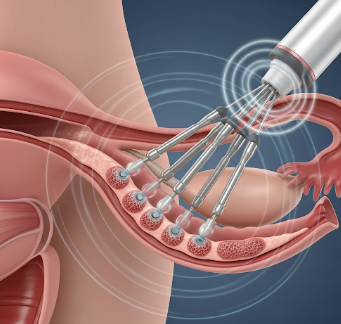
Overview Radio-frequency endometrial ablation (RFEA) is a minimally invasive procedure used to treat abnormal uterine bleeding by destroying the endometrial lining of the uterus using radio-frequency energy. This procedure is an effective alternative for women who do not respond to medication and wish to avoid hysterectomy. South Korea offers advanced gynecologic centers with cutting-edge RFEA […]
Rotationplasty in Korea
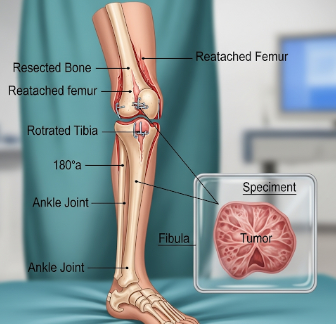
Overview Rotationplasty is a complex orthopedic surgical procedure primarily used for children and young adults with bone cancer (usually around the knee) or severe limb deficiencies. The surgery removes a diseased portion of the leg and reattaches the lower leg rotated 180 degrees, allowing the ankle to function as a knee joint when fitted with […]
Robotic Hernia Surgery in Korea
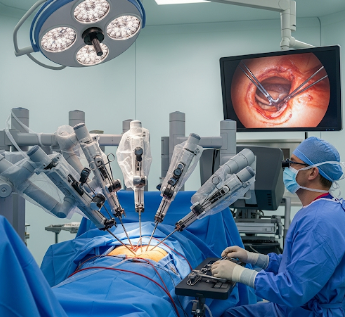
Overview Robotic hernia surgery is a minimally invasive technique that uses robotic-assisted systems to repair hernias. Hernias occur when internal organs or tissues protrude through a weakened area in the abdominal wall, commonly in the groin, abdomen, or incisions from previous surgeries. South Korea is renowned for advanced robotic surgical platforms, skilled minimally invasive surgeons, […]
Reverse Shoulder Replacement in Korea
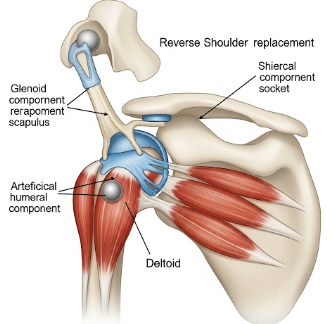
Overview Reverse shoulder replacement is a surgical procedure designed to restore shoulder function in patients with severe rotator cuff damage or arthritis. Unlike traditional shoulder replacement, this procedure reverses the ball-and-socket orientation, placing the ball on the shoulder blade (scapula) and the socket on the upper arm bone (humerus), improving leverage for the deltoid muscle […]